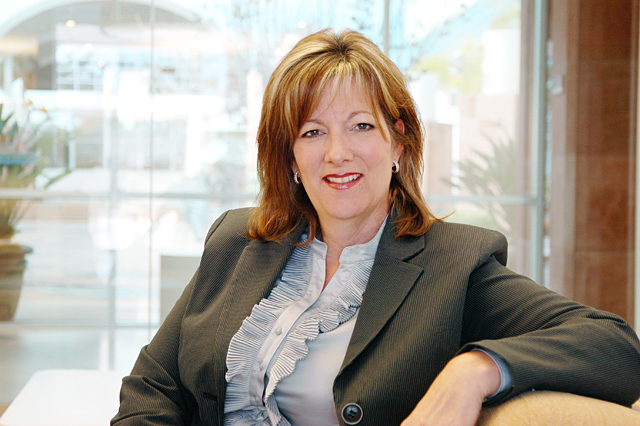
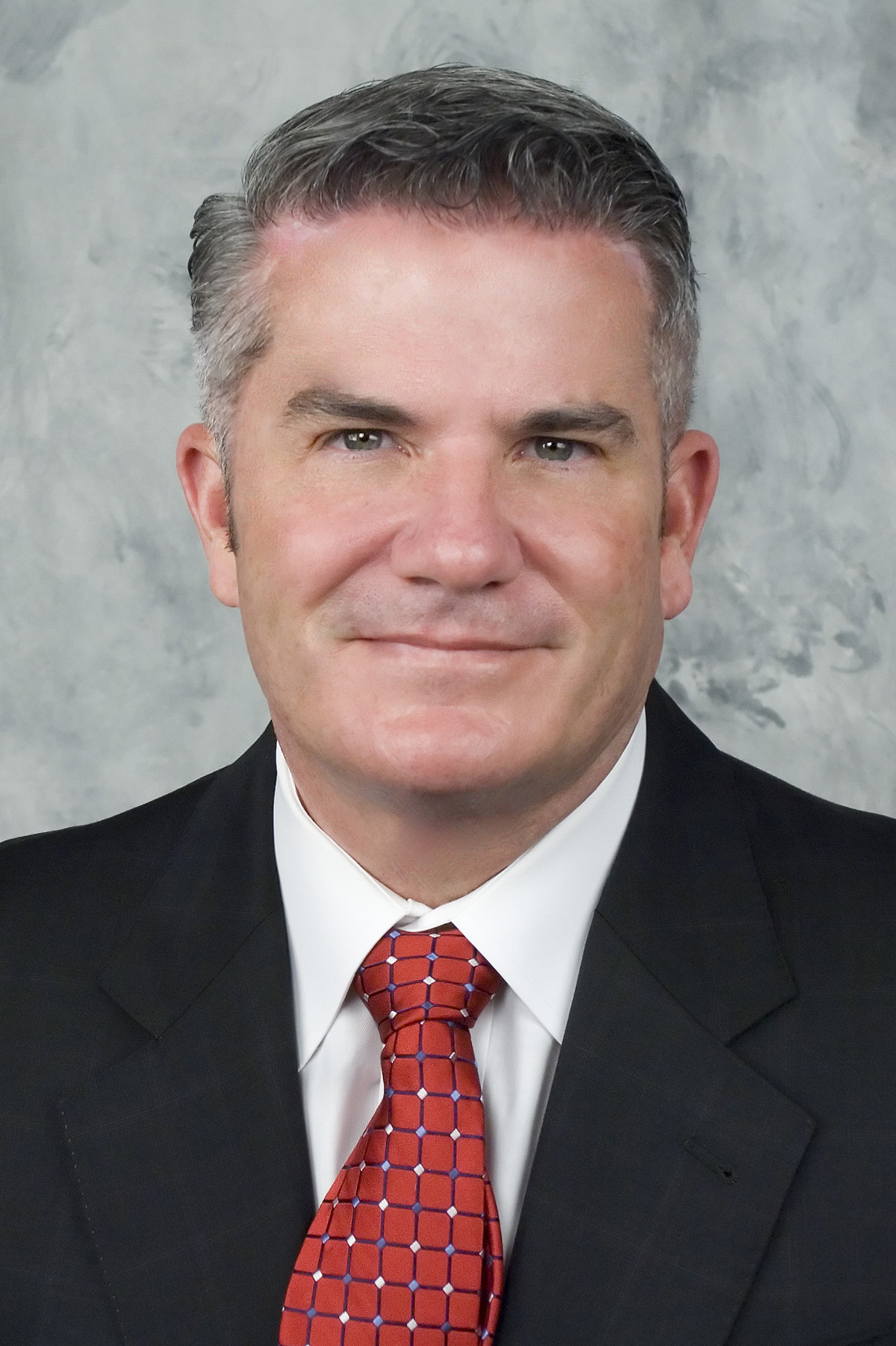
Guest post by Michele Hibbert-Iacobacci, vice president of information management and client services, Mitchell International.
Seamlessly integrate ICD-10? How is that possible? Realistically, yes, ICD-10 is new and the United States will start to utilize the new code set effective October 1, 2014.
Is ICD-10 really new, though? Not really, and frankly many entities are so ready they are looking forward to ICD-11, which has a “who knows when” implementation timeframe.
Seamless integration of anything takes preparation. The best part of ICD-10 is that covered entities have started and stopped implementations twice prior to the impending October 1, 2014 effective date. In fact, we almost had a third postponement with proposed federal legislation called the “Costly Codes Act,” which today has a two percent chance of making it to committee and zero percent chance of passing. This bill has more than 35 sponsors, so it’s amazing that we are seven months from implementation and this type of delay is still being contemplated.
It’s likely the sponsors are not aware of where ICD-10 has been and where it is going. The 2014 implementation date was postponed because of providers not being ready for the program. A third postponement would be devastating to the entities that have prepared for all three implementation dates.
Guest post by Andy Nieto, health IT strategist, DataMotion.
The HITECH Act’s goal of improving clinical outcomes for patients using technology through meaningful use is admirable and quite overdue. However, where the Office of the National Coordinator for Health Information Technology (ONC), and to a much greater extent, electronic health records (EHR), have missed the mark is in the deployment and execution.
The stated goal of meaningful use Stage 1 (MU1) was to deploy, integrate and use EHRs to gather and document “structured and coded” healthcare data. Rather than take ONC’s directives as a framework to improve provider care tools, they viewed it as a “minimum requirement” and missed the spirit of the initiative. EHRs remain cumbersome, challenging and inefficient.
Providers now spend more time clicking boxes and typing than they do speaking to their patients. To make matters worse, the data gathered is maintained in the EHR’s “unique” way, making exchange and interaction challenging and interfaces costly.
FairWarning, the inventor and KLAS category leader in patient privacy monitoring, announced the winners of its inaugural Privacy Excellence Awards at HIMSS14. The awards recognize healthcare organizations that are leading the way in protecting patient privacy.
According to Christian Merhy, FairWarning’s vice president of marketing, winners were selected by an independent panel of privacy experts from around the world, though FairWarning officials and staff oversaw the process to ensure its integrity.
The Privacy Excellence Awards showcase six healthcare organizations from around the world that remain are committed to delivering the best quality of care and “creating a culture of privacy and compliance through courage, innovation, and dedication,” according the news release on the announcement.
The overall achievement awardwinner – the organization with the highest score worldwide — was St . Dominic ’s from Jackson, Miss.
Visionary of the year went to UPMC in Pittsburgh, Penn. The “organization exemplifies how an imaginative and enterprising spirit and custom privacy program results in a strong culture of patient privacy,” according to FairWarning, the Clearwater, Fla.-based software firm.
Guest post by Brian O’Neill, president and CEO, Office Ally.
As healthcare reform rolls out nationwide, medical providers at all points across the care continuum are acknowledging the critical role that practice management systems play in population health management. Moving onto an electronic medical record is an important first step. Maximizing the digital capabilities these systems provide is a close second priority – and one that can yield big dividends in enhanced communications and better patient care.
One of the stars in the pantheon of indispensible functionality is real-time clinical messaging. Similar to texting but on a grander scale, real-time clinical messaging notifies medical providers before, during or after patient encounters of the recommended procedures that will improve patient outcomes. The two-way messaging can come directly from outside sources, such as third party administrators, IPAs, health plans or accountable care organizations, as well as other parties important to the care of patients. Studies have shown that such real-time digital communication significantly improves quality of care and allows for better outcomes in disease management patients. It can also result in fewer hospitalizations and a reduction in serious medical errors.
Clinical messaging can also facilitate direct communication between the medical provider’s office and a health plan’s case manager. This uninterrupted linkage improves the timeliness of the care provided, allowing case managers to contact the physician’s office prior to a member’s appointment to discuss procedures to be provided. Clinical messaging also enables the electronic two-way transfer of documents between the physician and the health plan, while allowing the case manager to communicate with the provider’s office while the patient is present in ways that maximize the efficacy and efficiency of that visit.
Most important of all clinical messaging helps to improve quality, which is the reason the healthcare exists in the first place. It can accurately capture all of the mandated HEDIS preventive care measures, demonstrating compliance with HEDIS and NCQA standards in a manner that can improve the “Star Ratings.” Both have become standard measures of quality throughout the healthcare industry and are increasingly becoming tools that employers and individuals use in selecting healthcare providers.
I’m a huge fan of kick-ass infographics and the folks at CDW Health continue to deliver. In the company’s most recent image, there’s a succinct and engaging snapshot of the past decade’s HIMSS keynote speakers. Certainly, there are some head scratches here, and looking at them in this way (speakers compiled in a single graphic) might make one wonder if the organization simply threw a bunch of darts at a wall with pictures of random — though successful — leaders hoping to see who they could get.
Dating back to 2003 when the CEO of GE presented the company’s perspective on the space — which looks nothing like the landscape of today — through Newt Gingrich, Howard Putnam, former CEO of Southwest Airlines (what?!?!?) to Bill Frist (seriously?), Dan Hesse, CEO of Sprint-Nextel (see how well that went) and the Clintons, as well as the founder of Twitter, there seems to be little foresight nor planning for which leaders might be able to provide the best perspective on the current and future trends of health IT.
If nothing else, let’s concede that Dennis Quaid was a celebrity job and nothing more, even given the problems he had with his twin children’s health shortly after they were born.
Moving beyond this, though, perhaps most interesting about this graphic is the simple fact that President Bush actually established the ONC, and created much advancement and fodder for HIMSS, and though Gingrich (a Bush ally) was a keynoter, the organization seems to have switched political affiliation, at least in the last two years.
So, what are your thoughts about the following? Have you heard each of these individuals speak? Who was your favorite? Least favorite?
Guest post by Ken Perez, vice president of healthcare policy, Omnicell.
Years ago, I worked in a business unit of a large technology company that was involved in mergers, acquisitions and partnerships. In the course of our work, even when some proposed deals would fall through and some partnerships would not come together, the strategic intent of the company remained clear to us. It was like a beacon that we kept pursuing no matter what.
With healthcare-related legislation, all too often we can lose sight of the strategic intent of CMS. We immerse ourselves in the debate over details, but often fail to step back and reflect on the “end game” that one can hang their hat on. What is CMS signaling to healthcare providers?
Currently, there is bipartisan and bicameral support for permanent repeal of the unpopular, annually overridden sustainable growth rate (SGR) provision, a formulaic approach intended to restrain the growth of Medicare spending on physician services. The SGR threatens to impose a 24.4 percent reduction to the Medicare physician fee schedule (PFS) effective April 1, 2014.
Lawmakers from the House Ways and Means, House Energy and Commerce, and Senate Finance committees have worked together to consolidate separate bills that their respective committees passed toward the end of 2013. The result is H.R. 4015, the SGR Repeal and Medicare Provider Payment Modernization Act of 2014, which was introduced by Rep. Michael C. Burgess, a Texas Republican and physician on Jan. 6, 2014.
HIMSS Analytics publishes the results of the 3rd Annual HIMSS Analytics Mobile Survey, examining the use of mobile devices in provider patient care improvement initiatives. For the first time this year, the survey questions were modified to closely align with the six areas of the mHIMSS Roadmap, a strategic framework for providers to implement mobile and wireless technologies.
The roadmap sections encompass key areas of consideration healthcare organizations should focus on when developing and implementing a mobile strategy within a healthcare organization: New Care Models, Technology, ROI/Payment, Legal & Policy, Standards & Interoperability and Privacy & Security.
The survey findings offer examples of the progress made and hurdles that providers face when integrating mobile technologies into their facilities to improve patient care. Respondents indicated that the top benefit to having mobile technologies in their facilities was increased access to patient information and the ability to view data from a remote location. Funding limitations topped the list for barriers. Many providers are also still early in their adoption and implementation of mobile technology. For example, 69 percent use a mobile device to view patient information while only a third (36 percent) use mobile technologies to collect data at the bedside.
“The mobile health market is one of the fastest growing areas in the health IT space. We recognize the growing importance of mobile technologies and its impact to transform the delivery of patient care,” said David Collins, senior director of mHIMSS. “The survey reflects mobile technology as a transformational tool, as demonstrated by nearly all of the respondents supplying mobile technology to clinicians. This is a great example of how providers are integrating mHealth into today’s healthcare workflows. There is still work to be done by formally embracing mobile implementation strategies and measuring ROI.”
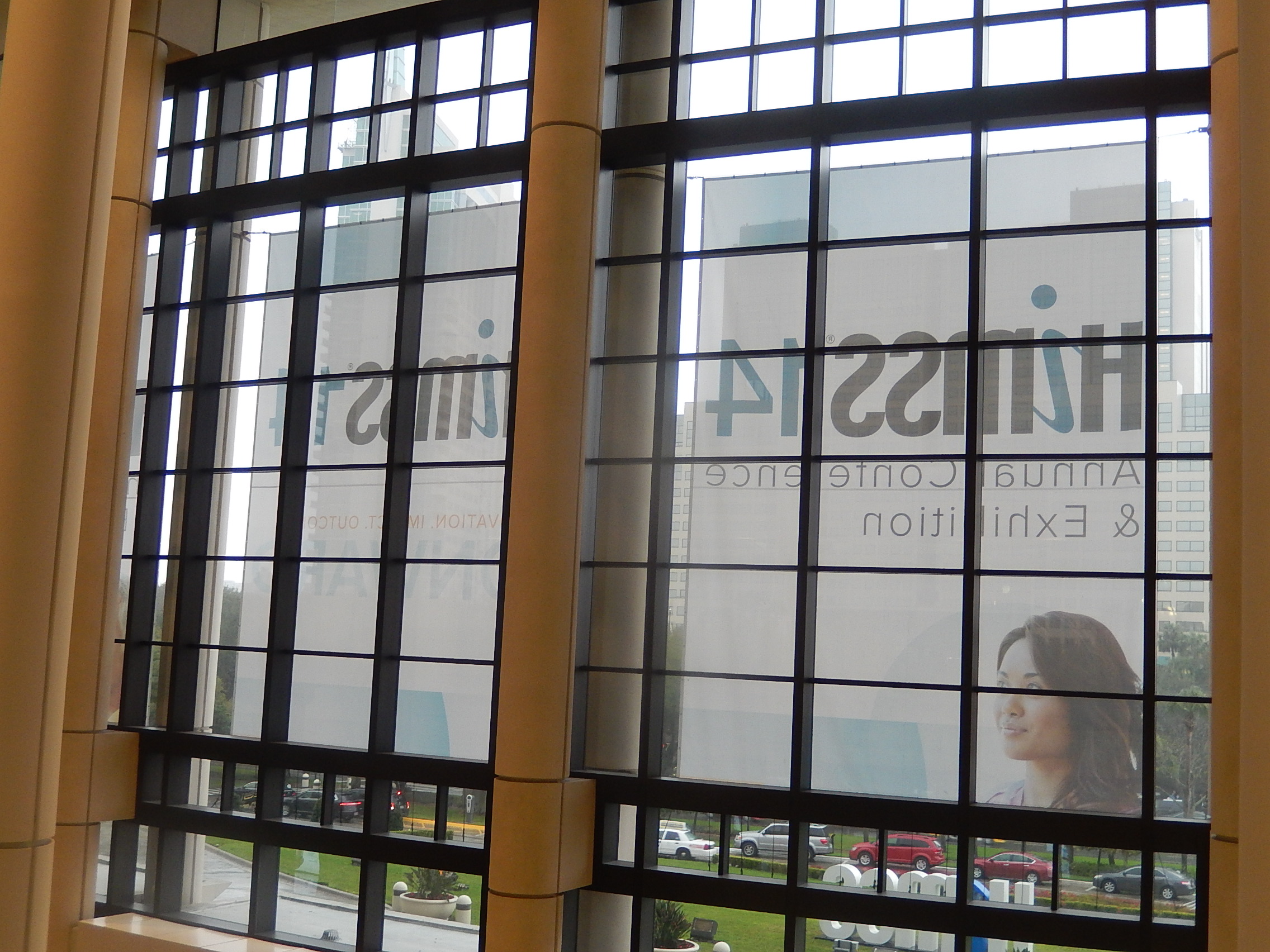
A day removed from the chaos (and wonderment and bliss) of HIMSS14 I thought I’d provide you with some of my thoughts about my experiences at the event. First, it was a wonderful, albeit tiresome experience. I was glad, and proud, to be back.
I attended the show twice before – in 2011 and 2012 as a vendor – and this third time as a reporter. In sum, I enjoyed it much more being there as a member of the press. It was more enriching and engaging and I was able to learn more about what’s actually going on in the space.
My only regret: Not being able to connect with colleagues of mine in the blogosphere. If truth should be told, I would have liked to have personally met as many as possible. The presence of several at the show was noticeable and lively. I crossed paths with several of them, but was not actually able to shake hands and say hello. I take full responsibility. Perhaps I’m a bit shy and introverted.
However, I met many other great people and had great conversations at the show. Omnicell, Verisk Health, Allscripts, ZirMed, MedSys Group and SAS stand out. I saw some great displays and some great IT. However, there were many times in which I was bored. One vendor, for example (with what can probably be described as having the biggest social media presence on Twitter while there) did not live up to the hype, and likely needs some ongoing communication training to help its officers learn how to stay on point and drive a story home; a totally missed opportunity from this reporter’s perspective.
Overall, I tend to agree with John Lynn. I saw very little that was truly exciting and innovative; nothing that really knocked my socks off.