In response to the rapid rise of community-based healthcare programs around the country, Graphium Health is leveraging its history in developing intelligent software for healthcare professionals to launch FieldMed, a dedicated community health software platform. The new software is the first of its kind to offer paramedics readily accessible, accurate and HIPAA-compliant data capture capabilities to better serve patients in community health programs.
Community health paramedicine is community-based healthcare that utilizes certified paramedics to facilitate non-emergent response resources and treatments in the home of patients. Created in an effort to close the gap between 911 emergency response and home healthcare, community health programs provide efficient and effective patient care, while reducing emergency calls, hospital readmissions, and overall costs to cities, fire departments, hospitals and patients. Programs are currently active in over 500 cities nationwide.
Through FieldMed’s intelligent software, community health programs are empowered with in-depth patient data and trends, such as vitals and labs, food and shelter needs, and environmental risks, allowing paramedics to know and understand their patients better than ever before and deliver focused care for the patient’s unique needs. With FieldMed’s reporting capabilities, community health programs can provide enhanced patient care, while reducing lost hours and resources for paramedics, city fire/EMS departments and hospitals.
“Having served as a community health paramedic, I’ve seen the need for this software first-hand, as it allows paramedics to track data points that previously didn’t exist in other EMR systems,” said Daniel Frey, co-founder and vice president of business development at FieldMed. “FieldMed is delivering a groundbreaking advancement for community health programs, now empowering paramedics to access and track patient data to provide the best possible care. Instead of an automatic trip to the hospital, paramedics can now better track the root of 911 calls, particularly for non-emergent needs, such as food, shelter, environmental risks, and more.”
FieldMed was created by a team of experienced paramedics alongside the founders of the healthcare software provider Graphium Health, who developed intelligent anesthesia technology that advances how practices operate by providing automated data capture, MACRA-compliant reporting, and billing integrations.
Daniel Dura
Daniel Dura, co-founder and CEO of FieldMed and Graphium Health, added: “Through our work with Graphium, we saw an immediate need in the healthcare industry for a software platform to streamline community health patient care. FieldMed is transforming community healthcare by creating technology that allows providers to capture rich data which, in turn, helps them to prioritize patient care. This leads to better patient outcomes, better use of city and hospital resources and overall creates better communities.”
Randy Barker, co-founder of FieldMed and Graphium Health, continued “In our work, we want to create real solutions that make a lasting difference for not only the healthcare providers, but ultimately for the patients. Community health programs are revolutionizing emergency responses for both paramedics and patients, and coupled with FieldMed’s innovative software, the opportunities to enhance patient care and reporting capabilities are endless.”
FieldMed is now available nationwide and offers a variety of pricing structures based on specific program needs. To learn more about FieldMed and the software’s capabilities, visit www.fieldmed.com.
The way we live has changed beyond all expectations in the last few decades. Thanks to amazing developments in modern medicine, people are living longer. Also, we are expected to work longer hours and commit more time to our professional lives, which can lead to strain on the family, and other difficulties too.
There was an age where, when a family included elderly persons or perhaps infirm, they would be looked after by other family members. Everybody put aside a bit of their time to help Grandma, for example, and nothing was thought of it. Today, things are not so easy. We grow up, have our own family and lead busy working lives, leaving very little time to give to our elderly or infirm family members.
The answer for many people is to take the decision to put grandma or grandpa in a residential care home. Yet, the home they live in may have been their home for most of their life, so why should they be forced to leave it? This is why the demand for professional private home help is booming, as more people are deciding that their elderly loved ones should live out their lives in the comfort of their homes. What does it entail? Here, we have a closer look at the factors you need to consider when making the decision to enlist private home help.
What is Required?
First, we should say that in most cases, finding a way for your elders to remain in their own home is the least stressful choice for them. It is an upheaval at any age to have to move from one place to another, but for elderly persons, going from home to a place full of strangers is not going to be conducive to good health. This is one reason why private home help services are so important these days.
What is important to consider is the level of help the individual will need. If, for example, they are simply of-old age and finding it hard to get about – or perhaps want a bit of company every now and again – then there are many carers who can attend once a day, for example, and simply make sure that all is well and have a chat with the patient.
If, on the other hand, the person concerned has medical requirements, then it will be that they need someone who fully understands their condition, and who can ensure they get the medication and treatment they need, when they need it. Professional care providers will be able to assess the needs of a patient and supply the care needed, via properly trained carers for whom the job is not just a job, but a passion and – in many cases – a calling.
Home Help and Other Services
While everyone would like to be able to dedicate time to doing their elderly loved one’s shopping, for example, or perhaps do their laundry, ironing and keep the house clean and tidy, busy lives and commitments to family and work mean that they may not be able to set aside the time to do so regularly enough.
The emergence of different cutting-edge medical devices is a positive sign that the medical technology landscape is in excellent state. For many years, medical technology is there to solve health problems and improve our daily lives. So, it’s great to hear that the advancements in technology today promise us much better health and wellness.
Now, let’s look at those gadgets that assist many of us in our medical conditions, keep us in good shape, and prevent us from getting diseases. Read on below.
iHealth Wireless Smart Gluco-Monitoring System
Are you looking for a portable, high-tech, FDA-approved glucometer? Well, this Wireless Smart Gluco-Monitoring System developed by iHealth Lab Inc. is for you. This gadget measures glucose levels in your blood and displays the results on your smartphone.
The device has a simple yet sophisticated design, and it’s compatible with Apple and Android smartphones. You just have to download the Smart-Gluco app to keep a record of your glucose levels and share it with your doctor.
The Gluco-Monitoring System also comes with ten lancets, ten testing strips, lancing device, and a carry bag.
Muse Brain Sensing Headband
The Muse Brain Sensing headband tracks the activity in your brain while you’re meditating and sends the data to your smartphone, tablet, or computer via Bluetooth. This monitoring is done thanks to the seven electroencephalographic (EEG) sensors built in the device.
This unique gadget provides real-time feedback on your brain activity, and it’s specially designed to relieve and manage stress. For instance, it provides you with information on how to calm your mind and gives you motivational rewards to encourage you to meditate.
PainPod
If you are experiencing a type of chronic pain in your life, you’ll probably give everything to solve your medical condition. Now, do you want to hear some good news? Well, there’s a popular gadget now that can get rid of the pain that’s tormenting you. I’m talking about the PainPod.
The PaidPod is a wearable device powered by a set of microcurrents and bioelectrical technology, which its creators say is the very first in the world. This technology knows how the peripheral nervous and body systems work. It helps in relieving pain caused by a medical condition and speedy recovery of muscle tissues after physical training.
Of course, there are no painkiller pills that you have to take. You simply have to attach the pods on the part of the body that’s in pain, and then you’ll have to wait for several minutes before the pain goes away. This device is FDA-approved.
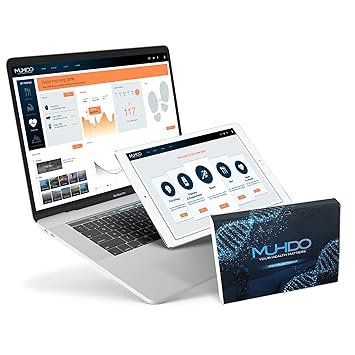
Muhdo DNA Profiler
Good health can be achieved by giving your body the essential food nutrients and doing some physical activities that your body needs. Most of the time, it can mean having a personalized nutrition plan and physical workouts.
Now, how do you know that your body requires this food and that workout if you don’t know about your genetic makeup yourself? Well, DNA profiling and analysis is what you need first.
Muhdo is a firm that specializes in genetic profiling and analysis to help you make the most of your genetics and provide you with the best health and fitness regimen that’s right for your body.
You just have to buy the Muhdo kit, which includes a tube that you have to spit on for DNA testing. The Muhdo medical team will analyze that sample, and then they will send you a highly personalized report of your DNA. There’s an app that you have to download to access your DNA information, as well as the nutrition and fitness plan designed for you.
Casio G-Shock GBA800-7A
If you want to have an iconic digital watch and a fitness device at the same time, you must have this Casio G-Shock GBA800-7A. This wristwatch makes your sports activities and physical workouts more fun with its 3-axis accelerometer that tracks your steps, countdown timer, and lap recorder.
You can also access a host of functions of the device via a smartphone app. Using the app, you can track and calculate your calorie levels and plan your physical activities. If you want to buy this watch and other Casio timepieces, you can visit thewatchcompany.com for that purpose.
Takeaway
As the saying goes, health is wealth. Nowadays, we are fortunate because we are living in an era when advancements in medical technology are booming. We have all the gadgets that help us in getting healthy, assist us in our medical conditions, and prevent us from getting sick. We must take advantage of technology to make ourselves healthy and free from diseases.
Unfortunately, nurse burnout has reached epidemic proportions. That’s not to illicit hopelessness, rather it’s a call to action.
Nurses comprise of the largest healthcare workforce in the United States. According to The American Nurses Association, by 2022 there will be more registered nurse jobs available than any other profession in the US. And with an aging population—those of the Baby Boomer generation are moving towards increased health care needs—now is the time to look for resources to prepare for the future.
For context, in 2011, 41 million Americans were over 65 and in 2019 that number rose to 71 million. The number of Americans over 80 years old reached 12.7 million in 2018 up from 11.2 million in 2010. Aptly called “the graying of America” this trend is one to take note of for healthcare administrators who may be seeing a few grays too, as they try to prepare their workforce for the future.
The good news is that we’re beginning to understand and reduce the stressors nurses face that can accelerate turnover. The industry is taking note and conducting nurse surveys to get to the heart of the matter.
Through our research at CareThrough, we’ve learned that nurses on the front lines face a myriad of forces hindering their ability to deliver quality care. From increased patient ratios, understaffing, overtime hours coupled with a shortage of nurses due to many leaving the profession, it’s no wonder health systems nationwide are concerned with nurse burnout, and how best to curtail the effects.
Solutions
One health system implemented routine check-ins with nurses, utilizing 60 and 90 day periods to ensure morale remains high, and to solicit feedback. This method, though incredibly important, still leaves nurses unsupported during the time between check-ins. In another hospital I visited, nurses were supported with nurse techs, although sometimes there was only one tech per unit. As you can imagine, several nurses relying on the support of only one tech performing clerical and clinical duties may limit the level of optimization health systems would like to gain.
Every day, similar scenarios of imbalanced support take place in hospitals and Emergency Departments across the country. Nurses, overburdened by administrative duties, lack the bandwidth to deliver the most effective patient care. Working long hours coupled with a feeling of overwhelm lead to lack of job satisfaction. Depression poses a health risk to nurses themselves.
At CareThrough, we’ve found that embedding dedicated, highly skilled support adds value simply and efficiently. For successful nurse workflows, Nurse Care Team Assistants, under the supervision of nurses, are able to mitigate the daily burdens of patient care. CTAs comfort round on patients, take vital signs, perform ancillary tasks, assist with hydration, blood draws and much more to ensure nurses work top-of-license.
By Dr. Jeremy Corbett, divisional chief health officer, Envolve Health.
Dr. Jeremy Corbett
Facing a severe shortage of primary care physicians — as many as 55,200 by 2032, according to the Association of American Medical Colleges — means we must humanize technology-driven approaches in healthcare. Why? To improve efficiencies and ensure patients are getting the care they need, where and when they need it.
In an ideal world, physicians would play a prominent role in designing digital patient experiences, but according to a recent survey by Kyruus, they often feel excluded. Thus, we end up with a model where technology “happens” to physicians, rather than physicians cocreating the places where technology can align with them to promote better care.
The implications for our physician shortage are significant: Studies show the number of physicians in a community correlates positively with health and, inversely, with mortality rates and health costs. Yet despite the important role primary care physicians play, medical school graduates are often choosing other paths. In 2019, the National Resident Matching Program offered a record number of primary care positions, but the number of those positions filled was the lowest ever recorded.
Salary plays into this trend, as does work-life balance and the lack of automation. Physicians today are working harder than ever, and technology is increasing their burden, not lightening it. They’re seeing more patients, clicking more boxes, filling out more forms, and interacting with an increasing number of electronic systems — not to get ahead but to simply stay afloat.
Ready or Not, Here Comes Technology
Increasing the number of primary care physicians may seem like the solution, but according to an AAMC report, the answer actually lies in making better use of technology.Through communication modalities and access to real-time data, physicians could spend more time with patients who need it while simultaneously providing less hands-on guidance (via virtual touchpoints) to those who don’t.
Additionally, an overall mindset shift involving healthcare is needed. First, physicians must shake their insecurities involving technology. Yes, it’s likely patients will one day receive prescriptions from a kiosk or a drone and adapt, ultimately, to AI-facilitated care. But will they collectively determine that they have no need for the physician-patient relationship? Not likely. Healthcare is a personal, intimate space, forever requiring a human touch. Accordingly, patients will always seek a curated experience led by a physician.
Patients, too, must shift their expectations and mindsets, particularly for garden-variety ailments and concerns. Just as humans now expect less personal interactions at the bank or supermarket, they must expect the same with healthcare. Consider the evolution of a filling station: There was a time when we would pull our car in to get our windows wiped, tank filled, and tire pressure checked — all for the price of gas. That’s no longer the case, and we’ve adapted.
The jury’s still out on the idea of texting our doctor or responding to a video message. However, as the world changes and our needs evolve, the way services are delivered across all industries is changing and must be adapted to best fit the needs of the end user.
A Vision for the Future of Healthcare
While possibilities for technology and healthcare are vast, making clinically relevant data available in real time is particularly valuable. Still, it requires access to the right biometric data as well as an elegant provider-facing interface that makes efficient, correct intervention second nature.
Machine learning will play an increasingly large role here. Consider diagnostics. A radiologist may read 100 chest X-rays a day, but a machine can process millions of images instantaneously, “learning” in real time how to distinguish a nodule from something less sinister. Could this potentially free up that same radiologist to manage more subtle (or acute) patient needs?
In other words, organizations would benefit from utilizing technology to maximize their most expensive and valuable commodity: their physicians. With technology, we can provide physicians with the exact data points (delivered at the right time) that will lead to significant long-term improvements to patient care.
QuickCred, the credentialing division of MedTrainer, Inc., announces its partnership with athenahealth, the leading provider of network-enabled services for electronic health records (EHR), medical billing and care coordination. The collaboration will enable medical practices to take advantage of QuickCred’s state-of-the-art compliance and credentialing system while optimizing revenue cycle management through athenahealth.
By merging the strengths of QuickCred and athenahealth, medical practices can solve three of their biggest challenges today: administrative strain, clinical efficiency and financial performance. QuickCred and athenahealth’s partnership seeks to help practices dedicate more time to patient care with steady cash flow and full revenue potential by supplying practical, streamlined ways of managing provider credentialing, payer enrollments and privileging.
Regarding the partnership, Steve Gallion, CEO, MedTrainer, the parent company of QuickCred, said, “Provider credentialing is essential to success. Proper credentialing management helps practices avoid the adverse effects of payment delays that quickly compound into serious issues. By joining QuickCred’s streamlined and intuitive compliance and credentialing platform to athenahealth’s revenue cycle management solutions, we are mutually diversifying our messages and bringing greater marketplace benefits to all our customers.”
Ted Gottis, senior vice president, QuickCred, said, “While both companies have very different software solutions, we share a common goal to bring the value-add of a trusted relationship to our mutual customers, helping them streamline and optimize their medical practices. QuickCred’s credentialing services pair perfectly with the need for athenahealth’s clients to deploy credentialing programs that are executed correctly and consistently in order to increase the quality of patient care, ensure proper revenue cycle management and defend against potential litigation.”
Parkland Center for Clinical Innovation (PCCI), which improves healthcare for vulnerable populations with advanced data science and clinical expertise, has developed a predictive model that in two years has helped prevent more than 2,000 adverse drug events (ADEs) for hospitalized patients, delivering a potential savings of more than $17 million by reducing re-admissions and eliminating ADEs.
The program, Patients at Risk for Adverse Drug Events (PARADE), is a partnership between PCCI and Parkland Health & Hospital System. During the two years of implementation, PARADE has demonstrated positive results combating ADEs, a problem that impacts more than 450,000 patients nationwide and increases the risk for re-admissions, lengthens the stay of patients by two to three days and adds almost $4 billion in extra hospital costs annually. The most common drug classes associated with ADEs include anticoagulants, diabetes medications, and opioids.
PARADE screens all adult patients at the point of hospitalization and flags high risk individuals who can benefit from pharmacist intervention. To score a patient’s level of risk, PARADE captures a patient’s medical history, including medications and disease complexity, prior healthcare utilization, demographics and social determinants of health. It then provides results in real-time, with seamless integration into a patient’s electronic health record.
During its two years of implementation at Parkland, the PARADE program has screened more than 87,000 patients, with 8,731 high-risk patients identified. Of the high-risk patients, 16 percent received timely pharmacy intervention and more than 2,000 ADEs were prevented. For high-risk patients receiving a consult, the 30-day re-admission rate was cut by 23.5 percent.
“Close collaboration with Parkland’s front-line pharmacy team from idea to implementation has been critical for the success of PARADE,” said Manjula Julka, MD, PCCI’s vice president, clinical innovation. “PARADE has proven to improve quality of care by helping the pharmacy team to identify and intervene with high risk patients within 24 to 48 hours of admission. Upwards of 50 percent of ADEs are detectable and preventable and PARADE gives us a potent tool to help hospitals stay ahead of a difficult problem that causes longer stays and drives significant costs for hospitals.”
Kristin Alvarez, PharmD, BCPS, Associate Director Clinical Advancement/Best Practices for Parkland and Brett Moran, MD, Chief Medical Informatics Officer for Parkland, led implementation of PARADE at Parkland. Due to the model’s high accuracy and real-time user-friendly information, Parkland has adopted PARADE as a primary tool for pharmacist daily workflow for consult identification with demonstrated impact on preventing potential ADEs.
PCCI’s strategic partner Pieces Technology, Inc. is supporting the commercial deployment of PARADE and other similar models.
The Wisconsin Health Information Organization (WHIO) and its technology partner, SymphonyCare, today announced the launch of WHIO 2.0, a next generation All Payer Claims Database (APCD) aimed at delivering informational assets with greater flexibility, analytical innovations and user-friendly applications to meet the emerging needs of their customers.
The WHIO serves provider systems, health plans, employers, state agencies, researchers and others looking for healthcare business intelligence to guide their strategic and operational decisions. The only statewide voluntary APCD in the nation, WHIO 2.0—launched in July—includes more than 4.2 million patients, 265 million claims and $108 billion in billed charges.
Dana Richardson
“Our clients have a variety of information needs so we know that there’s no ‘one-size-fits-all’ solution,” said Dana Richardson, CEO of WHIO. “We wanted a partner that aligns with our focus on improving the value of care in Wisconsin and can meet our members’ current and future needs.”
The search for the right technology partner to develop WHIO 2.0 took approximately two years. WHIO carried out extensive research with current customers, conducted a landscape assessment of other analytical systems and technologies and completed a Request for Proposal process, ultimately selecting SymphonyCare.
“WHIO’s work to improve the transparency in healthcare costs and quality is incredibly valuable,” said Ravi Kalla, founder and chairman of SymphonyCare. “We’re proud to support them and partner with them to create a cutting-edge APCD for the state of Wisconsin.”
Factors contributing to the partnership with SymphonyCare included the company’s ability to quickly ingest, integrate and analyze clinical and claims data from multiple sources, the speed at which they can return analytics for WHIO’s customers and SymphonyCare’s dedication to being a true partner in advancing technologies now and in the future.

 The way we live has changed beyond all expectations in the last few decades. Thanks to amazing developments in modern medicine, people are living longer. Also, we are expected to work longer hours and commit more time to our professional lives, which can lead to strain on the family, and other difficulties too.
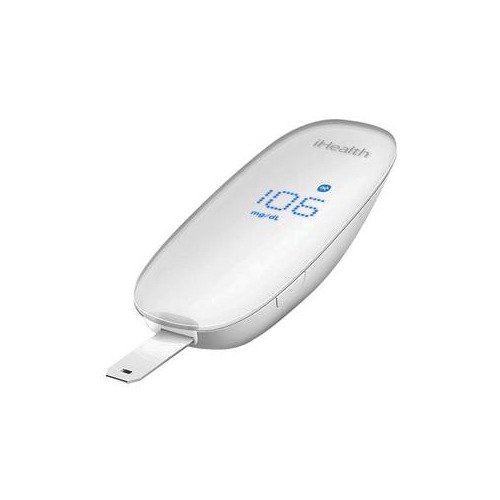 Are you looking for a portable, high-tech, FDA-approved glucometer? Well, this Wireless Smart Gluco-Monitoring System developed by iHealth Lab Inc. is for you. This gadget measures glucose levels in your blood and displays the results on your smartphone.
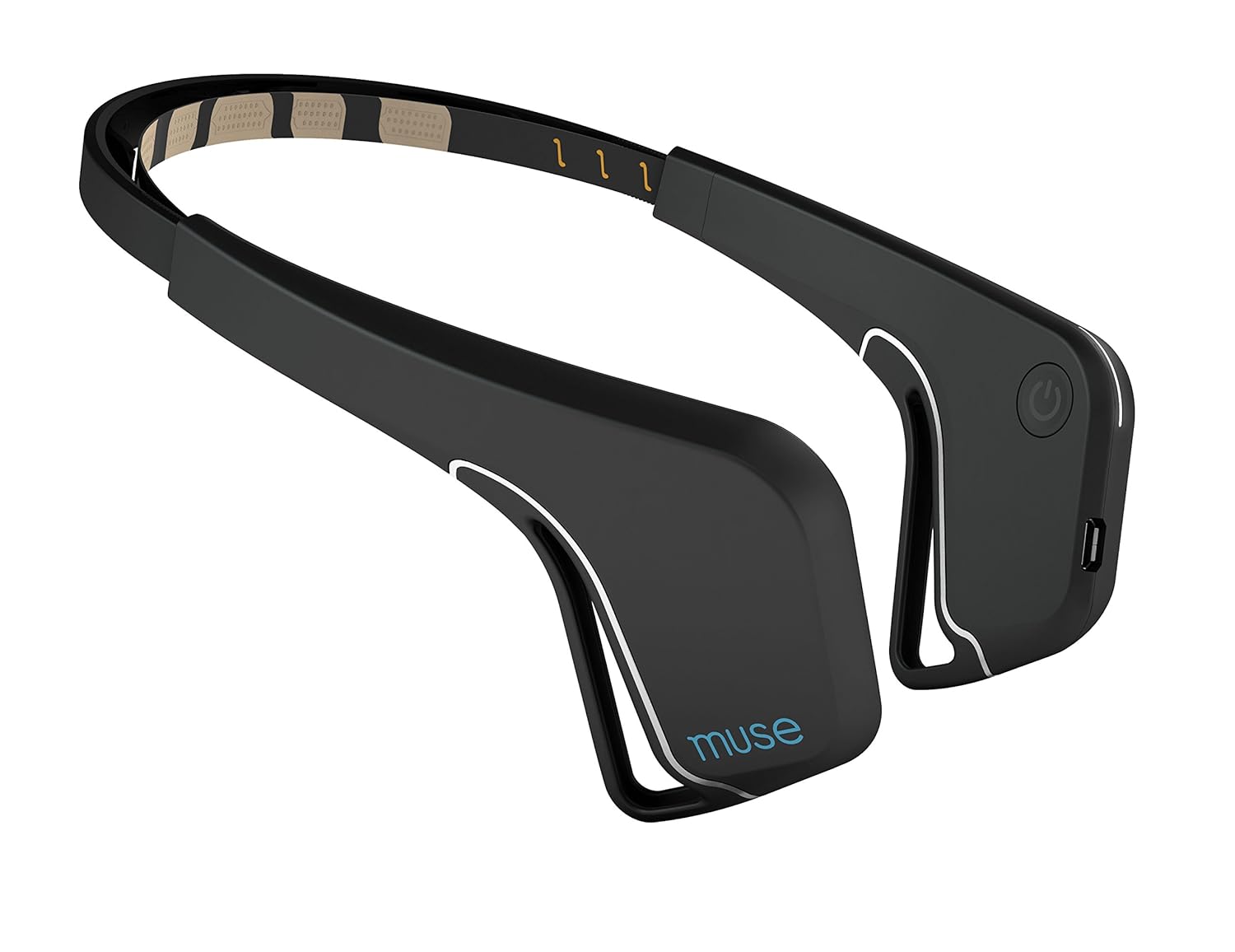 The Muse Brain Sensing headband tracks the activity in your brain while you’re meditating and sends the data to your smartphone, tablet, or computer via Bluetooth. This monitoring is done thanks to the seven electroencephalographic (EEG) sensors built in the device.
 If you are experiencing a type of chronic pain in your life, you’ll probably give everything to solve your medical condition. Now, do you want to hear some good news? Well, there’s a popular gadget now that can get rid of the pain that’s tormenting you. I’m talking about the PainPod.
 Good health can be achieved by giving your body the essential food nutrients and doing some physical activities that your body needs. Most of the time, it can mean having a personalized nutrition plan and physical workouts.
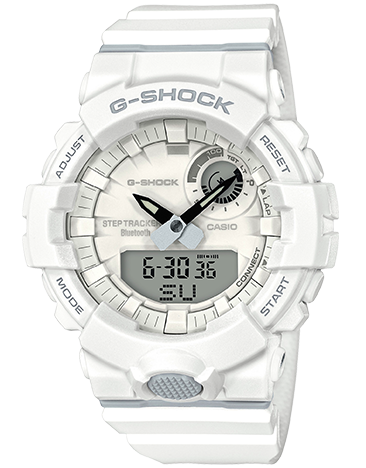 If you want to have an iconic digital watch and a fitness device at the same time, you must have this Casio G-Shock GBA800-7A. This wristwatch makes your sports activities and physical workouts more fun with its 3-axis accelerometer that tracks your steps, countdown timer, and lap recorder.