After constant studying, medical internships, and rotations, in the end, graduating with a medical degree is a proud moment. Even with the excitement, most of the students get overwhelmed on what to do next so they can land their first job. The searches for the ideal healthcare job is both exhilarating and overwhelming. To most students, however, who spend their years in school concentrating on studying and not the outside world; it is even more strenuous.
Modern people have to deal with a busy schedule every day. As a result, people find it challenging to take care of their oral health. Unfortunately, we tend to put a career on top of everything else. Once you have made the decision to focus on diet, workout, hydrating, and sleeping properly, you experience that such healthy lifestyle is like your second full-time job.
We have high technology to help us maintain general oral health. In this article, we have prepared the best applications to keep you motivated to stick to a fitness routine, diet program, and teeth routine. We hope that your dream to have a Hollywood smile will come true very soon, together with a healthy mind and body. It is essential to visit a dentist regularly, but you have to be sure that the clinic is safe and has a good reputation.
It is a personal choice if you want to seek professional care for your aging parents or grandparents. As a family member, it is ultimately your responsibility to understand all the pros and cons of daycare organizations. Only then you can make a decision about which one is the most suitable for you and also is the best in terms of everything. Adult daycare centers also called senior daycare organizations such as Skylark adult daycare.
They are excellent options if you are seeking a safe and secure place for a senior member of the family during the daytime. It is often the case that the other family members are busy at their workplaces throughout the day. As a result, the senior members of the family are deprived of the care that they require. As we all know, people need extra love and care when they are growing old, and it is our responsibility to ensure that they get that.
When we compare all other living facilities as well as in-house care, an adult daycare center is always a more reasonable and economical option for aging people. It is because they have not only special medical requirements but also several emotional and social needs. The people at an adult daycare center know precisely how to deal with them most delicately. This article is all that you must see if you are deciding to enroll any of your family members in a daycare center.
What is an adult daycare center?
Adult daycare centers are organizations or places that have professional people who are trained to deal with aging people, especially with special medical requirements. Here we are talking about older adults suffering from brain disorders such as Alzheimer’s or Dementia. Other professional people know how to take care of people suffering from several different physical problems.
Healthcare organizations around the globe are dealing with increased volumes of waste, and few are the hospitals and clinics that have actually implemented a system that excels, in terms of both environmental protection and in-house convenience.
As a stakeholder at a hospital, one of your responsibilities is to improve your waste management practices. If the way you are currently handling things on the premises isn’t exactly advantageous, perhaps you need to get organized and adopt a different strategy.
Considering the fact that hospital-generated waste often involves safety concerns, some of the waste being ether infectious or hazardous, following a few guidelines is recommended. What are the factors that you should acknowledge on the subject? How can you make things more efficient in the waste management department?
Here are some important details to look over and use in any healthcare environment:
Handling
Waste handling is one of the first tasks that come into play here, and an important one as well. The most relevant recommendation here is to increase safety awareness among staff members who are in charge of handling hospital waste. Injuries or contamination can happen if handlers don’t keep up with necessary safety precautions.
Your staff members should not only receive reminders on the matter, but should be put through period training, where they can learn about the risks associated with waste handling, and what procedures and techniques to use when dealing with different types of occupational accidents. Waste handling should always meet compliance regulations, so test your staff members before assigning responsibilities.
Identifying waste reduction opportunities
What many healthcare centers fail to do is trying to reduce their waste. Waste reduction opportunities exist in any hospital, these only need to be identified and pursued properly. Make it your priority to put together an action plan that allows you to find the best ways of reducing the amount of waste your organization produces.
An example of waste reduction possibility could be the following: Evaluate your supply ordering practices. This will prevent you from having to throw away perishable products because they’ve surpassed expiration date. You have multiple other solutions available, so assess the current situation the hospital finds itself in, and make possible adjustments.
Vital — AI-powered software in hospital emergency rooms — announces its inaugural development partnership with Emory Healthcare. As part of the strategic collaboration, Emory Healthcare becomes a lead research partner in developing and implementing Vital’s software to improve overall efficiency and satisfaction for patients and clinicians across multiple Emory emergency rooms. Vital was conceptualized and co-founded by Justin Schrager, assistant professor of emergency medicine and ER doctor; with award-winning technical CEO Aaron Patzer.
Vital’s software is the first partnership out of the Emory University Innovation Hub, designed to identify unmet patient needs and find innovative solutions to put the patient at the center of care delivery. Vital’s live track board and real-time predictions of patients are being developed in the Emergency Departments of Emory University Hospital, Emory Johns Creek Hospital, Emory University Hospital Midtown, and Emory Saint Joseph’s Hospital. The goal of this pilot program is to measurably reduce wait times and overall length of stay for patients, while increasing patient satisfaction.
“We are overjoyed to have Emory Healthcare as our primary development partner and pilot sites,” said Patzer. “We are impressed with the commitment Emory leadership has made towards technological innovation and tackling truly challenging problems in emergency medicine. Working closely with top emergency physicians and nurses is essential to producing software that meets the needs of clinicians.”
Vital uses artificial intelligence (AI) and natural language processing (NLP) to triage patients,, making it easier and faster for providers to coordinate care and prioritize patients with a fast, reliable, and incredibly user-friendly system.
UC Riverside’s Wet Lab Incubator has opened its doors to biotech entrepreneurs throughout the Inland Empire.
The incubator, a 3,000-square-foot space in the Multidisciplinary Research Building specially outfitted to house startups in the life sciences, agriculture, biotechnology, and medical technologies, is the first of its kind in the region. These innovators will no longer have to migrate to other parts of the state to find laboratory space and mentors to help commercialize their ideas.
Rodolfo Torres
“Things are going to change,” said Rodolfo Torres, vice chancellor for research and economic development, at a ribbon cutting ceremony Oct. 21. “We’re going to play a role in shaping how research and development is translated in our area. We’ll be inclusive of those that haven’t had opportunities in the past.”
Torres also said that the incubator is expected to create the kinds of high-skill and high-pay jobs that graduates usually seek in the coastal part of the state.
The new incubator can accommodate about 15 startup companies from UC Riverside and the Inland Empire. Twelve companies have already expressed interest. During the opening ceremony, Jay Goth, CEO and founder of Murrieta Genomics, signed a lease agreement to become the first tenant.
In addition to a panoply of state-of-the art laboratory equipment, residents will have access to UC Riverside equipment across campus, such as a nanofabrication cleanroom, proteomics, stem cell core and plant transformation through a service agreement. Residents will also have the opportunity to interact and collaborate with UCR researchers, faculty and students, attend seminars, access patent research services and entrepreneurial development workshops, and use UCR’s SBIR/STTR Resource Center, which guides applicants through the process of obtaining commercialization development grants from the federal government.
Mentoring and access to capital for incubator residents will be provided by UC Riverside Entrepreneurial Proof of Concept and Innovation Center Small Business Development Center, or EPIC SBDC, a UC Riverside-led program funded by the Small Business Administration and the state of California.
“This is the culmination of an effort started seven years ago when the Multidisciplinary Research Building was designed,” said Rosibel Ochoa, associate vice chancellor for technology partnerships. “It will be a vibrant entrepreneurial space in the middle of the UCR campus where innovators have a place to translate their ideas into companies to benefit the region.”
The wet lab incubator is the latest addition to a vigorous expansion of UC Riverside’s involvement in building an entrepreneurial ecosystem in the Inland Empire, and is a central asset in Riverside’s new Innovation District. The Office of Technology Partnerships has received more than $17 million in external funding, created the $10 million seed capital Highlander Venture Fund, EPIC, and helps manage the EXCITE technology accelerator in downtown Riverside. This fall, Blackstone LaunchPad powered by Techstars will introduce entrepreneurship training for students. To date, these programs have supported over 2,260 innovation teams, including 376 UCR students and faculty members through the National Science Foundation’s I-Corps program.
“We have the whole package, access to capital, specialized mentorship, and a place to grow” Ochoa said.
The incubator is funded by grants from the US Economic Development Administration, the state of California, and internal UC Riverside funds.
There is no denying that plastic surgeries have gained massive popularity over the past few years. In this digital world, almost everyone who has access to smartphones and the internet is on social media. Social media is different from the reality we all have to agree on this. What we see online is completely different from real life. Unfortunately, it has set the beauty standards for people to look a certain kind of way. This is one of the reasons why people consider to take plastic surgeries.
In addition to looking nice and like an Instagram model, there can be a lot of other reasons for people to undergo cosmetic plastic surgery from surgeons like Dr Saber. According to us, this is a great option for those people who lack confidence or those who are dealing with issues, and the solution is these procedures only. This article will take you through a few plastic surgery trends that have created a buzz everywhere. To learn about them, be sure to read this article till the end.
By Ramona Ramadas, Arizona State University graduate student — utilizing the resources provided by the HEALab, she launched New Trails Navigators.
Ramona Ramadas, a graduate student in the Edson College of Nursing and Health Innovation pitches her venture New Trails Navigators at ASU’s Demo Day on April 19, 2019. To date, she’s won more than $60,000 from multiple funding competitions to invest in her health care startup. Photo by Charlie Leight/ASU Now
Over the past decade, technology and its applications continue to impact and advance our everyday lives, from things like smartwatch wearables that track our daily activity and wake us up in the morning to 3-D printing of medical models and virtual reality innovations that have the capacity to accurately replicate an automated surgery environment.
Similarly, ASU Online has brought new technology and resources to students like myself pursuing health and health care-related degrees to encourage innovative approaches to coursework and career paths. One of the most impactful resources I’ve seen available to the student community is the Health Entrepreneurship Accelerator Lab (HEALab).
The accelerator, which provides networking, idea-generation support, pitch competitions and proposal prep assistance launched in September 2017 as a health innovation entrepreneurship lab for Arizona State University (ASU) students, faculty – both online and on campus, and the community to cultivate disruptive healthcare solutions. It is a collaborative effort with academic units and the Office of Entrepreneurship and Innovation with the goal of educating health-focused leaders to navigate the accelerating disruptions in healthcare and create new solutions to real-world problems.
As a recent Master of Healthcare Innovation (MHI) graduate, I have been able to leverage HEALab to kick start my peer health program, New Trails Navigators. The award-winning care transformation program I’ve created focuses on serving individuals who struggle to get the personalized care they need due to homelessness, incarceration, addiction or lack of insurance. The program connects at-risk individuals with peer health navigators who are uniquely qualified to re-direct them toward sustainable health and wellness.
The peer health navigators can relate in a way that other support service representatives can’t because they have been in an at-risk situation, themselves. This relatability allows the navigators to connect, build trust and positively impact the individual’s situation. Today, the program is supported by a learning management system that delivers our whole-person peer training. This training is unlike any other peer support program in place today, as an app-based platform allows peers and patients to interact in a variety of ways, ensuring that the patient is supported where they live, work, and play. Over time, artificial intelligence will become a part of the program delivery.
 After constant studying, medical internships, and rotations, in the end, graduating with a medical degree is a proud moment. Even with the excitement, most of the students get overwhelmed on what to do next so they can land their first job. The searches for the ideal healthcare job is both exhilarating and overwhelming. To most students, however, who spend their years in school concentrating on studying and not the outside world; it is even more strenuous.
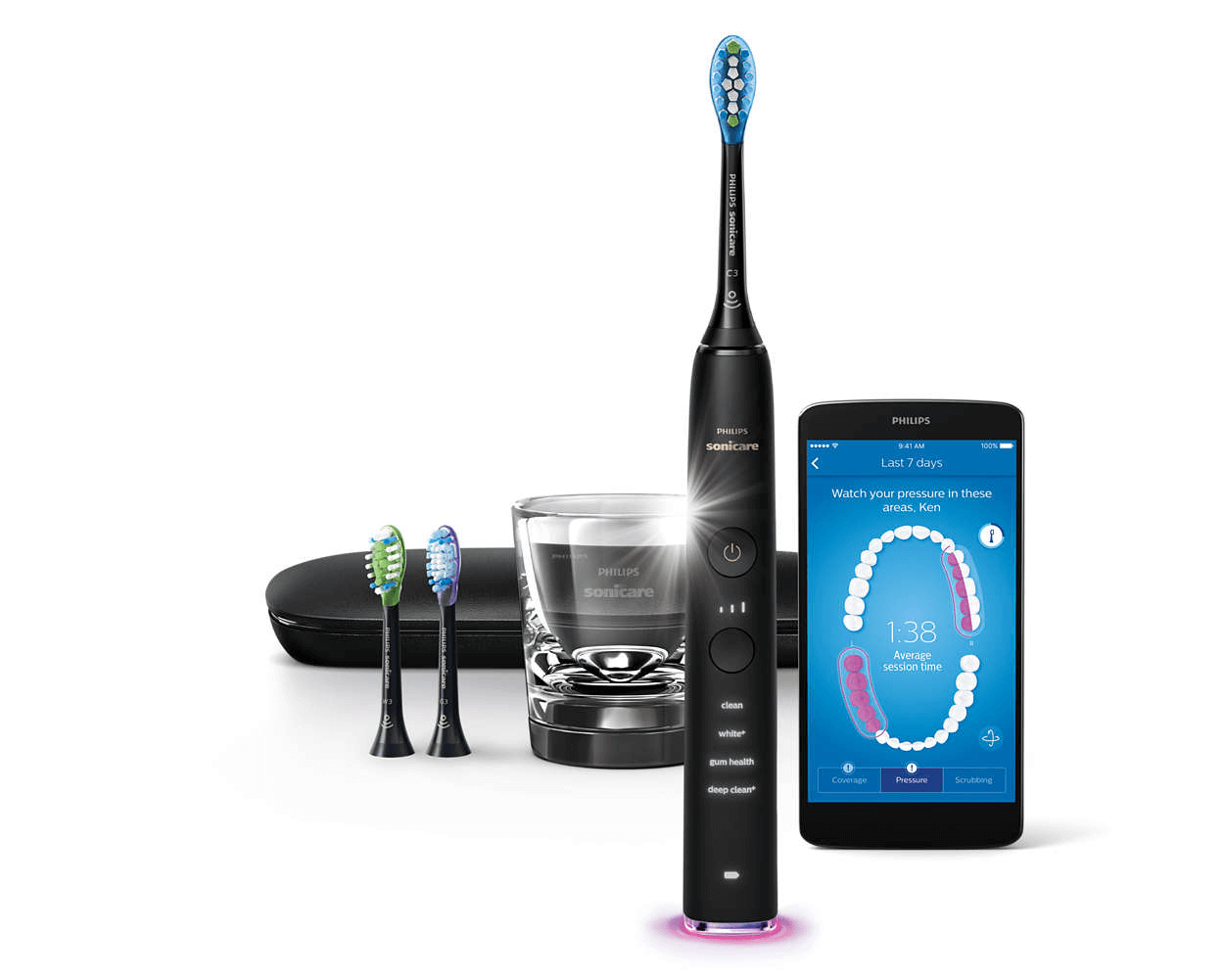 Modern people have to deal with a busy schedule every day. As a result, people find it challenging to take care of their oral health. Unfortunately, we tend to put a career on top of everything else. Once you have made the decision to focus on diet, workout, hydrating, and sleeping properly, you experience that such healthy lifestyle is like your second full-time job.
 It is a personal choice if you want to seek professional care for your aging parents or grandparents. As a family member, it is ultimately your responsibility to understand all the pros and cons of daycare organizations. Only then you can make a decision about which one is the most suitable for you and also is the best in terms of everything. Adult daycare centers also called senior daycare organizations such as
 Vital — AI-powered software in hospital emergency rooms — announces its inaugural development partnership with Emory Healthcare. As part of the strategic collaboration, Emory Healthcare becomes a lead research partner in developing and implementing Vital’s software to improve overall efficiency and satisfaction for patients and clinicians across multiple Emory emergency rooms. Vital was conceptualized and co-founded by Justin Schrager, assistant professor of emergency medicine and ER doctor; with award-winning technical CEO Aaron Patzer.