Home health agencies need to be able to access and share PHI while they are on-the-go – often while using their smartphones or tablets. It’s critical that these types of communication are both fast and secure. However, many home health agencies allow staff to use text messaging when sharing patient data with each other, colleagues, or the patients themselves.
Text isn’t always best despite its popularity for convenient communications. Agencies might be more at risk than they think if staff members are texting each other information about patients. And, free consumer group messaging apps utilize vulnerable platforms which are unable to address health care-specific needs in terms of security and compliance.
An agency places itself and its patients at risk when sending ePHI via unencrypted text messaging. Traditional texting may not meet security or compliance requirements set forth under HIPAA. The HIPAA Journal indicates that the fine for a single breach of HIPAA can be anything up to $50,000 per day the vulnerability responsible for the breach is not attended to. Organizations which text in violation of HIPAA can also face civil charges from the patients whose data has been exposed if the breach results in identity theft or other fraud.
Immediacy, privacy and trust are key when communicating PHI among agency clinicians and the broader care team (e.g., the referring physician, a specialist, a pharmacist, etc.). For example, the patient or the field nurse can snap a picture of a patient’s wound and then send it securely to the wound care specialist for his/her recommendation. A wound care specialist can make a decision remotely – saving drive time and expenses – and immediately provide assistance to the field nurse.
Decision-making is accelerated, helping patients receive timely care and assistance. Staff productivity is optimized, helping the agencies better leverage specialists across a larger number of cases. ER visits and re-admissions are reduced, helping enhance patient satisfaction and outcomes.
With secure messaging functionality, home health staff members can easily and securely communicate and collaborate with colleagues, their patients and family caregivers, and with other care team members such as the referring physician or another specialist. HIPAA-compliant secure messaging is critical to securing ePHI in staff-to-staff and staff-to-patient communications.
The trend in cybersecurity news is to focus on the latest buzz words like artificial intelligence, blockchain, ransomware, denials of service or HIPAA fines. Recent hacks are front page news. Trends also includes the increasing cybersecurity regulatory mandates such as state laws providing private consumer rights (class actions) against offending healthcare providers and their officers and directors. Another hot topic is the dearth of cybersecurity skills.
CISOs and other business leaders responsible for security of ePHI and business continuity are the intended audience and are being inundated with the tornado of cyber security trends—much of which is vendor driven. They’re also being pulled in many different directions internally with competing priorities. At a recent panel discussion of CISOs at Northern California HIMSS’ CXO Summit, one busy CISO described how he is repeatedly added to committees on all sorts of different subjects, some of which he had never heard of.
Whitepapers discussing the “top 10 priorities” or “top 10 trends” are commonplace. They’re usually vendor driven and focus largely on the most prevalent asset type — computers. That is, desktops, laptops and servers about perimeter security or internal threats from user behavior; including training users not to click on suspect emails to prevent phishing attacks.
Overlooking Second Most Prevalent Asset Type — Printers
But no one is talking about, or including in the top 10 lists, the second most prevalent asset type in all healthcare providers’ IT enterprises — their printers. For some reason, networked printers (any device that creates an image, electronic or otherwise, including multi-function, single-functions, faxes, scanners, label printers, etc.) are not perceived as the same risk as other computers, even though in the past few years there have been reported hacks of 50,000 to 150,000 networked printers. Also, a research house exposed that faxes can be easily exploited to hack printers and the corporate networks where they reside.
Why is this trend not hot on the minds of top security professionals? It could be because of the origins of today’s modern business printers as “dummy copiers” or the fact that they are often not procured or managed by the information technology department or visible to the information security department. Or, it could be because vulnerability management, intrusion detection and information security consulting vendors driving today’s messaging do not include printers in their solutions.
Little Known Facts about Print Fleets
Whatever the reason, here are few important facts that you should know about almost all printers in healthcare:
Printers are mission critical to patient care and part of providers’ tier one applications.
Printers are everywhere. There can be as many as one printer to one employee or between 1:6 and 1:10.
Printers are often accessible or visible in public areas and not in protected data centers or offices like many other computers.
They aren’t assigned users like desktops or laptops, or system administrators like servers in data centers.
Printers have built-in security settings, but they are not being set or maintained.
HIPAA requires that all printers be included in the comprehensive risk analysis and cyber hardened for security of ePHI regardless of make, model, age or type.
Printers are shipped and regularly deployed and maintained on networks with factory default settings including published factory default administrator passwords to enable bad actors to take control of them.
Even if security settings on printers are set at time of deployment, they get unknowingly reset back to factory defaults (turned off).
Why Act Now to Secure Printers?
The easiest answer: because it’s the law (HIPAA) and you’re exposing your company to serious and long-lasting financial risk if you are not acting now to secure (and keep secured) all the printers in your print fleet. Also, the fact that other regulations are being regularly enacted that go beyond HIPAA mandates exposing companies to even more severe penalties.
As the U.S. population ages and the percentage of citizens over 65 continues to increase, healthcare consumers are taking advantage of a whole new generation of medical technology. Sociologists and anthropologists have been writing about that fact that millions of oldsters are delaying retirement until well past their seventies. Indeed, it’s not unusual for senior citizens to embark on new careers, sell insurance policies to life settlement companies for cash and basically reposition themselves for a completely new way of living.
The new year will usher in several new medical technologies that will help everyone live longer, healthier, happier lives. Forty might be the new 30, and 50 the new 40, but once 2020 rolls around the catchphrase might become, “70 is the new 50.” Here’s a peek at what senior citizens, and everyone else, will be dealing with next year and beyond:
Wearables
So-called “wearable technology devices” have been around for a while. They include items like blood-pressure cuffs, blood-sugar monitors and even brain-wave devices. They all have one major concept in common: real-time data is relayed back to medical professionals who can see important changes in the patient’s vital signs and other essential anatomical parameters.
In 2018 and 2019, the use of wearables exploded when cost for many devices came way down. Now, as 2020 approaches, the majority of healthcare consumers are becoming aware of what wearables are and what they can do. For heart patients, a wearable monitor can mean the early detection of trouble. Anyone who has suffered a stroke is a prime candidate for wearable technology. In practical terms, wearables are almost like having a doctor by your side every minute of the day but without the cost.
Voice Activation
Voice-activated everything is one of the fastest-growing trends in several fields, medicine included. Heart monitors no longer need to be reset by hand but can simply be commanded to “reset at base level and reset start date.” But that’s just the tip of the iceberg for seniors, millions of whom reside in care facilities. The beauty of voice activated devices means that oldsters need not know how to interface with keyboards and tablet screens. A simple word or phrase is all that’s needed to turn on lights, open secure doors and inform nurses that everything is okay.
Telemedicine
What was once a futuristic dream in 1960s television shows is now full-blown reality. You no longer need to travel to the clinic in order to “see” a doctor. Especially in rural areas, where long-distance drives are a burden for ailing and elderly patients, telemedicine has caught on. A standard Internet connection and a decent camera are all that’s needed for a virtual visit to the doctor. At fist only popular with psychiatrists and psychologists, tele-visits are now commonplace for routine physical checkups. Experts say that medical teleconferencing and tele-checkups will become the norm rather than the exception in 2020, as more health organizations look for ways to eliminate costly in-person patient interactions. The estimated cost of a telemedicine checkup is about one-third the cost of an in-person visit.
Born from a federal grant awarded to the University of Utah in the 1970s, “locum tenens” provided staffing services to health clinics and facilities in rural, under-served geographies in the Western United States. The notion of “freelance physicians” grew as the program proved successful for decades to follow.
Today, more than 50,000 physicians freelance, many in a downshift towards retirement to create more work-life balance, reduce practice management stress, and/or contribute to more flexible medical care nationwide. The advancement of telehealth technologies has also accelerated the freelance physician trend.
This trend, coupled with a currently disjointed and antiquated system for freelance healthcare staffing, fueled the creation of Hyr Medical, poised to disrupt the current status quo.
By transforming the way physicians and hospitals connect through a direct and transparent online platform, Hyr Medical enables reduced hiring cycle time for hospitals and increased pay for physicians.
Ahead of significant growth trends, Hyr Medical announces key additions to the leadership team including:
Dr. Sunil Pandya, MD, MBA, MHI, CPHIMS, chief strategy officer:
Sunil has over 15 years of clinical experience in nearly every aspect of hospital medicine. He has held leadership roles at the highest levels including Chief Medical Officer, Chief Strategy Officer, and National Medical Director. Additionally, Sunil has successfully created and sold five companies to various national physician management corporations.
Spencer Liebmann, chief operating officer:
Spencer has over 25 years of executive leadership experience in the healthcare industry. He has held executive leadership roles as both chief operating officer and president of hospital medicine. Spencer is an experienced entrepreneur who has built and sold four companies, as well as successfully led and managed large sales and customer service teams.
According to Manoj Jhaveri, co-founder and CEO of Hyr Medical, “Sunil and Spencer are truly special individuals. Their ability to define a vision, build and lead great teams, and execute is second to none. I feel so fortunate that they have decided to join Hyr as full-time executives to complete our c-suite.”
According to Jhaveri, Hyr Medical is blazing a new trail in healthcare staffing and technology as their dual-sided marketplace continues to expand. In the last 90 days alone, Hyr has received signed agreements from over a dozen major healthcare systems and medical groups. By the end of 2019, Hyr also expects to have over one-thousand physicians signed-up on its platform.
Any healthcare facility that wants to keep its customers happy must have patient portals. It is easy to create these portals, but keeping the data safe from hackers can be tough. In the US, at least half of the healthcare consumers are using patient portals. About 80 percent of these patients have expressed their satisfaction with the level of ownership they have with their health data and the convenience of its accessibility.
Because of the security issues involved, the Affordable Care Act and meaningful use regulations have worked towards incentivizing the healthcare industry to make health records digital and more accessible to the patients. The portal allows patients to manage their personal details including medication lists and lab test results as well as financial information. This is enough data to set a patient up to hackers. Because the use of patient portal will keep rising, the risk will only get bigger, which means a better approach towards protecting this information needs to be realized.
How to Stay Compliant
The 1996 Health Insurance Portability and Accountability Act (HIPAA) highlighted the protection of the rights of patients. It compels health providers to keep customer data confidential. HIPAA also introduces a measure of safety and imposes precise compliance standards. Breaches carry hefty penalties. Here are a few tactics to help you keep customer data safe:
1. Foster Security Mindset in Your Organization
Protected health information (PHI) according to HIPAA means more than just electronic records. Whether you are speaking on the phone or working on a physical file, the principles apply. Regulatory compliance in healthcare organizations means that every health facility must store customer data securely. The most ideal tool is remote access software. This software does not restrict a user to approved databases and desktop logins.
2. Focus on the People and Not Just the Data
EHRs- electronic health records can only be kept private when only the people permitted to see them are allowed to access. That means giving access to involved parties such as the lab, doctor, and the insurance provider. Breaches and lapses occur when too many people are involved. This is why categorizing them by persona is essential. If, for instance, the patient is at a critical condition, different labs may be involved. It is, therefore, crucial to customize the profile for each user.
3. Give Patients Full Access to Their Records
Patients want to be sure their personal data is stored safely and securely. This is why healthcare providers need to allow patients to view their medical records. Some patients download and send the details to a third party, which is inherently insecure. Instead of giving the data to patients in different copies, it is crucial that the EHR be stored in one database. Because the idea is to have the data accessed remotely, a single EHR version can be shared by different devices.
At the AHIMA19: Health Data and Information Conference, leaders in health information management (HIM) shared innovations in healthcare and addressed issues affecting patient access to their health records including the privacy, accuracy and interoperability of that information.
The annual meeting for the American Health Information Management Association (AHIMA), AHIMA19, also highlighted inspiring stories of perseverance, empowerment and shared details of AHIMA’s global leadership.
Patient advocate Doug Lindsay shared his gripping story of transitioning from a wheelchair to walking again; Alexandra Mugge, deputy chief health informatics officer at the Centers for Medicare & Medicaid Services (CMS), outlined the benefits of interoperability and patient access; healthcare innovators pitched their ideas to a panel of experts for a $5,000 prize; and exhibitors and industry speakers shared their spectrum of knowledge with attendees gathered from across the globe.
Nearly three thousand HIM professionals gathered for the annual conference in September, held at Chicago’s historic McCormick Place, the largest convention center in North America.
Information and Inspiration
Speakers addressed clinical documentation, data ownership, patient access to their medical records, interoperability and cybersecurity. These presentations provided important insights and updates on technology to help HIM professionals continue leading the industry in improving healthcare and changing lives.
Mugge told the crowd that interoperability and greater access to medical data is integral to improving healthcare outcomes for payers, patients, and providers.
“We believe electronic data exchange is the future of healthcare, and interoperability is the foundation of value-based care,” Mugge said. “Patients should know that the way they interact with the healthcare industry is changing. Patients are no longer passive participants in their care, they now have the ability to be empowered consumers of the healthcare industry through access to data that puts them in the driver’s seat to make the best and most informed decision about their health.”
Mugge assured attendees that privacy and security safeguards would remain in place as HIM professionals help shape the landscape of interoperability.
Lindsay found his own way to improve his health, seemingly against all odds. He was bedridden and home-bound for 11 years because of a debilitating illness that forced him to drop out of college at 21 years old.
Although Lindsay’s body was limited, his mind was strong and he was determined to walk again, and to live again.
That determination led Lindsay to create a surgery for what he learned was bilateral adrenal medullary hyperplasia. He then assembled a team of experts to perform the surgery, which eventually led to his recovery.
By Vik Panda, managing director North America, Dreem.
Vik Panda
Rumors had it that Apple wanted to help you track your sleep. Industry watchers said it’s in part about playing catchup with Fitbit and others. Although, Apple has never worried about being second or third, just whether they can be the best.
But when Apple’s big announcement came earlier this month, there was no mention of a sleep tracker.
There is indeed a pressing need for sleep health, but could Apple really have met that need with another tracker? They’ve already acquired Beddit, which is a sensor that fits under your sheet, and Tueo Health, which monitors respiration in sleeping children.
Where would Apple go with a brain wave tracker, or EEG? What about high quality digital coaching? What about data that can propel science? Can they bring an integrated solution forward?
A trillion dollars is a big number, but it’s not a real number if no one tangibly feels it, or understands the pain from poor health they feel is because they are not getting the kind of sleep they need or enough of it.
Drug advertisements will focus on the impact that bad health has on spending time with family, but let’s face it, our jobs and our ability to make a living is where health problems can plunge us into panic. Employers also feel the impact of sleep health, and they’re realizing just how important it is.
Sleeping on the job
Before joining a media interview recently, I met Bella Hughes of Shaka Tea in the green room. Bella shared that the trend for companies interested in her caffeine-free tea say their teams are dropping the stereotype of a stimulant-driven workplace. Even in Silicon Valley and its legendary all-nighter coding marathons and pantries stocked with “energy” boosters, the reality is sinking in that focus and results are driven by healthy sleep and conquering sleep disorders.
The dental industry experiences new and exciting tech developments every year, and 2019 is seemingly no exception. The innovations are not only modernizing practices, but they are leading to improved oral care and smaller appointment times, which can each support the patient experience.
If you are a dental practitioner or want to learn more about the industry, here are five exciting dental tech trends in 2019 to watch out for.
Laser Dentistry
One trend to watch is laser dentistry, which is helping dentists to provide more advanced care. For example, many oral health professionals are using it to:
It is expected to become a popular choice for dentists, as it could potentially shorten healing time, eliminate the need for anesthesia and can sterilize the gums to reduce the likelihood of an infection.
Digital Automation Technology
More dental practices are turning to digital automation technology software to streamline and organize internal processes.
For example, you could use the technology to:
Text appointment confirmations to patients
Schedule social media posts
Create in-house submission forms
Pre-record voicemails for follow-up appointments
Dental practice automation also helps ensure consistent office practices for patient record keeping, insurance billing practices and HIPAA record handling compliance. These compliance areas can be a source for dental board investigations.
Artificial Intelligence
Artificial intelligence(AI) could one day transform the dental industry. For example, it has led to the invention of robo-dentists that are capable of performing minimally invasive dental procedures, such as teeth cleaning, filling cavities, extracting teeth and applying caps.


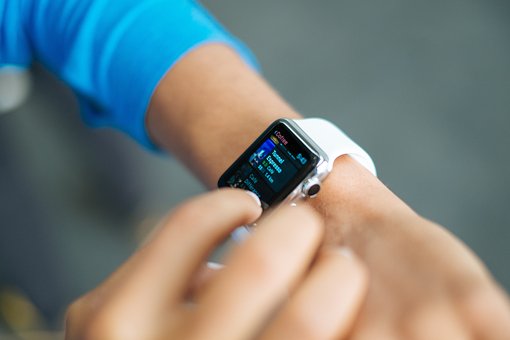 As the U.S. population ages and the percentage of citizens over 65 continues to increase, healthcare consumers are taking advantage of a whole new generation of medical technology. Sociologists and anthropologists have been writing about that fact that millions of oldsters are delaying retirement until well past their seventies. Indeed, it’s not unusual for senior citizens to embark on new careers, sell
  Born from a federal grant awarded to the University of Utah in the 1970s, “locum tenens” provided staffing services to health clinics and facilities in rural, under-served geographies in the Western United States. The notion of “freelance physicians” grew as the program proved successful for decades to follow.



 The dental industry experiences new and exciting tech developments every year, and 2019 is seemingly no exception. The innovations are not only modernizing practices, but they are leading to improved oral care and smaller appointment times, which can each support the patient experience.