Tag: home health

Interoperability Tech Strengthens Acute-to-Post-Acute Care

Michelle Barlow, RN

By Michelle Barlow, RN, BSN, Director of Regulatory and Clinical Excellence, Homecare Homebase.

The transition from hospital to home is one of the most delicate moments in a patient’s journey. Both hospitals and home-based care providers, share the same goal, ensuring continuity of care and achieving better outcomes, but too often, they’re held back by fragmented technology and disconnected systems. Instead of working together seamlessly, the lack of communication creates unnecessary roadblocks that slow down the process and add strain to already stretched clinicians.

When discharge summaries, medication lists, and physician orders don’t transfer smoothly between electronic health records (EHRs), home health and hospice agencies are left to piece together vital information. In some cases, they’re still receiving referrals via fax or email, which means manually entering data before care can even begin. These inefficiencies aren’t just frustrating, they can put patients at risk by causing delays and gaps in care.

Creating a truly connected care continuum means breaking down these barriers and building systems that communicate effortlessly, so patients move from the hospital to home without missing a beat. It’s about giving clinicians the tools they need to focus on what matters most, delivering safe, effective, and compassionate care.

A focus on interoperability is closing these gaps and allows providers to establish repeatable interoperability best practices that can be used across multiple partnerships. Connecting hospital systems with post acute EHRs allows, real-time data exchange, removes guesswork from the referral process and increases timely initiation of care. Instead of waiting for documents to be sent back and forth, clinicians get instant access to the information they need to move forward with care – ensuring that post-acute teams can start treatment right away and reduce the chances of miscommunication, delays, or avoidable hospital readmissions.

Repairing the Communication Breakdown Between Hospitals and Home Health

One of the toughest challenges in moving patients from hospital to home care is simply staying connected. Too often, hospital discharge teams and home health agencies are working in silos, using completely different systems that make it hard to share crucial information. Without direct integration, important details can slip through the cracks—discharge summaries might be incomplete, medication changes can go unnoticed, and home health providers may find themselves making countless phone calls just to piece together a patient’s story.

This outdated, fragmented approach creates challenges for every part of the care team:
– For hospitals, a lack of coordination means higher readmission rates. When home health providers don’t have the full picture, follow-up visits might not be scheduled at the right frequency or may miss essential care elements. These gaps put patients at risk for complications that could have been avoided.

For home health agencies, waiting for hospital records slows down the start of care. Instead of focusing on the patient, clinicians spend valuable time chasing down information and waiting for physician approvals, wasting time that could be better spent delivering care.

For patients, it’s frustrating and confusing. Gaps in communication can mean delays in getting the care they need and a higher risk of being readmitted to the hospital.

The good news is that it doesn’t have to be this way. By integrating hospital and post-acute systems, we can keep everyone on the same page. When referrals, physician orders, and discharge notes move seamlessly between providers, home health teams can hit the ground running with a complete care plan. Orders are processed electronically, physician notes are instantly accessible, and the entire care team has a clear, up-to-date view of the patient’s condition. With smooth transitions, everyone benefits, especially the patient.

Reducing Readmissions with a More Connected System

Preventing unnecessary hospital readmissions is one of the biggest priorities in healthcare, and interoperability plays a key role. Many readmissions happen because of poorly managed transitions, patients leave the hospital without clear follow-up plans, medication reconciliation is incomplete, or home health teams don’t receive critical updates in time.

When hospitals and post-acute providers share data in real time, they can work together to prevent these avoidable setbacks. A connected system helps:

– Speed up medication reconciliation, ensuring patients receive the correct prescriptions before transitioning to home care.
– Provide immediate access to hospital records, allowing home health clinicians to understand a patient’s full medical history from the start.
– Enable real-time updates, so hospitals can be notified if a patient’s condition declines, allowing for early intervention before a readmission is necessary.

Instead of simply reacting to problems as they arise, real-time data exchange allows care teams to be proactive. If a home health provider can monitor updates from a patient’s hospital stay, they can anticipate complications and adjust care plans before an issue escalates.

Eliminating Administrative Waste in Post-Acute Care

Home-based care providers already navigate a complex landscape of payer requirements, compliance regulations, and documentation standards. Adding hospital referrals to the mix, especially when they arrive in fragmented formats, only increases the burden on staff, and the risk of errors and miscommunication.

Moving to an integrated system helps post-acute providers:

– Maintain an up-to-date patient record, reducing inconsistencies across care settings.
– Reduce paper-based documentation, eliminating extra administrative steps and human error.
– Improve workflow efficiency, freeing up clinicians to focus on patient care instead of excessive paperwork.
– Retain an EHR system with workflow that is tailored to home-based care needs rather than acute care preferences.

Health information exchanges (HIEs) and Fast Healthcare Interoperability Resources (FHIR) standards for APIs are making it easier for hospitals, home health agencies, and insurers to work from the same set of patient data. This shift from fragmented communication to real-time data access is helping healthcare move toward a more connected approach to post-acute care.

What’s Next for Interoperability in Post-Acute Care?

As hospitals deepen their partnerships with home-based care providers, seamless data exchange will become a deciding factor in how well these collaborations succeed. The next steps for improving interoperability should focus on:

– Expanding integration with behavioral health and social determinants of health (SDOH) data to better address patient needs beyond medical treatment.
– Automating prior authorizations to speed up referrals and reduce bottlenecks in post-acute care.
– Leveraging AI and predictive analytics to help identify high-risk patients and enable earlier interventions.

The ability to share patient data without friction is no longer just a convenience—it’s essential for delivering quality care. As technology advances, providers who embrace interoperability will see the biggest improvements in efficiency, care coordination, and patient outcomes. When hospitals and home health agencies can act as a true extension of one another, patients get the uninterrupted care they need, clinicians spend less time on administrative tasks, and healthcare as a whole moves toward a more connected future.

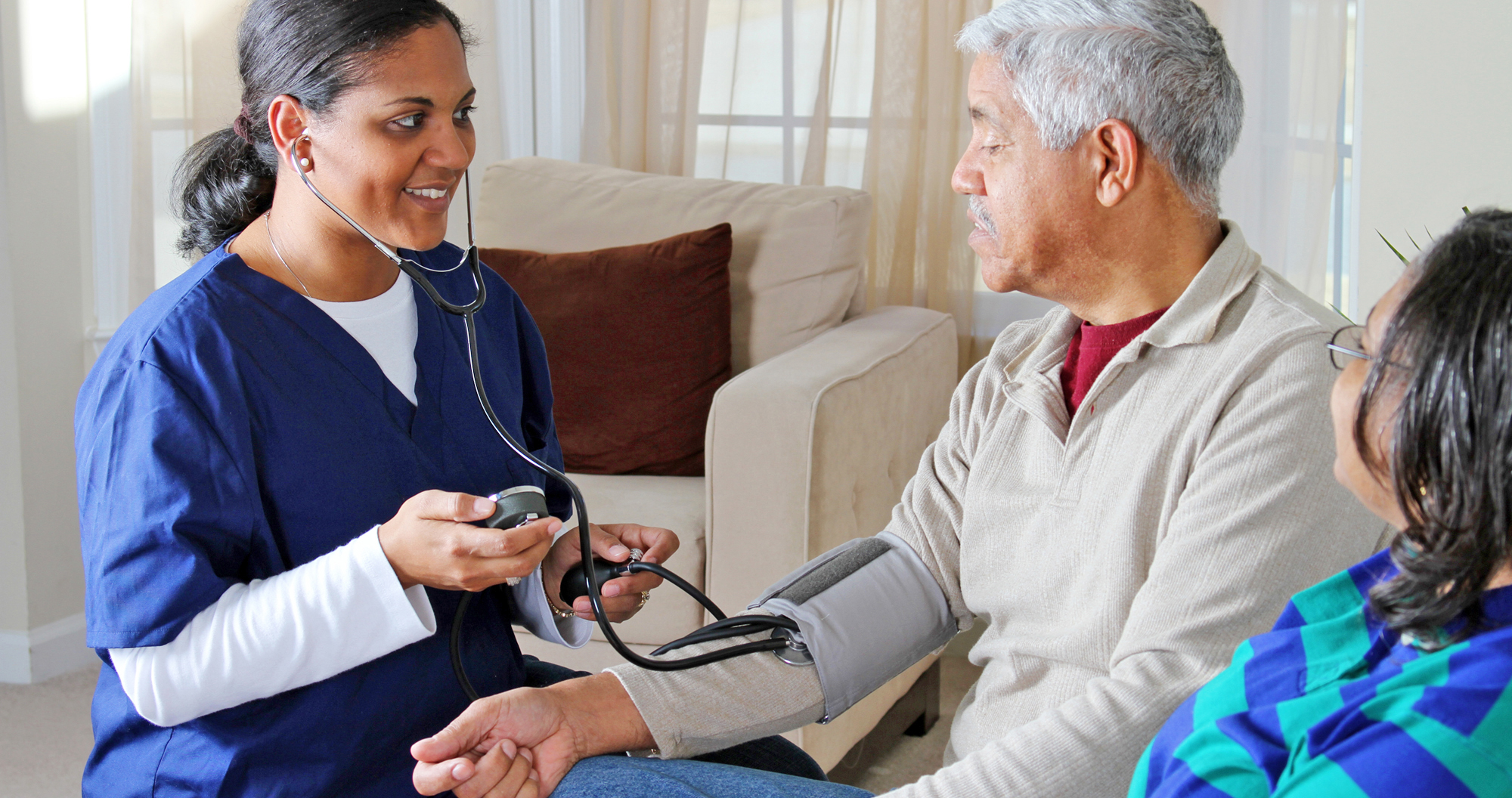
Essential Questions To Ask a Potential Home Healthcare Worker 

A home health care worker might be a good option if you need help with activities such as bathing, dressing, and toileting. They can help with light housekeeping, meal preparation, and providing transportation to medical appointments. This article will discuss essential questions to ask a home health care worker before signing a contract.

Questions to ask a home health care worker

Here are questions to ask a potential home health care worker before signing a contract.

What experience do you have? 

The experience of the home health care worker is vital to consider, especially if you’re looking for someone to care for an elderly family member. Ask about their experience working with patients with similar needs to your loved one. Their experience should also be considered when determining the type of tasks they’ll be able to handle.

Their experience should be able to give you some idea of whether or not they have the skills to care for your loved one. It’s also essential to ensure they’re comfortable with the type of care your loved one needs.

What is your availability? 

It’s essential to ensure that the home health care worker you’re considering is available when you need them. If you need someone to be available all hours a day, seven days a week, then you’ll need to make sure they can commit to that schedule. If you only need someone for a few hours a day, then their availability might not be as big of an issue. However, you’ll still want to make sure that they’re able to work around your schedule.

What are your rates? 

Before signing a contract with a home health care worker, ask about their rates. Their rates will vary depending on their experience and the services they offer. Make sure to get a breakdown of their rates to know what you’ll be responsible for paying.

Continue Reading

How Devices Are Evolving With The Increasing Mobility of Home Healthcare

By Matthew Rice, territory account manager (healthcare), Panasonic Connect.

Imagine this: you’re a home healthcare worker treating a patient when your laptop battery dies. You lose precious time waiting for the device to charge, pushing back your entire schedule for the day. When the laptop finally boots up again, the Wi-Fi connection is spotty which further hinders your productivity and potentially delays administering medication to patients. Further, in the event that your device encountered a drop or spill, it may render the device unusable and you may have to wait for a new device to be assigned to you by your IT department.

The U.S. Bureau of Labor Statistics predicts that home health jobs will grow 33 percent between 2020 to 2030. Technology must advance alongside this growth to keep pace with the market. Hospitals or healthcare providers work within tight budgetary restraints, but with the continuation of digital healthcare, the right tools are a critical requirement. Devices need to keep up with a home healthcare worker’s day. They need to be durable, reliable, and flexible, lasting for years in challenging environments while able to keep up with digital transformation demands.

Multi-Use Devices for Shifting Patient Needs

Devices that don’t have the ability to withstand drops, spills or temperature changes would only increase stress and frustration in an already challenging job. And, when working in healthcare, sanitation is key. Devices must be able to be sanitized from patient-to-patient, shift after shift. Therefore, a device that can be sanitized and withstand the harsh usage and environmental effects is imperative.

Durability ensures that the device can withstand the tough environments inside and outside of facilities, while modularity means a single device can do more, ultimately reducing operational cost and time needed to maintain multiple devices. When IT purchases new devices for home healthcare staff, technicians must consider how and where devices will be used. For example, a health network may purchase devices for all staff with authentication set-up through smartcard readers.

Later on, if they decide to change their user authentication to fingerprint, they can buy this component separately and have it installed instead of buying new devices for everyone. Personalization also boosts productivity and allows providers to see more patients. A home healthcare worker might program certain keys or buttons to create shortcuts to access commonly used tools.

For example, simply clicking a button to launch a computer-aided dispatch (CAD) can improve response times and speed up how long it takes to deliver patient care. A patient’s care team can use mobile devices to communicate frequently, share data and monitor vitals. This means that patients are treated faster, home healthcare workers can deliver more efficient care and hospitals can improve productivity.

Continue Reading

Discreetly Treating A Health Condition At Home

Dependent, Dementia, Woman, TalkAlthough we know that medical professionals are trustworthy and discreet, some health conditions of a personal nature mean that you just don’t want to talk to someone else face to face about it.

There can be a wide range of reasons for this to happen and they don’t all necessarily mean that you might be embarrassed about the condition itself. Sometimes it can be that the problem is something that you don’t feel warrants the time or expense involved in going to a medical facility because it is something that you know can be dealt with at home.

Today there are many ways to treat yourself and also to seek advice without having to go through a stressful personal examination. However, if you are unsure about a health problem or are concerned that it might be something serious, you must always do your best to seek out the correct medical intervention.

Discretion

The basic idea of ‘patient confidentiality’ means that your relationship with health professionals across the spectrum should be on the same basis as you would expect from a lawyer or attorney. So if the basis of discussions with a doctor or other medical expert means that discretion will always be taken for granted, what is there to be worried about?

For many, health problems can be an intensely personal thing which they don’t want to share with anyone else, and that can include doctors who might know them quite well. Thankfully, there are ways that you can treat a condition at home without too much fuss.

Digital doctors

As with so many other areas of day to day life, the internet has revolutionized healthcare. This means that engaging with doctors online is now common practice and is becoming increasingly popular from both sides of the equation.

For healthcare professionals themselves dealing with patients and clients online can lead to faster results, less reliance on time-consuming appointments and it also, of course, lowers the risks of infections for all concerned.

When it comes to patients who are worried about privacy or discretion, dealing with a doctor online can make things a lot easier and be much less embarrassing than having a physical examination.

Continue Reading

60% of Referral Sources Would Switch to a Home Health and Hospice Provider that Accepts Electronic Referrals: Survey

Brightree announces the results from its survey in post-acute care, revealing a significant gap between what referring providers and health systems want, and what home health and hospice providers are delivering, when it comes to interoperability.

The survey was conducted by Porter Research, and is the first to interview both home health and hospice providers (675 respondents) and their referral sources (440 respondents). It found that electronic referrals are high on the priority list:

This lack of automation and reliance on manual labor takes a toll on post-acute providers’ bottom lines. According to the survey findings, almost two-thirds of home health and hospice organizations require several full-time equivalents (FTEs) each month tracking down data and documents they feel could be obtained with better integration in place.

“Interoperability is no longer an option, but an essential aspect of any home health and hospice business,” said Nick Knowlton, Brightree vice president of strategic initiatives. “We were pleased to find users of our Brightree home health and hospice solution were among respondents reporting the highest ability to receive electronic referrals properly, but there’s still tremendous opportunity to continue bridging the gap.”

Many post-acute care providers are considering interoperability a business necessity. According to the survey:

Download the survey’s white paper and full results at http://info.brightree.com/SurveyPR.html

For more information on Brightree’s Home Health and Hospice EMR, now part of MatrixCare’s post-acute software suite, visit https://www.brightree.com/home-health-software/emr/

Home Care: The World’s Fastest Growing Industry?

The huge growth of the home care industry in recent years has led to a Catch 22 situation. On the one hand, people are living for longer than ever before and the number of home health aides is growing at a rate far higher than the average for all industries. On the other, the increase in life expectancy means that the number of elderly people requiring home care has never been higher, and even the increase in home care workers isn’t enough to cope with demand. Also, the tightening of licensing regulations will shrink the pool of available caregivers.

In this infographic from Be Independent Home Care, we can see that the home care industry is at a crossroads and faces into a potentially troublesome future. By 2024, the number of home health aides is projected to have grown by 38 percent from a decade previously. By 2020, the global homecare industry is expected to produce revenues of $300 billion, compared to $180 billion in 2014. All the while, the senior citizen population in the U.S. has doubled from just four years ago, with one in five Americans now of senior age.

Where does the home care industry go from here? Quite simply, it needs to keep adding to the number of qualified caregivers – just at an even faster rate than at present. That won’t be easy considering that the current rate is well above the overall average, but unless that rate is maintained, demand will exceed supply and then there really will be a home care crisis. Here, perhaps, is the epitome of being a victim of one’s success.

Continue Reading

Recent Updates Give Home Health Agencies the Star Treatment

By Jackie Birmingham, RN, MS, vice president, emeritus, of clinical leadership, Curaspan.

Jackie Birmingham
Jackie Birmingham

The Affordable Care Act calls for provider quality to be publicly reported and widely shared. As a result, the Centers for Medicare and Medicaid Services (CMS) extended star ratings to home health agencies (HHAs) on Home Health Compare (HHC) in 2015 to provide home health care beneficiaries with a summary quality measure in an accessible format.

By supporting consumer choice and encouraging provider quality improvement, public reporting will remain a pillar for improving healthcare quality. Currently, CMS reports 27 process, outcome and patient experience of care quality measures on the HHC website to equip patients and their families with the right tools to make choices about home healthcare.

Calculating the Two Types of Star Ratings

1) The Quality of Patient Care Star Rating – This rating probes nine specific evidence-based process and outcomes measures for each home health agency such as timely initiation of care, improvement in patients’ functional status and hospital readmissions.  The measures are calculated into a composite score and star rating, which are typically calculated on a quarterly basis and include:

2) Patient Survey Star Ratings –These ratings incorporate the patient experience of care measures based on Home Health Care Consumer Assessment of Healthcare Providers and Systems (HHCAHPS). These surveys reflect patients’ views on a variety of issues including whether the staff checked patients’ prescriptions for side-effects and properly explained dosing instructions.

Continue Reading

Avoiding Common Billing Errors Crucial During ICD-10 Transition

ICD10 pictureErrors in medical billing are a serious problem in healthcare today. By some estimates, as many as 80 percent of all submitted bills contain some sort of error, which leads to increased costs for Medicare, insurance carriers and patients, but can also lead to coverage denials, reduced reimbursements for providers, and in some cases, impacts on patient care.

While many organizations have placed a priority on avoiding billing errors, they still occur. And with the upcoming transition to ICD-10, home health and hospice providers are under even more pressure to get billing right the first time, every time. By most accounts, providers can expect to see a spike in rejected claims during the first few months of ICD-10 implementation; some estimate that as many as 10 percent of all claims will be rejected as coders get used to the new procedures. That’s bound to have an effect on payments and cash flow, so it’s vital that agencies work with their billing offices to identify common errors now, and look for ways to overcome them.

Preparing for the Transition

Ideally, home health agencies should be in the final stages of preparing for the launch of ICD-10 now. August 3 marked the beginning of the 60-day episode period that would end on October 1, when ICD-10 goes into effect. This means that agencies that are beginning care episodes now are required to submit RAPs in ICD-9, but code them in both ICD-9 and ICD-10, so that when the final bill is submitted to Medicare, it will be in the correct format. In many ways, this gives home health providers an advantage, since they will have two months’ worth of practice with the new codes on almost every chart, where most other providers are only practicing dual coding on some charts.

Because of the dual coding requirements, most home health providers have already switched to an ICD-10 compliant software solution. Now is the time to identify gaps in training, and adjust intake procedures, forms and other resources that affect how services are billed. Mitigating potential obstacles now will prevent denied claims later, and smooth the transition.

The Most Common Errors

While the new coding procedures will undoubtedly be a learning curve for many providers, you can reduce the overall number of denied or delayed claims by paying close attention to the most common errors and taking steps to avoid them. These include:

Continue Reading