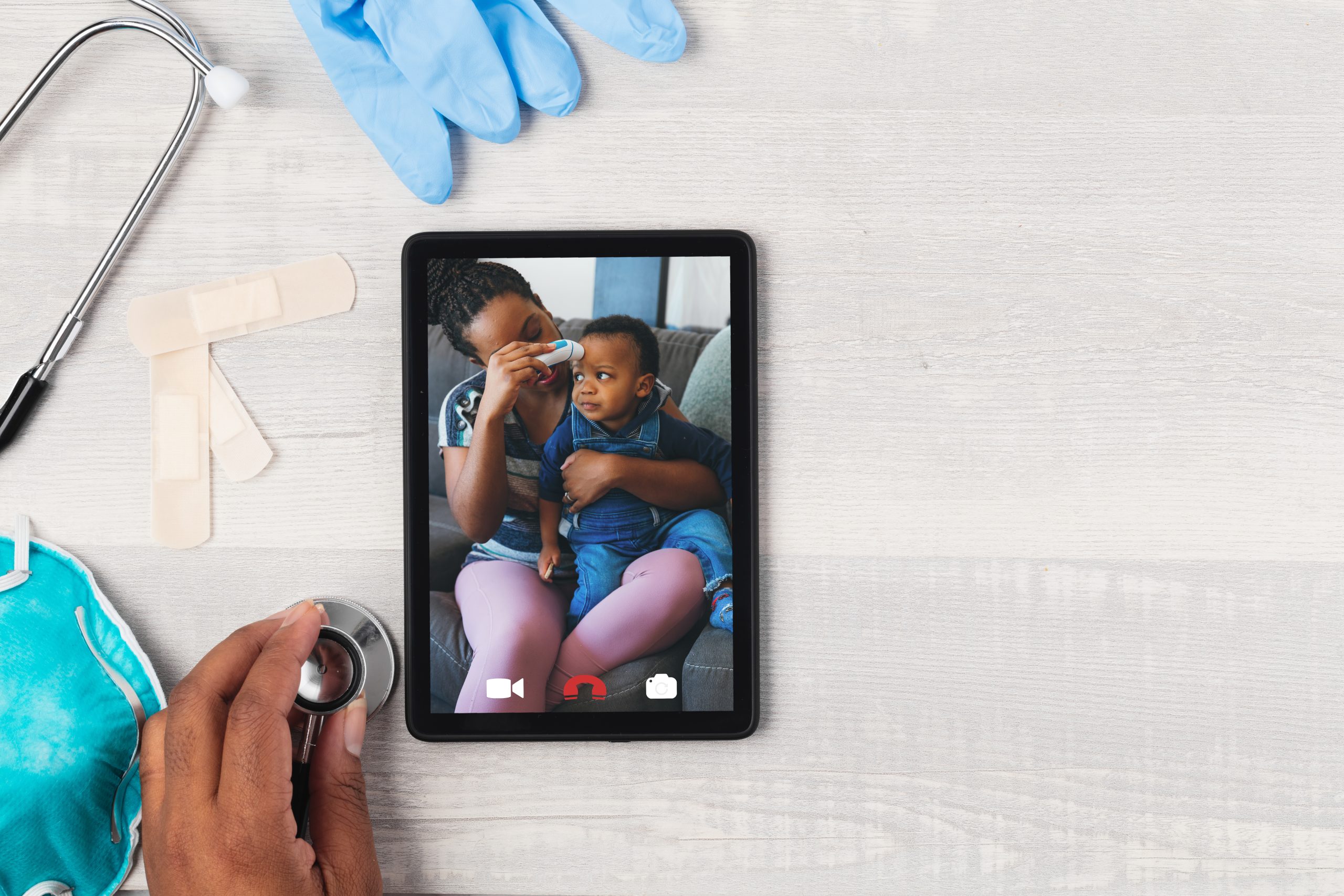
There are few occupations whose representatives are always in demand, one of which is a home health aide. Their duties include personal care (dressing, bathing, feeding), light housekeeping, socializing, monitoring medications taken, cooking, and other household duties. The work is specific but has many advantages:
– A high salary, especially for those who are willing to include cooking, cleaning, and transporting the ward to the hospital in the list of duties;
– The ability to choose the most convenient schedule;
– Receiving paid vacation and sick leave;
– the feeling of fulfilling a critical social mission;
– satisfying an internal need for companionship;
– no problems with finding job openings – the number of offers for aides is growing all the time in all states.
The following will detail how to become a home attendant and home health aide in the United States.
Step 1: Analyze Your Requirements
No matter how rosy the prospects are after graduating CPR training ma, the candidate first needs to make sure that they meet the current requirements, namely:
Has reached the age of 18.
Has a high school diploma.
Can drive and has their vehicle (preferably).
Does not smoke, abuse drugs, or alcoholic beverages.
Has no criminal record.
Sufficiently communicative, not prone to conflicts, tolerant, and resistant to stressful situations.
Has good physical shape. The presence of pathologies in the musculoskeletal system may be a barrier to successful work as a home health aide.
Willing to perform the same duties for extended periods.
Able to perceive and comply with the wishes of the employer.
Another responsibility of the aide is periodic verification of qualifications. So it is not enough to try once and successfully pass the test — in the future, you will have to prove your knowledge and skills again every 2 years.
Step 2: Choosing a training center
The leading search criteria are:
reputation and reviews;
the duration of the service provision;
the cost of training;
number and content of programs;
technical equipment;
qualifications and experience of teachers;
provision of additional services.
The best option would be a center that offers home health aide training and job placement. That way, you can get a job much faster, without having to look for an employer on your own. At the same time, if the conditions offered do not suit you, no one prevents you from finding another job, especially since there are a lot of requests. Just consider that the salary size is directly proportional to the workload at work. The assistant’s task is to strike a balance between the desired salary and the number of responsibilities he is entrusted with.
Step 3: Determining the best training program
Training center offerings can vary in:
duration;
the format of training;
number of topics;
the language of instruction;
the need to purchase additional literature.
Step 4: Attendance
The training period takes an average of 4-6 weeks and includes:
online or offline lectures;
taking tests;
Practical exercises on each topic;
practicing first aid and CPR skills on modern dummies;
counseling before taking the exam.
Step 5: Receiving your HHA certification
Once the program is complete, it’s time for the exam. It includes:
Providing written answers to 60-70 questions on thirteen topics;
evidence of practical skills (depending on the program, there may be three to six).
The certificate, which the NAHC issues after successfully passing the test, is a document that entitles you to work in a particular state as a home health aide. Without it, you can’t legally get a job. It is valid for two years and then renewed, and it is advisable to avoid gaps and take care of this issue beforehand.
Behavioral and mental health challenges are serious issues around the world. In fact, according to recent research conducted by the World Health Organization (WHO), almostone billion people live with some type of mental affliction or behavioral issues. What’s more disconcerting is that WHO reports that over 75% of people who struggle with mental disorders do not (or cannot) seek help for various reasons.
Enter the era of health technology. New, cutting edge tech is becoming more affordable and it is tremendously impacting mental health for the better. In truth,healthcare technology has revolutionized the mental health industry so that people can receive treatment they need to live full and healthy lives.
Moreover, technology is providing necessary resources and assistance for those who might not have access to treatment. Read on for some key innovations in health technologies that are positively impacting mental health for people all around the world.
Brain Research
Just a few years ago, tech was extremely limited when it came to diagnosing issues in the brain that might result in mental disorders. Conditions such as tumors, trauma, or substance abuse impact the brain to the extent that these triggers cause significant detriment to memory function, and can lead to mental maladies.
As such, biotech scientists have upped their game when it comes to pinpointing and diagnosing conditions such aswet brain, psychosis, bi-polar disorder, and other brain-centric issues that lead to mental instabilities. Technology plays a key role in examining brain function via high-tech brain scans such as MRIs and resonance imaging.
Without advancements in computer and biotech, mental healthcare professionals would lack the resources to assess potential brain damage or disorders that could be the root cause of many behavioral issues or mental illness.
Burnout among doctors and nurses was already a major problem facing healthcare organizations, even before the COVID pandemic – maybe even more for healthcare professionals working in the extremely demanding field of cardiology.
It’s not just a matter of long hours and overwhelming patient loads (although these factors certainly don’t help). Burnout is also the result of the pressure that healthcare providers put on themselves to be perfect when the stakes are literally a matter of life or death. According to one recent survey, 43 percent of cardiologists report feeling burnt out, compared to 39 percent in academic medicine and 32 percent of nurses.
Those numbers are alarmingly high, but healthcare organizations often lack good options for addressing the problem. The COVID-19 pandemic stretched already thin healthcare staff nearly to their breaking point, and the ensuing “Great Resignation” has made it difficult for clinics and hospitals to recruit and retain new talent. Even if a healthcare organization is able to find prospects, budget limitations often prevent them from expanding their staff enough to meaningfully reduce burnout.
Technology (in particular, artificial intelligence) may become a viable solution for many healthcare organizations. Here are four ways that AI can prevent and reduce burnout for clinicians.
By James Talcott, MD, SM, senior medical director, Oncology for Eviti, NantHealth.
A recent study from the Journal of the American Medical Association reported that while the U.S. spends nearly two times more per capita on cancer treatments, related mortality rates were only nominally lower. The analysis was a cross-sectional review of 22 high-income countries assessing the correlation between cancer treatment expenditures and 2020-associated fatalities.
In fact, nine of those listed—countries that invested significantly less in cancer care—have lower mortality rates. This study proposes an interesting new perspective: increased spending does not guarantee better results.
So how, then, can we optimize care? As new cancer treatments are constantly emerging, it can become overwhelming for providers to sift through data and treatment options to find the most appropriate—and cost-effective—plan for patients. Oftentimes, patients see quicker and more efficacious results when directed to the right treatment plan early on. This is where early intervention and treatment-validation technology becomes a key factor in optimized cancer care.
Improved Visibility and Patient Empowerment
Treatment-validation technology connects payers and providers, offering access to an advanced research library platform supplying tools and data analytics for the delivery of high-quality care. Clinicians can view thousands of proven treatment regimens, federally registered clinical trials, expected treatment outcomes, and predicted costs, all during the process of curating the best plan for their patients.
The ultimate goal in cancer care is singling out the most efficient and direct treatment plan—bypassing lengthy (and often costly) trial and error methods. In addition, when the patient is empowered with options and stated preferences, based on provider information, they help gain an understanding of the benefits as well as potential side effects of available treatments. This builds and promotes important conversations between them and their physician about their treatment course ahead.
When you see a doctor, for any reason, it can often feel like you’re in and out with little care to speak of. And seeing as modern healthcare professionals are rushed off their feet, that’s no surprise! But more and more doctors and nurses are taking a stand here; they want to be there for their patients and are finding ways to make that happen.
Indeed, many patients need far more contact time than the initial appointment. And with the help of technology and new telemedicine methods, it’s becoming easier to extend that care time whenever it’s needed. But there’s still a long way to go! Here are some of the main ways doctors are pioneering new in-touch medical approaches.
Advocate for Self Care Techniques
Self care is essential in minor cases, such as colds and flu, but it’s also essential for patients to have confidence in their own skills for taking care of themselves. As such, most healthcare bodies will advocate for self care techniques from home, and you’ll hear a lot more about providing your own medical aid.
It’s why self care is very much in the modern mindset. Mental health days, for example, are only a recently accepted reason for taking time to yourself away from other responsibilities. However, they’ve long been needed and are a huge boon to society at large.
Provide Plenty of Aftercare Options
Aftercare is an essential part of the care process, but it can often be forgotten about as well. And that’s the number one thing that doctors need to focus on in this new decade. Being able to keep up with a patient after a diagnosis and initial treatment keeps them healthier and safer, and thankfully, technology is helping us to cross that gap.
For example, if you’re diagnosed with a form of hearing loss, hearing aids can easily be prescribed to allow you to live a comfortable life. And taking care of your hearing aid is easier than ever with upgrades in modern medicine, as well as having access to bonafide medical advice over the internet straight from your home.
Stay in Touch with a Patient’s Emotions
Finally, most professionals now undergo training to better connect to a patient’s emotional state. Being able to see things from their point of view, as well as empathise with their fear and concerns (even when they’re slightly aggressive!) really helps to smooth an appointment through.
Many patients just need that extra bit of support from the person they’re seeing. A quiet word that shows the professional understands where someone is coming from can provide a world of comfort to the other side of the table. Quick, easy, but important.
Supporting patients beyond that first meeting is key in the modern world of medicine. A healthcare professional should be able to assess your needs face to face, and then keep up with you over the phone. Most of all, they should be able to make you as comfortable as possible!
Consumerization has finally entered the healthcare realm. Patients and insurance payers don’t just want a good care experience from hospital systems; they want clarity in the form of price transparency. And they’re not the only ones.
Both the federal government and the Centers for Medicare & Medicaid Services (CMS) have set transparency expectations. Nonetheless, as The Wall Street Journal noted in December 2021, many hospitals have dragged their feet. And despite about 335 warnings from CMS, no hospitals have been fined, according to Fierce Healthcare reporting. However, it’s only a matter of time before consumer-centric healthcare and upfront hospital pricing data become the norm.
To be fair, it can be tough to get all hospital systems on the same page. Though CMS expectations ask for pricing data delivered via a comprehensive, machine-readable file, its directive has been interpreted differently by different hospital systems. There are nearly as many file formats as there are hospital systems publishing data. After all, hospital pricing can be complicated depending upon the patient’s needs, running the gamut from daily flat rates to rates based on the severity of the patient’s illnesses to bundled services that include special terms for quality of care.
Plus, the methodology for contracting and reporting will vary from one insurance payer to another. If a consultant uses bad or incomplete information to guide negotiations, the outcome can be less than accurate. For instance, our company has seen a large Arkansas provider network calculate different prices for a number of regional payers. How? It was publishing average prices, not contracted ones. This led to confusion and frustration for all stakeholders involved and required hundreds of hours of work to unwind and explain before real negotiations could take place.
Today, technology has become a part of day-to-day life. It has infiltrated virtually every industry, and this includes healthcare. The adoption of modern tools has considerably boosted the sector’s productivity, provided a competitive edge, and streamlined the execution of operations and patient care. Because of this, most hospitals and facilities are now seeking to have similar technologies deployed in their areas of operation.
If you’re looking to launch a health tech startup, make sure it’s cutting edge so that the market appreciates your brand. Note that technology evolves rapidly, and your startup should be able to accommodate the most recent developments. Below are the key tools you should have in your startup.
Electronic Health Records (EHRs)
EHRs are digital information records used by health facilities to record patient data and avoid the tedious use and management of paperwork. These records contain details like:
Patient’s residence
Medications and list of allergies
Medical histories, like immunization dates
Laboratory tests and results
Billing data
Patient health progress notes
A hospital can efficiently and effectively treat a patient when they have accessible and accurate data. A reliable medical device company should also be able to embed the EHR in the operating system of such gadgets to ensure seamless access and retrieval of digital patient records.
And aside from availing data to authorized users instantly, EHRs aid in making decisions on the treatment course. Also, they help in coordinating patient treatment through simplified communication between different departments.
AGS Health, the tech-enabled revenue cycle management solution provider for major healthcare organizations across the U.S., has again been named a Leader and Star Performer in Revenue Cycle Management (RCM) Operations by Everest Group. The company was recognized in the top quartile for performance in market success and capability advancement as part of Everest Group’s Revenue Cycle Management Operations PEAK Matrix Assessment 2022.
The report assesses 31 RCM service providers based on market impact and the ability to deliver services successfully-as defined by subdimensions including market adoption, portfolio mix, value delivered, and strategic vision-to identify each organization’s overall market leadership position, labeled as Aspirant, Major Contender, or Leader.
AGS Health is honored to be recognized as a Leader for the second consecutive year, and a Star Performer for the third consecutive year. Star Performers are selected based on year-over-year advances in areas including growth, innovation, and technology investments.
“As delighted as we are to receive this industry recognition, we are most proud that it represents the value we continue to deliver to our clients through ongoing investment in innovation and service,” says Patrice Wolfe, CEO of AGS Health. “It demonstrates our commitment to helping ease our customers’ administrative and financial burdens through a strategic mix of technology, analytics, and process improvement, so they can focus on their core mission of providing high-quality patient care.”
AGS Health serves as a trusted partner in A/R management, coding, and business analytics to more than 100 major healthcare providers across the U.S. The company’s 100% graduate workforce of 10,000+ results-focused revenue cycle experts processes more than $50 billion in A/R annually and codes an excess of 41 million charts.
 There are few occupations whose representatives are always in demand, one of which is a home health aide. Their duties include personal care (dressing, bathing, feeding), light housekeeping, socializing, monitoring medications taken, cooking, and other household duties. The work is specific but has many advantages: