By Rob Falbo, vice president of healthcare solutions, Imperva.
In most industries, an IT service outage can lead to lost revenue. In the healthcare industry, disruption of network or application services impacts critical patient care. In the past year, non-human web traffic spiked dramatically, a trend that should be concerning for any healthcare organization.
Research conducted by cybersecurity company Imperva found that, in 2022, 35.8% of all US healthcare website traffic came from bad bots. These are malicious, automated software applications capable of high-speed abuse, misuse, and attacks. What’s more concerning is that 27.1% of bad bots were classified as “advanced.” This breed of bot is capable of using the latest evasion techniques, closely mimicking human behavior to avoid detection.
With bad bot traffic continuing to rise across the globe, it’s critical for healthcare organizations to understand the potential threat bad bots pose and the steps they can take to mitigate it.
How Attackers Are Hitting the Healthcare Industry
In February 2023, the US healthcare industry was put on edge as a spade of denial-of-service (DDoS) attacks were carried out against various healthcare organizations by the Pro-Russian hacktivist group Killnet.
DDoS attacks are designed to overload a network with traffic, making it difficult, even impossible, for patients to access essential services. The attacks are carried out by a collection of bots or hijacked machines, known as a botnet. This enables the attackers to harness the power of many machines and obscure the traffic source. Since traffic is distributed, it is difficult for security tools and teams to detect that a DDoS attack is occurring until it is too late.
In the previous articles, we discussed the importance of healthcare interoperability and the factors hindering its progress. In this final part, we will explore potential solutions and future directions to accelerate the advancement of interoperability in healthcare.
Standardization and Data Exchange Frameworks
One of the key solutions for promoting interoperability is the adoption of standardized data formats and exchange frameworks. Implementing widely accepted standards, such as HL7 FHIR (Fast Healthcare Interoperability Resources), can facilitate seamless data exchange between different systems. Embracing common standards ensures that healthcare organizations can effectively communicate and share information, regardless of the systems they use.
Enhancing Data Governance and Consent Management
To address privacy concerns and build trust, robust data governance frameworks and consent management mechanisms need to be established. Patients should have control over their health data, allowing them to provide informed consent for data sharing and specify their privacy preferences. Implementing strong security measures, ensuring data integrity, and promoting transparent data handling practices are vital for fostering patient confidence in interoperability initiatives.
In our previous article, we discussed the importance of healthcare interoperability and some of the challenges that impede its progress. In this second part, we will delve deeper into the factors that hinder the advancement of healthcare interoperability.
By understanding these barriers, we can work towards overcoming them and achieving a more interconnected healthcare system.
Fragmented Health IT Landscape
The healthcare industry operates within a fragmented landscape, with various electronic health record (EHR) systems, medical devices, and health information exchange (HIE) platforms in use. These systems often lack standardized data formats and interoperability capabilities, making it challenging to exchange information seamlessly.
The lack of a unified approach leads to data silos, where patient information becomes trapped within specific systems and organizations.
Proprietary Systems and Vendor Lock-In
Proprietary EHR systems and vendor lock-in practices can hinder interoperability. When healthcare organizations heavily invest in a particular vendor’s system, it may restrict their ability to share data with other systems or switch vendors.
This limited interoperability can impede the seamless exchange of patient information and hinder collaboration between healthcare providers.
Information Blocking Practices
Information blocking refers to practices that intentionally impede the access, exchange, or use of electronic health information. Although regulations such as the 21st Century Cures Act in the United States discourage information blocking, instances of such practices have been reported. Some vendors or healthcare organizations may restrict data sharing for competitive or financial reasons, hindering the free flow of information necessary for interoperability.
There’s nothing wrong with carrying devices that help you in your tasks better, be it hearing aids or walking canes; however, they make many individuals feel self-conscious. Consequently, gadgets like hearing aids have undergone a remarkable transformation, combining fashion, convenience, and functionality to create devices with innovative designs. In this article, we’ll discuss these in detail.
The latest trends in hearing aid designs are revolutionizing how hearing loss patients perceive their devices. Devices now have sleek designs that sit in the ear discreetly without attracting much attention. Let’s explore five key trends in hearing aid design that empowers individuals to embrace their hearing aid with confidence and pride.
Discreet and Invisible Solutions
One of the most significant trends in hearing aid designs is the move towards discreet and virtually invisible solutions. Modern hearing aids are designed to be sleek, compact, and blend seamlessly with the wearer’s natural appearance. The following four types of hearing aids offer these amenities:
Behind the Ear (BTE)
Behind-the-ear hearing aids sit behind the ear and consist of a transparent tube connected to the earmold. Advanced miniaturization technologies have created smaller components, making the BTE models more discreet than ever. These devices are easy to clean and use, even recommended for children, offer minimal feedback, and are suitable for mild to profound hearing loss.
In-the-Canal (ITC)
Advancements in custom earmold manufacturing and 3D printing techniques have led to the development of completely-in-canal (CIC) or invisible-in-canal (IIC) hearing aids. ITC devices are made of invisible plastic shells placed inside the ear canal. The deep placement allows them to be minimally visible and small. However, patients find it difficult to handle considering its size. It is prone to earwax build-up and is inappropriate for profound hearing loss.
In-the-Ear (IEA)
In-the-ear hearing aids are more prominent than the other options, comprising parts within a shell placed in the ear’s outer part. They are made to appear discreet by customizing them in colors that match your skin tone. IEA hearing aids work well with directional microphones and telecoils. The cons of this style include earwax build-up, feedback issues, and unsuitability for profound hearing loss.
Receiver-In-Canal (RIC)
Receiver-in-canal hearing comprises a tiny receiver inside the canal and an invisible tube. This hearing aid also sits inside the ear canal, virtually invisible. They also utilize an open-fit concept preventing the canal from being entirely blocked. They are also prone to wax buildup and are inappropriate for profound hearing loss.
So many aspects of our lives happen on digital platforms these days. After the pandemic forced everyone to do more online, we’ve grown accustomed to using technology to buy groceries, pay bills, and keep in touch with friends and family.
Digital has become such a big part of our everyday lives that we expect speed, simplicity, and convenience whenever we interact with any organization. In the healthcare sector, however, many organizations aren’t keeping pace with these expectations, so it’s unsurprising that 61% of patients want better engagement from their provider.
Many health systems have opened a “digital front door” that gives patients some level of online access to support and information. But it’s vital for organizations to look beyond and provide meaningful patient engagement in all channels.
Forward-thinking health systems are implementing new tools powered by artificial intelligence (AI) to make patient experiences as simple, effortless, and effective as the experiences they get from major retailers and banks. Here are just a few ways they transform patient engagement and enable health systems to close the experience gap.
Simplify Appointment Management
Managing appointments can put a huge strain on already overworked care teams and administrative staff—and it can be a hassle for patients. No-shows, for example, waste precious clinician time and impact the patient experience.
While automated appointment reminders are a good start, more sophisticated solutions take it a step further. The most advanced solutions allow patients to respond to appointment reminders in the same channel. So, instead of receiving an SMS reminder and then phoning the Patient Access Center to reschedule, patients can simply reply to the text and engage in a two-way, natural conversation to book a different time. By connecting to the EHR and backend business systems, organizations can use real-time provider appointment availability to maximize schedules — benefiting clinicians and patients alike.
Going further, organizations can allow patients to self-serve appointment scheduling to extend convenience and eliminate staff workload. Patients can contact their provider on voice and digital channels, look up existing appointments, make modifications, or schedule new appointments — all without involving a live agent.
Help Patients Manage Their Own Care
Anyone trying to promote good health knows it pays to be proactive. Many health systems are using AI-powered patient engagement solutions to strengthen their relationships with patients and increase patient accountability and compliance throughout their care journeys— improving patient outcomes.
Clinical and support staff don’t have time to check in with every patient and make sure they’ve booked follow-up appointments, taken their medication, or made important lifestyle changes. But automated systems can do all that and more, keeping patients on track in their wellness journey and serving as a care team member that maintains a helpful, watchful eye on patients.
For example, AI-driven technology can automatically text or call patients due for a follow-up scan and prompt them to book their appointment using details in the message. Or it can remind patients to refill their prescriptions. It can even provide easy access to all its vetted literature relevant to a patient’s condition so patients can take control of their care and avoid referencing unreliable internet sources.
Provide Effective Self-Service
Some health systems are using conversational AI to power self-service options, making it simpler for patients to manage their care. Patients get fast, effective service within a natural conversation with an Interactive Voice Assistant (IVA), enabling them to get answers to common questions, complete routine tasks, and access their health information.
One example of how these IVAs deliver value is by helping patients prepare for telehealth appointments. Too often, appointments start late, or clinicians end up providing technical support during consultations. By sending reminders beforehand that check for preparedness, patients can ensure everything is in working order. And, if not, they can interact naturally with an IVA to get answers to technical questions. Then, telehealth consultations can focus on care, not technology.
Patient Engagement Is Just The Beginning
AI-powered patient engagement solutions help health systems meet patients’ growing expectations. Proactive, personalized interactions throughout the care journey increase patient trust, making them more likely to follow clinical advice and engage fully with their treatment plan.
Better patient engagement has a direct link to better patient outcomes, but there’s a commercial impact too. With simple, convenient, and intelligent experiences, health systems can foster stronger patient relationships and build a reputation as a modern healthcare organization, helping attract and retain more patients.
In the end, patient engagement powered by AI is a win-win-win. Patients get better experiences and can manage their care more easily. Clinicians and those who support them can focus on care delivery. And health systems can gain efficiencies and reduce operational costs.
Welcome to this three-part series examining healthcare interoperability in the United States and the reasons for its slow progress. In Part 1, we delve into the fragmented healthcare landscape and the technical challenges that impede seamless data exchange.
The Fragmented Healthcare Landscape
The need for interoperability in healthcare can be attributed to the fragmented landscape of the industry. In the United States, the healthcare ecosystem comprises a wide range of organizations, including hospitals, clinics, and specialty practices. Each operates with different electronic health record (EHR) systems, infrastructure, and data models, creating significant interoperability gaps.
The fragmented landscape hinders the seamless exchange of patient data and poses a barrier to efficient care delivery.
Technical Challenges
Technical challenges play a crucial role in impeding healthcare interoperability. One of the major obstacles is the diversity of data formats and standards used by different healthcare systems and EHR vendors. Historically, proprietary data formats were implemented by vendors, resulting in compatibility issues and difficulties in exchanging information between systems.
We have made strides in improving interoperability but are not where we need to be. It’s a complex issue that requires collaborative efforts among stakeholders to overcome technical and policy challenges. These technical challenges include data standardization, data exchange protocols, and semantic interoperability.
Legacy systems also contribute to the lack of interoperability. Many healthcare organizations still rely on outdated systems not designed with interoperability in mind. These legacy systems may need more capabilities or face compatibility issues with newer technologies, making sharing and exchanging patient data challenging.
The impact of legacy systems on interoperability remains a significant hurdle in healthcare. The lack of standardized data exchange and the presence of proprietary systems hinder the seamless flow of information, impacting care coordination and patient outcomes.
Electronic health records (EHRs) have revolutionized the healthcare industry, streamlining patient care, improving efficiency, and enhancing communication among healthcare providers. Here, we explore the history of EHRs, highlighting the obstacles overcome throughout their development and implementation, as well as the challenges that persist for this transformative technology.
The Emergence of Electronic Health Records
The concept of electronic health records began to emerge in the 1960s with early attempts to digitize medical records. However, it wasn’t until much later in the century that technological advancements paved the way for the modern EHR systems. Standardization of medical terminologies and coding systems played, and continue to play, a crucial role in enabling data exchange and interoperability.
Overcoming Obstacles
Technical challenges
One of the initial obstacles in developing EHRs was the lack of interoperability among various systems. Different healthcare organizations and providers used numerous technologies and formats from various vendors, making it difficult to share and exchange patient information. In some cases, this is still the case.
Efforts have been made to standardize medical terminologies and coding systems, such as the International Classification of Diseases (ICD-10) and the Systematized Nomenclature of Medicine (SNOMED), to facilitate and streamline data exchange. For those new to medical coding, there are many “ICD 10 coding explained” resources available online. These resources are invaluable in understanding how these systems work. However, additional efforts are still required to achieve full interoperability.
Privacy and security concerns
The digital nature of EHRs raised concerns about patient privacy and data security. Protecting sensitive health information and ensuring data integrity became critical challenges. Legislation, such as the Health Insurance Portability and Accountability Act (HIPAA) in the United States, was introduced to address these concerns and impose strict privacy and security regulations.
Robust encryption methods, access controls, and audit trails were implemented to safeguard patient data, among other protocols.
By Baraka Floyd, MD, pediatrics physician at Stanford Medicine Children’s Health and Clinical Assistant Professor at Stanford School of Medicine and Lindsay Stevens, MD, pediatrics physician at Stanford Medicine Children’s Health and Clinical Professor at Stanford School of Medicine
The emerging focus on social factors that influence health outcomes has necessarily transformed the approach clinicians take in patient care. These factors, otherwise known as “social determinants of health (SDOH),” include food insecurity, housing and utility instability, transportation access, and personal safety, among others. These have a tremendous impact on long-term health outcomes and quality of life.
When problems arise in these areas, patients and families struggle to focus on medical needs. As a clinician, identifying and keeping track of these social determinants of health help create the opportunity for patient-focused solutions. This could be the difference between a food insecure family gaining access to resources and that same family not being aided appropriately.
Food insecurity as an example of a social determinant of health
More common among families with children, food insecurity impacts more than 34 million people, including nine million children in the United States. It is a lack of consistent access to food for every person in a household to live a healthy life. Influenced by several factors that includes income, employment, race, ethnicity, and disability status, food insecurity has been exacerbated by the COVID-19 pandemic.
As the pandemic left many households with limited food access and financial opportunities, numerous families were forced to rely on food assistance programs for the first time. As even more families faced a lack of access to sufficient food and nutrition, health care providers had to ensure that they addressed food insecurity as a key determinant that impacts their patients’ long-term health.

 In the previous articles, we discussed the importance of healthcare interoperability and the factors hindering its progress. In this final part, we will explore potential solutions and future directions to accelerate the advancement of interoperability in healthcare.
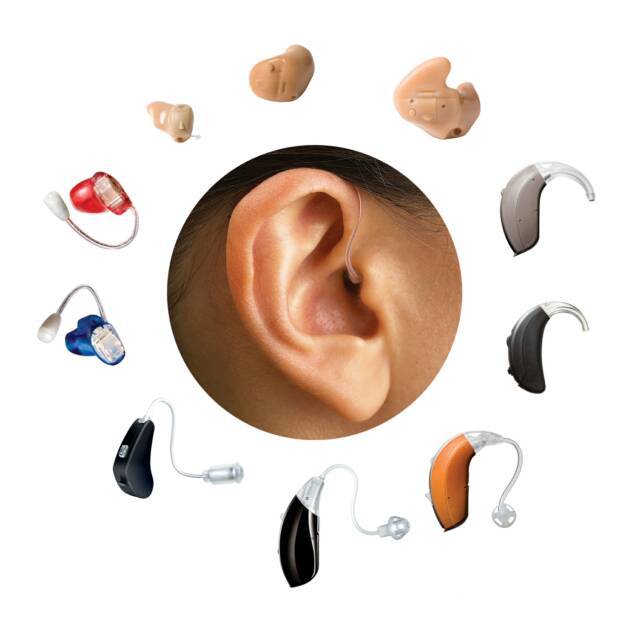 There’s nothing wrong with carrying devices that help you in your tasks better, be it hearing aids or walking canes; however, they make many individuals feel self-conscious. Consequently, gadgets like hearing aids have undergone a remarkable transformation, combining fashion, convenience, and functionality to create devices with innovative designs. In this article, we’ll discuss these in detail.


 By
By