By Dov Z. Hirsch, general manager of The Immersive Health Group, a subsidiary of The Glimpse Group and founder of ContinuumXR and Martie Moore, MAOM, RN, CPHQ, clinical advisory board chair, ContinuumXR.
It’s no secret that healthcare is undergoing a transformation. One doesn’t need to be an industry insider to recognize it. A mere press release issued by Amazon can move markets like never before. Last September, Apple equipped Apple Watch 4 customers with the ability to take an ECG, a feature that AliveCor released two-years earlier through rigorous R&D with the FDA clearance of the Kardiaband. AliveCor recently pulled Kardiaband from the market. And earlier this week reports of tumult within Apple’s health team leaked to the press, citing tensions rising over differing visions for the future.
The current pace of change in healthcare has brought volatility with it. And while healthcare and volatility don’t typically mix well, the fundamentals of the market are supporting much greater tolerance for it, perhaps greater than any other time in modern history, and for good reason. Population demographics are shifting dramatically. According to Jonathan Vespa, a demographer with the U.S. Census Bureau, “within just a couple decades, older people are projected to outnumber children for the first time in U.S. history. It will be a very long time before this trend shifts direction, if ever. As featured in a recent Washington Post article, the combined growth of the retirement population and decline in young workers is playing a central role in labor shortages seen around the country.
To understand this challenge within the context of healthcare, technology and innovation, one only need to look within the walls of any major hospital system. An aging population requires complex medical care. Complex medical care is not only expensive (especially in the U.S.) but requires providers to act and think in a multi-focal manner. After all, care is delivered by doctors, nurses, therapists, social workers, family members, and countless other clinicians and caregivers. The system requires a balance of supply and demand between patients and caregivers. This need can only be met with a healthy pipeline of highly skilled, and experienced clinicians within the system (until the robots takeover that is). Yet according to the Bureau of Labor Statistics’ Employment Projections (2016-2026), healthcare workforce demand will outpace supply by 2025.
Above and beyond the issues of quantity, the clinical workforce shortage is greatest among the highly skilled — a challenge that is less discussed but well understood by those who work within the system. As America is aging so are the providers of care who are now looking at their own retirement plans. While exciting for them, it is terrifying for the rest of the population. Think of a water leak that begins as a slow drip and turns into a steady stream of water. In short, knowledge, experience and intuitive practice is leaving our healthcare system.
The traditional methods that healthcare uses in its approach to training and education are inadequate. It is no longer acceptable for evidence-based practice to migrate into clinical practice over a span of 10 to 15 years. New providers must develop core competencies and resilience much quicker, and existing practitioners need effective ongoing professional development solutions to meet higher quality standards. Addressing this challenge isn’t easy.
Healthcare leaders are exploring innovative methods of learning, such as virtual reality (VR), that support faster adaptation of knowledge and skills into the clinical practice, standardization to reduce variation in quality, and development of muscle memory to decrease burnout and nurture resilience.
According to the World Economic Forum’s 2018 Future of Jobs Report, 67% of healthcare organizations will adopt VR in some capacity over the next several years. Virtual and augmented reality will transform the way in which clinicians and caregivers gain knowledge, acquire skills and practice care delivery throughout their career.
In an op-ed published last year, former Senate Majority Leader, physician and entrepreneur, Bill Frist, MD, recalls his experience as a medical student.
“See one, do one, teach one. It was the best we had at the time. But is that really the best, or safest, way to learn? Or do patients deserve more? Experience matters. Things we actually experience stay with us in a way that things we are simply told, taught, or observe do not … VR is no longer just a source of gaming entertainment. Over the past 12 months, astounding technological advances coupled with seismic shifts in our healthcare sector toward value-based care are opening the door to its effective clinical use … It holds particular promise for accelerating medical education.
VR technology is a force multiplier in transferring knowledge to practice. While traditional educational and training resources sacrifice efficacy for scalability, VR offers an affordable digital alternative that is both scalable and efficacious. And a growing body of research shows that procedural, anatomical and medical knowledge acquired during VR simulation is on par with traditional teaching and simulation lab environments. A University of Maryland study found that individuals had an 8.8% improvement overall in recall accuracy using a VR headset compared to two-dimensional platforms.
By Jane Byrne, care project coordinator, Firstcare.
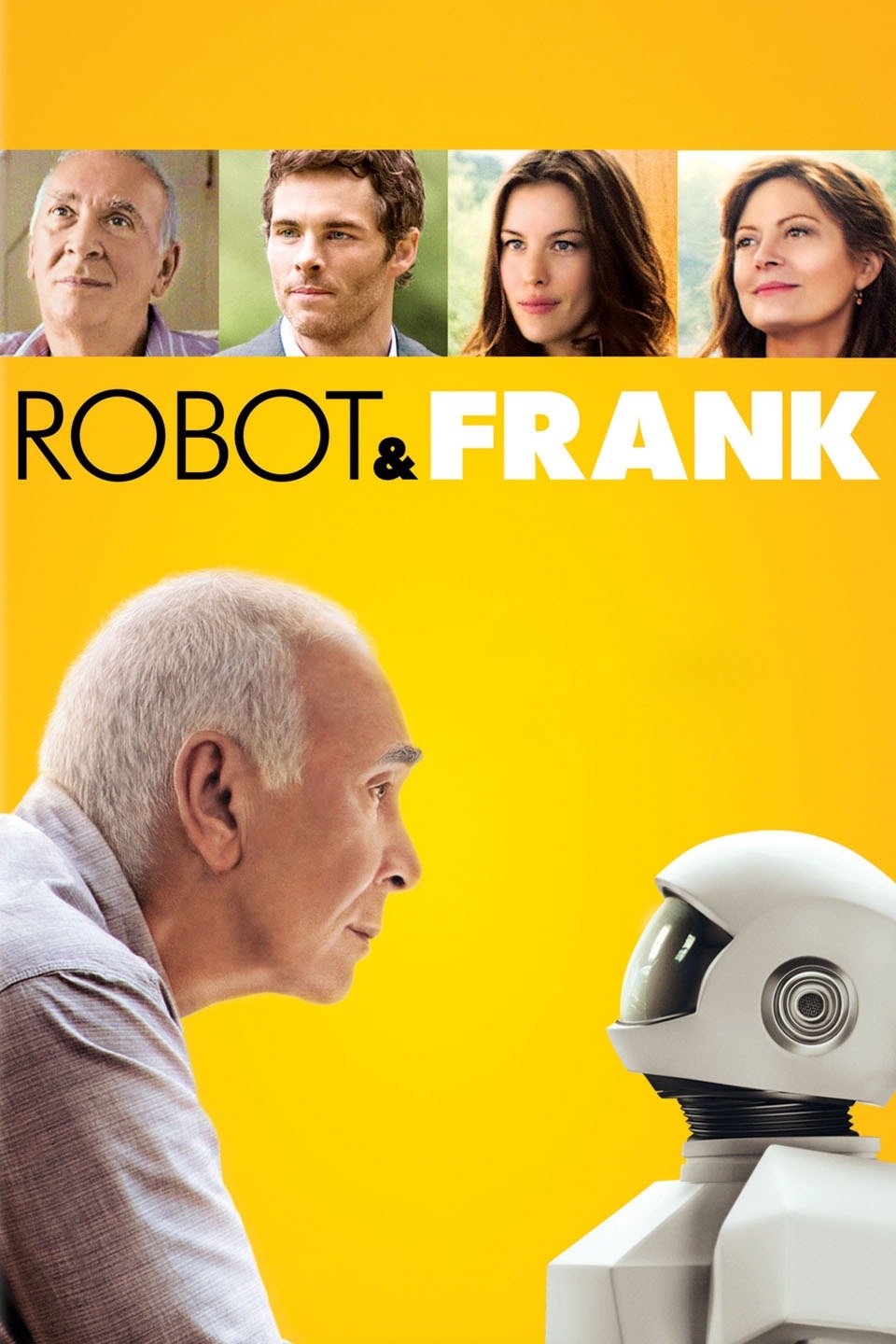
As technology advances, robots might be able to fill in the gaps when it comes to caring for the elderly in the near future. According to films such as “Robot and Frank,” robots might be used as caregivers in the near future. The films show that robots can carry out activities that humans can do, such as cooking and cleaning. Researchers believe that robots could be a better way of taking care of the elderly who are increasing in number day after day.
Mobile robotic telepresence systems have implemented a social robot that can provide positive social interaction with the elderly. Social robots can be controlled remotely using smartphone apps. The robots have been installed with video screens that allow the relative and social worker to interact with the elderly at any time. The mobile robotic telepresence systems thus enable communication between the elderly patient and other people through a computer screen. However, this type of social robot still requires someone to operate it for it to function.
Systems such as telecare have had their place for years, and we’re now seeing new and improved technologies come through which help to keep our residents safer. The aim is not to remove the human touch, but to increase patients’ overall quality of care, technology can actually increase the time we can spend with each patient, by removing tasks such as monitoring and non-critical tasks.
Developers around the world have been trying to come up with a robotic companion who is programmed with advanced artificial intelligence. This type of intelligence will allow the robot to interact with people without requiring someone to operate it; that is; the robot will be able to interact with people on its own. Examples of these companion robots include Paro and Airo. Other robots have been built to provide a more comprehensive and complex care, such as robots include Pepper and Care-O-Bot.
Paro social robots are used in Australia care homes for therapeutic purposes. The robot usually interacts by moving its wide eyes, head and flippers, or even producing certain sounds in response to certain touches. This type of robot is also used in Europe, parts of Asia and the United States.
By George Mathew, chief medical officer, North America, DXC Technology.
George Mathew
Consumer technology has given rise to 21st century digital citizens who are reinventing their lifestyles ? one smart device at a time. They are also reinventing healthcare.
The 21st century digital citizen monitors their daily calorie intake, sleep patterns and heart rate during exercise. They have used a DNA testing service to access their genetic information, and they know their risk level for conditions such as Alzheimer’s disease or cancer. They have become empowered consumers of healthcare.
Healthcare organizations are exploring ways to capture this new wave of patient-generated data, integrate it with other clinical and non-clinical data sources and gain insights into improving health management for individuals and populations. The key will be to create a digital foundation that can radically improve data flow and deliver contextual, actionable insights across the entire healthcare ecosystem.
21st Century Outcomes
Consumerization has made it possible to get a more complete picture of what patients need to better manage their health, and to provide care beyond the walls of a hospital or clinic. Insights can be gleaned from a variety of internet of things (IoT) devices ? from cameras linked to video analytics systems to assess people’s behaviors, to communication and conversational artificial intelligence (AI) devices that can interact with patients in their homes.
Consider what this means for patients who are managing a chronic condition such as diabetes or hypertension. Those individuals receive advice when they visit their doctor or nurse practitioner. But how can providers keep patient engagement going between those visits? Now, after garnering the appropriate approvals, providers can use patient-generated data and virtual health services to monitor patients and ensure they have the information needed for their care without requiring an office visit. Increased interactions between practitioners and patients helps to increase engagement, which is often difficult to achieve between visits. Better-engaged patients will positively impact patient satisfaction scores — a key consideration in the value-based care system.
Additionally, collecting more types of data enables organizations to better understand the dynamics of the entire population. Patients with similar profiles can be identified, successful care paths can be determined, and emerging patterns can be recognized to help in finding the most effective interventions. And, healthier populations will result in less expense to the healthcare system overall.
Without a doubt, data is the driving force for innovation within healthcare. It has allowed for processes to be streamlined, busy work to be automated, and medical professionals to have more time with their patients. This data within health informatics is giving doctors, nurses, and the like access to better patient information and allowing more precision within their work.
This patient information includes data on socioeconomic, environmental, biomedical and genetic factors. Data insights are transforming the healthcare industry, and experts point to artificial intelligence (AI) as the future of medical tech. One thing agreed on across the board is that, with these advancements, medical professionals will be able to treat patients with better accuracy.
These innovations are disrupting two arenas within the industry: patient care and institutional structure. Not only do these innovations in healthcare informatics better inform doctors and allow patients to receive an improved quality of care, but they can ensure that healthcare facilities run more smoothly. Here are a few ways that innovations from data informatics have been changing the world of healthcare.
More Patient-Focused Care
Data has allowed medical care to become more patient-focused. This means more time and effort is given to patients individually. Doctors have less paperwork to do because a lot of the organizational work is automated. But patients are also able to take care of themselves at home, or at least effectively communicate with doctors about their condition.
There are many applications for telemedicine and remote patient monitoring. We are seeing sexual health, disease symptoms and concerns, heart rate, dietary problems, and mental health counseling being addressed with apps or telemedicine practices.
For instance, rather than waiting for regularly scheduled checkups, some patients are able to take their own blood pressure and report it to their doctor using a mobile app. This is done through a process called computerized provider order entry (CPOE). Some doctors are wary of this practice, which has inspired conversations about the trustworthiness of patients. But it could be incredibly helpful for those with limited means of transportation or who rely on a caretaker.
AI is able to operate with expert precision and analyze patients in a way that doctors have never been able to. For instance, AI can accurately detect skin cancer. In the past, doctors would have to determine this from dermoscopic images. AI is able to analyze patients and provide a more accurate result. This advancement could have incredible consequences for cancer prevention.
With the sheer number of people who have fallen victim to the opioid epidemic, friends and family may be left with many unanswered questions and feelings of helpless about what to do when they notice suspect their loved one may have an addiction. The abuse of opioids is not a recent phenomenon as it has been a prevalent concern starting around the turn of the century, making headlines since the nineties with thousands of victims who have perished from its misuse. While traditional treatment methods can still be considered effective, those who suffer from opioid addiction and are looking to get onto the road recovery can take advantage of the technological advances that make the process easier.
The challenge with opioids is that they are available in various forms, with some of the most accessible being prescription drugs. Fentanyl, morphine, codeine, hydrocodone, and other synthetic, man-made opioids can be easily found in the medicine cabinets of everyday people. While the intended purpose of these formulations has been pain relief for patients suffering from a variety of physical ailments or discomfort, an unintended side effect for many of these medications has resulted from its highly addictive qualities.
Because opioids are prescribed routinely following both major and minor surgeries, as well as for managing conditions that cause chronic pain, it should come as no surprise that the soothing anesthetizing properties could potentially become addictive. A major step on the road to recovery is recognizing signs an addiction and taking action before the issue escalates. Some of the warning signs include patients who do not follow their doctor’s instructions, demonstrations of mood swings, voluntary isolation, questionable hygiene practices, changes in appetite, and any significant changes in one’s typical routine following certain types of opioid use.
Traditionally those suffering from opioid addiction would likely need to depend on the intervention of loved ones or community members once a situation has grown beyond their control. Another potential solution has been to admit oneself to professional rehabilitation. While those are still effective methods, those recovering from opioid addiction can also take advantage of the most powerful form of communication now available at the tap of a screen, click of a mouse, or push of a button, for even more ways to access different types of opioid treatment options.
One of the most common pathways to addiction is not necessarily from obtaining the infamous illegal forms of opioids such as heroin. Oftentimes a patient may begin using a prescribed opioid responsibility but may find a low dosage to feel ineffective or inadequate. With the world wide web at a patient’s disposal, he or she can easily explore alternative medications for pain relief, such as acetaminophen or ibuprofen, that are less addictive. There are also several drug-free methods to explore. Whether a patient is interested in high-tech treatments such as those that utilize electrical signals and radio waves, surgical procedures, localized injections of anesthesia there is a wealth of information available.
When somebody is suffering through an addiction it can become tempting to become physically isolated and cut off from the world in general. Today, online forums can help prevent that from happening. Dedicated websites not only allow users to discuss and get support for virtually any topic that comes to mind, but many even allow users to post in an anonymous format if desired. This can be useful for individuals who are more private and may feel hesitant to share their struggle with friends and family who know them personally and can be done on forums specifically aimed at drug rehabilitation, or in general online Forums with user-generated content.
While pharma companies have grown to become effective direct-to-consumer (DTC) marketers, hospital systems and other large providers lag behind the rest of the industry when it comes to creating highly efficient, measurable and accountable DTC marketing programs. Why?
First, they have never needed to compete historically. With light competition and reasonable levels of reimbursement for decades, everything was fine until the cost of healthcare began to spiral out of control. In response, payers began to push back by negotiating lower levels of reimbursement in-network. In addition, payers, including CMS, have denied claims creating losses and cash flow issues for many providers.
There is also a rapid rise of chronic conditions ranging from arthritis to diabetes to dementia. These chronic conditions are expensive to treat for healthcare providers. They are an even greater challenge to treat profitably in an environment of declining reimbursements.
At the same time, advances in medical treatment and care have extended life spans and placed additional burdens on our healthcare system, including the extraordinary cost of heroic and end-of-life care.
To help offset rising costs and declining reimbursements, large scale providers need more new patients to cover fixed costs. As a result, most of these providers have added DTC marketing to the mix. This usually takes the form of a website, some SEM and a little local advertising. Unfortunately, many any of these marketing tactics are often random acts of marketing without the marketing insights and strategy required to efficiently compete and effectively reach their target audience.
However, even when these marketing tactics produce a modicum of qualified leads, here is where the provider marketing model breaks down: attribution. Often, leads from marketing campaigns are funneled to the same phone number or web form. By aggregating these leads into one pool of potential new patients, it is virtually impossible to determine which marketing tactics produce the best results. It is therefore almost impossible to optimize marketing spending, which invariably persists with built in under performing media. The old advertising joke about only half of ads working no longer applies today with accountable media except in the case of healthcare provider DTC marketing. This needs to change.
By Ashmi Shah, senior vice president, finance, Talix.
Ashmi Shah
The healthcare industry has experienced significant changes over the last few months. According to a recent report by Deloitte, physicians are increasingly being asked to provide cost-effective and quality care in an effort to curb rising healthcare costs. While they have traditionally been mainly focused on delivering the quality of care, physicians are now required to deliver the best results while also making sure to properly manage the use of resources to do so.
Talix helps the healthcare industry transition from fee-for-service models to value-based care tied to patient health outcomes. As a cloud-based risk adjustment platform, the company equips U.S.-based healthcare insurers and providers with the ability to use complex patient data to improve the accuracy and speed of claims, eliminating error-prone manual work in a heavily regulated environment. By doing so, insurers are able to leverage actionable intelligence that drives better patient outcomes, accurate reimbursements and improved efficiencies.
However, efficiencies also had to start within. Talix was looking for a robust and sophisticated financial management and planning system that could allow the company to achieve huge gains in scale, speed and generate valuable business insights. Its financial operations traditionally relied on Quickbooks and Excel, which proved to be inefficient and provided limited visibility to the company. In addition, the use of Excel spreadsheets, especially when multiple revenue components are involved, can be very time consuming and prone to mistakes. The tools did not allow Talix to track activities at a deeper level and it increasingly became a challenge for its three-people team to make the three-week close period.
The company then implemented Sage Intacct’s financial management platform, which allowed it to generate deep reporting to support the company’s data-driven decision-making, track profitability and other key business metrics at a highly granular line of business and product level, as well as streamline multi-element revenue and other aspects of its accounting function.
By doing so, Talix was able to reduce the time it took to track revenue from a four day period to just one day. The company also introduced new efficiencies through the platform in the form of automated processes, mainly in its billing function which had two significant impacts: they were able to process bills in half a day as opposed to five days and dramatically cut its days sales outstanding (DSO) from five months to 45 days. By introducing these efficiencies, Talix was able to generate new cash flow that left the company with $3 million in unanticipated cash at the end of 2018.
Data from AMGA’s 2019 Medical Group Compensation and Productivity Survey shows physician compensation increased in 2018, while changes in work relative value unit (wRVU) productivity remained low.
The survey, conducted by AMGA’s subsidiary, AMGA Consulting, found that overall physician compensation increased by a median of 2.92%, compared to a 0.89% increase the previous year. Productivity increased by 0.29%, compared to a 1.63% decline in 2017. Compensation per wRVU ratio increased of 3.64%, compared to a 3.09% increase the previous year.
“The 2019 survey shows that physician compensation in 2018 rebounded from a stagnant 2017,” said Fred Horton, M.H.A., AMGA Consulting president. “While productivity also increased, it did not increase enough to surpass the decline we saw in last year’s survey, meaning productivity still has not risen since 2016.”
Primary Care
In 2018, median compensation for all primary care specialties increased by 4.91%, up significantly from 0.76% in 2017. While compensation increased more than it had over the past several years, productivity was flat, with wRVUs increasing by only 0.21% in 2018. As a result, the median compensation per wRVU ratio increased 3.57%, the largest increase for primary care specialties in four years.
Fig. 1 Change from 2017-2018: Primary Care
Type
Compensation
wRVUs
Compensation per wRVU
Family Medicine
6.25%
1.23%
3.53%
Internal Medicine
5.90%
-0.34%
3.95%
Pediatrics
-0.04%
-0.96%
3.04%
All Primary Care
4.91%
0.21%
3.57%
“As healthcare organizations move from volume-based to value-based payment models, we’ve observed increased scrutiny on primary care performance. Medical groups continue to focus on delivering care in the most appropriate setting with the greatest efficiency—and often place primary care providers at the center of this strategy,” said Elizabeth Siemsen, AMGA Consulting director. “Concurrently, in recent years, the AMGA survey has shown a slow uptick in the proportion of primary care physicians reported at less than a 1.0 clinical FTE, indicating an increase in part-time providers. In order to recruit and retain the primary care workforce, it may be that the market demanded a compensation course correction this past year.”
Specialty Care
Medical specialties saw an increase of 1.9% in median wRVU production over last year’s survey. The compensation per wRVU ratio increased by 2.65%, and the overall median compensation was up for medical specialties by 3.39%. A sample of medical specialties with more remarkable changes to the compensation per work RVU ratio are cardiology, dermatology, gastroenterology (GI), hospitalist–internal medicine, and psychiatry.*
 By Jane Byrne, care project coordinator,

 With the sheer number of people who have fallen victim to the opioid epidemic, friends and family may be left with many unanswered questions and feelings of helpless about what to do when they notice suspect their loved one may have an addiction. The abuse of opioids is not a recent phenomenon as it has been a prevalent concern starting around the turn of the century, making headlines since the nineties with thousands of victims who have perished from its misuse. While traditional treatment methods can still be considered effective, those who suffer from opioid addiction and are looking to get onto the road recovery can take advantage of the technological advances that make the process easier.
/CMO-Joe-Grace.jpg?width=300&name=CMO-Joe-Grace.jpg)
