
Mental health is an integral part of a healthy and happy life. According to a research by the National Alliance of Mental Illness (NAMI), almost one in every five Americans experiences mental health issues.
As your mental health is responsible for your emotional, psychological, and social well-being, you need to pay as much attention to it as possible. Where therapy has shown positive results in the past, with the spread of coronavirus, it is becoming quite difficult for mental health patients to reach their therapists.
Where on one side, the current pandemic is the cause of loneliness, depression, and anxiety in people, teletherapy has seen a huge rise. According to a local survey at Southern Cross University, a poll suggested that almost 98% of respondents agreed that the pandemic had taken a toll on their mental health. So, as the global COVID-19 pandemic continues to grow, so does the need to talk to your therapist over the internet.
Like every other industry in the world, the health sector has also transformed itself to fit the current needs. Where you once had to travel miles to your therapist’s office, all you have to do now is boot up your computer, and you are good to go. Most therapists are saying that people are starting to get used to the idea of online therapy.
“I think that people have started to get used to the idea of doing therapy over the video, even if it’s not ideal for either party. I do think that video will stay consistent for some time to come, even if COVID numbers go down, for the sheer usefulness of the platform,” said Jason Fierstein, a licensed professional at Phoenix Men’s Counseling.
Benefits of Online Therapy
Online therapy isn’t only feasible during the pandemic, but it offers benefits that surpass the traditional form of therapy.
Continue Reading
Diabetic neuropathy occurs because of diabetes, a disease that can seriously harm your health. Although it is not a fast-developing disease, it is a painful complication to live with. High levels of blood sugar for a long time can put you at the risk of this complication, which may take years to show symptoms.
Diabetic Neuropathy is of four types:
- Peripheral
- Autonomic
- Proximal
- Focal
If you have diabetes and feel either; numbness, a prickling sensation on your skin, pain, and/or weakness in your hands or feet, you should immediately visit your doctor. All of these are signs of peripheral neuropathy. However, these are just the early signs. In the last stage of neuropathy, you may develop an ulcer on your foot and grow numb to pain. Diabetic neuropathy treatment must be sought after the first few signs of this complication.
The Signs and Symptoms of Diabetic Neuropathy:
When your nerves get damaged due to prolonged and ill-managed diabetes, it’s known as Neuropathy. Diabetic Neuropathy has the chance to lessen if treated at the right time and if these signs and symptoms are not ignored. The symptoms are below:
- Sweating
- Sensitivity or complete loss of sense of touch
- Difficulty walking
- Nausea
- Indigestion
- Bloating
- Numbness/pain in parts of the body
- Lightheadedness
- Burning sensation or prickling sensation in feet
- Diarrhea
- Constipation
- Problems urinating; frequent urination, or trouble emptying a full bladder.
- You can no longer tell when your glucose level is low.
If you have any of these symptoms, visit your doctor. Prescription medicines can help ease your pain, but this condition does not have a permanent solution as of yet. Damaged nerves cannot regain their original form since your body has no such mechanism to repair such nerve tissues. For frequent urination or incontinence, a temporary solution can be women’s pads or men’s external catheter kit. However, it is still vital that you get your diabetic neuropathy treatment done in time.
How to manage your symptoms:
We can suggest precautions and aftercare if you are at risk of this disease. They are down below:
Lower your blood sugar level:
Keep your blood sugar level in check. Go on a strict diet and do not consume food that may risk increasing your blood sugar level because this will worsen your condition. Drink healthy and eat clean. You cannot consume food rich in sugar and take your insulin shots or oral medicines regularly. Monitor your blood sugar level every few hours.
Treat the nerve pain:
Your doctor will most likely prescribe you with medicines to help control the symptoms and pain. Other than that, you can also take OTC medicine to help you with your pain.
Keep extra care of your feet:
Always keep a check on your feet to ensure that they do not have any type of injury or infection. When you suffer from Diabetic Neuropathy, your ability to feel damage or injury on your feet or legs can weaken, so you may never even realize if you accidentally cut yourself or hurt yourself. Always keep strict foot hygiene by regularly clipping your toenails and washing your feet with body soap. Do not walk barefoot.
Use OTC pain medication:
There are many OTC medicine options available to help ease your pain. No medicine is available to vanish the pain entirely, but aspirin, ibuprofen, and Acetaminophen work well enough to soothe mild to moderate pain faced in diabetic neuropathy.
Get tons of Vitamin D:
Vitamin D is the easiest vitamin to get a hold of since the sun is the biggest source of Vitamin D. According to studies, Vitamin D has been known to help ease the pain that is caused by nerve damage, i.e., Diabetic Neuropathy. People with low levels of Vitamin D may feel more pain than people with high Vitamin D levels.
However, it is impossible to get the recommended amount through the sun and food. If you need a kickstart, start taking a Vitamin D supplement.
Diabetic Neuropathy treatments:
There may be no permanent treatment to end this complication but your doctor will still give you treatments that will help lessen your symptoms:
Anti-Seizure prescription medication:
There are many various medicines available to treat disorders like epilepsy that can also be used to lessen nerve pain.
Antidepressants:
Antidepressants are prescription drugs used to treat depression, but they have also proven to work to ease Diabetic Neuropathy pain. For moderate nerve pain, the tricyclic classed antidepressants like; desipramine, imipramine, and amitriptyline may help.
If needed, your doctor will combine your anti-seizure medicine with your antidepressant drug. You may also use both these medicines alongside OTC medication and/or painkillers.
Complications you may face:
With this painful disease, you may face several complications, which are all listed below:
Frequent Urinary tract infection or problems:
All the medicines you take have side effects too. Some drugs may affect your bladder’s normal function. If this happens, consult your doctor because they may suggest changing or stopping the medication. You may note your urination timing or go on a strict schedule where you only urinate after a few hours.
Digestive problems:
You may develop digestive problems like indigestion, bloating, and gastroparesis. For this, it is best to eat smaller portions in a more systematic manner. Your doctor may encourage some changes in your diet and also switch or stop your medication.
Low blood pressure:
If you have been facing this problem or feel like everything goes black when you suddenly stand up, you need to make some lifestyle changes. Lifestyle changes like cutting back on alcohol, high water consumption, and slowly getting up will make a significant impact on your low blood pressure.
Conclusion:
Diabetic Neuropathy is a condition that only gets worse with time if its symptoms are not spotted and controlled early on. Scientists are working on a solution to reverse tissue damage caused by this disease, but there is nothing that can officially be a permanent solution. It is only smart to make lifestyle changes, monitor your blood pressure, and visit your doctor religiously.
Share to create awareness.
Head injury is any harm to the brain, skull, scalp in the form of swelling, broken blood vessels, or nerve damage. These injuries range from minor injuries such as bumps to severe injuries like traumatic brain injury (TB1), depending on the extent of the damage caused by an object.
A head injury can either be closed or open (penetrating). In closed head injury, there is no impairment to the skull, while in open head injury; the damage penetrates into the skull, thus entering the brain.
Did you know?
In case of serious brain traumatic injuries, doctors perform surgeries to repair the skull. After surgery, mostly people need to spend some time in rehabilitation to get back to their normal life.
Let’s dig into the details.
Causes of head injury:
There can be numerous causes of head injury. The most common injuries occur due to accidents in automobiles, on bikes, or while crossing roads. Likewise, you may experience a head injury when you fall or when you are playing sports. Generally, these injuries are caused due to blows to the head. On the other hand, some head injuries occur due to violence or child abuse––head shaken. In all cases, early treatment is crucial, therefore keeping small travel kits in the car for administering first aid in an emergency when you are out and about could be a wise move.
Continue Reading
Falls and car accidents are common causes of injuries. Dealing with the aftermath of these events can be overwhelming. A person suffers from physical illness, but emotional trauma such as flashbacks of an auto wreck can be worst of all-cause ongoing pain and distracting attention to perform daily activities. To come out of this, you should seek professional medical care.
Types of Car Accident Wounds and Injuries
Abrasion
When your skin rubs against a rough surface, for example, road rash, an abrasion occurs. The victim not usually bleeds, but the wound needs to be cleaned on time to avoid infection.
Continue Reading
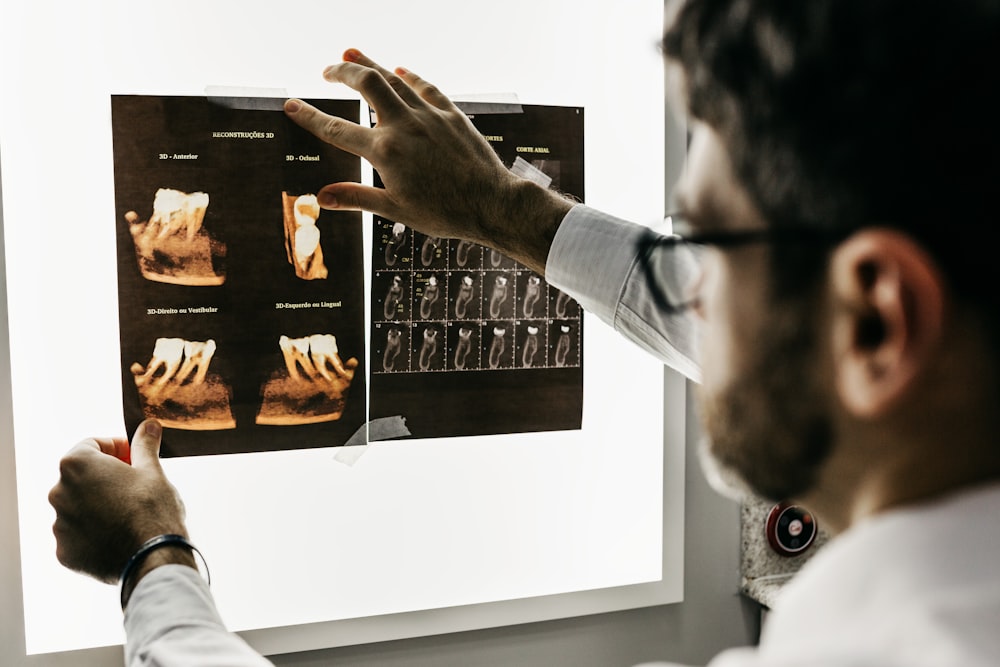
In decades past, when people had tooth decay or suffered from a toothache, dentists would simply pull teeth out. Anesthesia wasn’t as strong, so the process of pulling teeth was painful. Fortunately, the dental industry has changed over the years, providing less painful processes when it pertains to oral health and surgeries.
Furthermore, advanced dental technology has made it easier to take impressions, create dentures and extract teeth. Today, we’re looking at the top five technologies used in dentistry. We’ll discuss what digitized dentures are and the process behind robotic surgeries. Keep reading to learn more.
1. Robotic Surgery
Artificial intelligence (AI) is paving the way for the dental industry. Dental robots are now able to perform tasks such as filling cavities, and cleaning or extracting teeth. This is a major perk for dental practices with high foot traffic, as robots can work much faster than humans. This should also be a welcome change to patients who won’t have to wait as long for appointments.
What’s more, AI works with the utmost precision, so there will be limited mistakes when doing dental work. Fortunately, dental insurance will still cover the charges whether you get your dental work done by a human or robotic practitioner.
Continue Reading
As a business owner, you’ve worked hard to build your company up from the ground, and you’d do anything to keep it safe. There are many ways risks could occur within a business. Some of these have the potential to ruin a business, while others may pose a threat to human health. As a business owner, it’s your job to make sure that your business, the building, employees, and yourself are kept as safe as possible. Here are some tips on how to keep your business safe in today’s world.
Practice and preach health and safety rules
Following health and safety rules and regulations in the workplace is imperative for any business. Failure to do so could push your employees to reach out to a workers compensation law firm, which could eventually lead to hefty fines and, even worse, injury or death. Depending on your business, there may be extra rules and regulations to follow. For example, if your staff are expected to operate machinery, there will be rules surrounding that too. Read up on these rules, practise them, and preach them to every staff member to protect yourself, their health and safety, and your business from scrutiny.
Protect your business premises from theft
Theft can happen at any time and by anyone and sometimes, it’s not necessarily a targeted occurrence! If your security is poor, passers by could quite easily break in and damage – not to mention steal – everything you’ve worked hard for. Equip your business premises with security cameras, secure lock systems, and an alarm that will alert you and the police should someone try and break in.
Continue Reading
Technology is significantly changing the world around us. It is optimizing our lives and causing sociopolitical issues simultaneously. One of the most prevalent and pivotal ways technology can improve our lives is by using it to make our bodies and minds healthier. Perhaps the most important way new technologies can help is by curing and screening for diseases. Cervical health is being facilitated with technologies that are offering insight, preventative measures, and treatments for deadly diseases like cancer and HPV.
Cervical Cancer Screenings
One of the many ways that technology is improving health is through cancer screenings. This is especially relevant for cervical cancer. Medical professionals are finding new methods to provide accurate, efficient, and cost-effective identification for the women who at risk for cervical cancer.
Cancer in the cervix is the seventh most common cancer among women. Currently, cancer screening in the cervix uses HPV DNA testing that is combined with cytology. But this method requires visits that are both costly to the patient and the society at large.
New screening methods include diagnostics, which detects either the presence of HPV or the integration of the virus into the host cell, proliferation of the cancer, and detection of epigenetic changes in the person or the virus. According to a study from the US National Library of Medicine, these new screening techniques are showing great promise for detecting cervical cancer.
Continue Reading

Your body requires energy to perform every single activity during the day. You extract vital calories from your energy stores continuously and not only when you’re physically active, like when you’re trying to carry your luggage up, and the elevator is broken. That is, you burn some number of calories even when you sit in a chair reading a book, or sleep, enjoying sweet dreams. That is why you need an accurate and precise TDEE calculator.
Anyone striving to keep control over their weight can’t suffice without tracking their calories. The calculator is the only thing that controls how many calories you consume and spend, so you can spot the time when you’re eating too much and spending too little, and reverse the proportion. Plus, when you’re sweating intensely during a workout, the calculator lets you know whether the amount of calories you’re burning off is enough to keep your body in the desired shape.
If you’re satisfied with your weight and simply want to maintain it, you need the calculator too. It is the only way to track the energy consumed and the energy expended. Although it is essential to keep track of calories, it is even more crucial to get calories from products with a balanced amount of nutrients and macronutrients according to the acceptable macronutrient distribution ranges (AMDRs). You can surely lose weight eating just hamburgers, but the cost would be your health.
What is TDEE?
TDEE means Total Daily Energy Expenditure. It is an evaluation of the total calories that an individual spends every day while engaging in their ordinary activities as well as physical training. The human body requires energy supply to carry out all its activities, irrespective of how insignificant it may appear to the human sense. The body burns calories even at rest, not to mention during a vigorous training. Actually, there is no single minute when your body is not working and spending energy. Summing up all the calories you burn, you get the Total Daily Energy Expenditure number (TDEE).
Logically, the TDEE varies and largely depends on how active you are throughout the day. Hours spent curled up on the sofa flicking through the channels burns nothing compared to the amount of calories you’d burn tracking in the mountains. The amount and intensity of activities carried out by a person is most likely to determine their weight and fitness. Whether you get the «overweight», «obese», «underweight», or «normal» result during a regular medical check-up greatly depends on your lifestyle. Every health specialist would recommend paying attention to your diet as well as physical activity if you wish to melt excess fat.
When discussing possible answers to the question, “What is my TDEE calculator?” there is an all-important need to understand how the body produces energy and spends it on the various activities that it performs. When food is chewed up and swallowed, it can be said that a person is fueling their body for a road trip. The food that they put in their mouths contains energy in the form of calories. It is these calories that are burnt by the body while you’re walking to the supermarket to buy more food. A vicious circle called life.
In some cases, the TDEE calorie calculator may help in explicating underlying reasons why a person is getting overweight by comparing the energy consumed to the energy expended.
Continue Reading