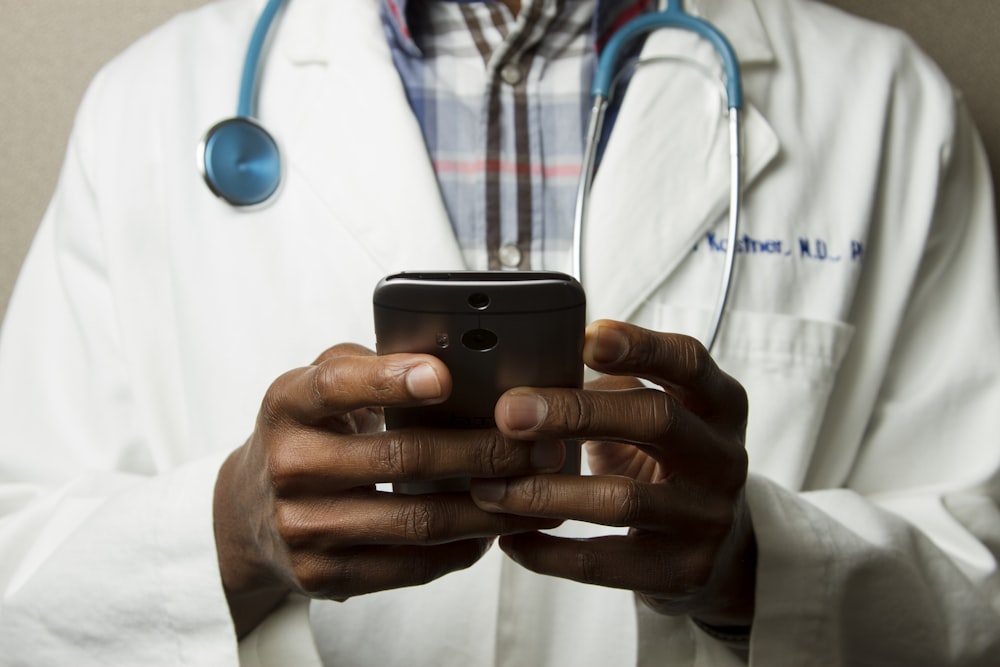
As the impact of COVID-19 continues to unfold, it is becoming abundantly clear we can no longer separate physical and fiscal care – patients cannot afford it. Provider payment systems and practice management solutions, too often regarded as an afterthought, can play a significant role in the financial well-being of patients by preventing the accumulation of debt and absorbed costs.
In the coming years, the lasting implications of the pandemic will no doubt result in a financial burden that compounds these challenges, creating an urgent need to streamline payments and administrative tasks on behalf of patients.
A Patient Need, Unfulfilled
The effect of inefficient and inflexible payments is best understood on a broad scale. According to a 2021 study by Rectangle Health and PYMNTS1, there is a significant disconnect between the payment solutions patients are interested in and the solutions they are offered. Per the study, 63% of patients are “very” or “extremely interested” in using payment plans, though only 44% were offered them. Many patients are also interested in access to digital payments, but they are not offered options either.
To put this financial disconnect into a medical equivalent, consider a patient with a heart condition who is dependent on the provider administering swift and decisive treatment. Waiting to get treatment would only exacerbate the issue and have potentially fatal consequences. Similarly, an inefficient practice management system that allows a patient to miss payments builds debt. The consequences in practice management, however, are not restricted to a single patient – others may absorb costs, too, build debt of their own and the entire practice can be put at risk.
Medical debt has a significant and well-documented impact on patient health. When patients miss payments, they are more likely to avoid their provider and assume they cannot afford to treat new health issues that emerge. A 2016 study by the Kaiser Family Foundation2 found that about three out of 10 patients reported problems getting health care they needed directly as a result of unpaid bills. Those struggling with bankruptcy are even less likely to seek medical attention when needed, but luckily a bankruptcy attorney on a site like Stoneroselaw.com should be able to help.
As of 2018, there were nearly one million physicians in the United States alone. That number has undoubtedly grown, because the healthcare industry is in high demand.
Being a physician is one of the most rewarding positions you can take on in the healthcare industry. But, it also means that many responsibilities fall on your shoulders – not just when it comes to patient care, but everything that comes with it.
You’re also the first person in the line of fire if someone should make a complaint against your practice. So, between working long hours, having to deal with malpractice insurance, and never knowing each day what your patients will bring, it can be hard to find a healthy work-life balance.
If you’re a doctor anywhere in the world, it’s important to be able to relax and unwind when you’re at home. It’s equally important to spend time with your family and friends, and leave your work at work.
So, how can you strike a healthy work-life balance as a physician?Continue Reading
At some point in their lives, most people will face the daunting task of having to choose between medical options. It’s during these instances when the importance of clinical trials is heavily emphasized. Each and every medical option presented to us has been scrutinized meticulously, and yet, few people will ever know of the rigors and challenges that accompany clinical trials. This piece is meant to give credence to the researchers who ensure that the medical solutions we use are safe and effective.
What Are Clinical Trials?
A clinical trial is a process that tests the safety and effectiveness of drugs and medical devices. Clinical trials are often sponsored by pharmaceutical companies and are conducted by research teams composed of medical professionals and experts.
Before a medical solution can be mass-produced and delivered, it must first undergo a lengthy process that involves laboratory testing and clinical trials before being approved by the FDA. This process can take from five to 10 years. So, why is this lengthy process necessary?
Response from Bram Jansen, chief editor, vpnAlert.
Bram Jensen
The recent digitalization of the business world is putting businesses at risk of cyber attacks more than ever before. Big data analysis has the potential to offer protection against these attacks especially against coronavirus research.
Analytics is an essential element in leveraging cyber resilience. With more advanced and persistent attacks on the vaccine research libraries and the basic fact that every health-organizations must protect itself against all varieties of attacks while an attacker only needs one successful attempt, health-organizations must rethink their cybersecurity concepts. They have to go ahead of pure prevention towards the PDR paradigm: Prevent – Detect – Respond.
Lastly, modern big data security analytics solutions give various automated workflows for responding to detected threats, such as disrupting clearly identified malware attacks or submitting a suspicious event to a managed security service for further analysis. Automated controls for cybersecurity and fraud detection have been recognized as one of the important business drivers for future adoption in this study.
By Alexa Lemzy, customer support manager, Textmagic.com.
Alexa Lemzy
Mobile communication technology in healthcare has the potential to improve the patient experience greatly. With a 75% increase in usage last year, telehealth has proven itself a valuable tool during the global pandemic, and it’s predicted to continue at a high adoption rate in the future.
This is because it offers many benefits to the patient experience beyond reducing unnecessary in-person contact. It also enables healthcare providers to support patients with more information and better communication between appointments. This is particularly valuable for patients who prefer the convenience of digital communication and self-service options.
Improved Follow-Up
It can be difficult for patients to take all the information on board when they are given a complex diagnosis or treatment plan. They may only realize later that they didn’t understand something or instruction they don’t remember.
Following up appointments with a text to summarize the details gives patients a chance to process the information and note any details they missed in-person. A follow-up text is also an excellent opportunity to prompt patients for any questions or concerns they didn’t mention during the appointment.
Patient Feedback
Mobile communication methods like texting and instant messaging make it simpler to check up on patients during or after treatment. Scheduling an automated text message that follows appointments that patients can reply to with any concerns or new developments.
A text or message lets patients reply at a time that suits them without interrupting their day. While a phone call could put patients on the spot, making them forget details they wanted to discuss, a text gives them time to think of everything they want to include in their reply.
Besides reaching out to patients, it is easier for them to contact you, either directly or through an app or chatbot. Providing these automated response methods lets patients get immediate answers to simple queries such as checking appointment times or medication instructions. Questions they can’t answer can be passed onto a healthcare provider for a more detailed response.
Response from Sarah Johnson, RN and the health ambassador, Family Assets.
I’m an RN and the health ambassador for Family Assets, an eldercare and senior living resource for older adults and caregivers.
Working in eldercare and watching how telehealth technology has radically reshaped geriatric care during the pandemic, I think the most important question healthcare technology professionals should be asking themselves right now is: given that hospitals and healthcare facilities have been prime targets for cybercriminals, largely because of aging infrastructure, what needs to be done to make the rapidly expanding healthcare tech industry more secure?
I think the obvious answer to this is the development of much more robust digital security protocols at individual institutions and a massive educational initiative for healthcare providers and workers. This should include, among other things, scheduled stress testing that probes for cybersecurity vulnerabilities.
Too many organizations, within and outside of healthcare, are completely unprepared for the cyberthreats they face and are not diligent enough when it comes to monitoring and probing for weaknesses.
All healthcare technology professionals should have this issue front and center
For a lot of people, each bruise, bump, or cough means a rush to the nearest emergency care. But for a larger portion of the adult population, the trips to a medical professional are few and far between. All of us are always trying to cut down on the visit to the medical center but there are times when our body will be screaming that it needs a doctor. You should never neglect these signs as it could mean something is significantly wrong with your body. If you notice the below-mentioned signs, you need to see a doctor right away.
You have persistent headaches
Research shows that one in twenty adults suffers from a headache on a daily basis. But this does not mean that it is a common ailment and should not be treated. Headaches are a symptom of ailments that can be as minor as an eye strain or dehydration and can also be as major as an infection, meningitis, brain injuries, or even tumors. If you have a pounding in your head that no painkiller can handle, you need to speak to the doctor. Take your headaches seriously.
You are losing weight without trying
Losing weight is like a dream for many people but if you notice that the pounds are falling off without any major effort or changes in your food habits, you need to see a doctor. If you are not exercising or dieting, it means you are experiencing early symptoms of various cancers and you should not avoid this sign.
As most of us would agree, modern smartphones have become hugely useful when it comes to providing us with increased ease and convenience. You can now do so much on your phone, from browsing and making purchases online to taking videos and photos, accessing social media, download and using a huge range of apps, and more.
Mobiles have also proven very useful in terms of helping to battle the ongoing global pandemic, as it means that people can go online with ease to check information, make arrangements for testing, get updates on the virus, and receive calls from contact tracers if they have been exposed or infected. When it comes to the latter, contact tracers often use mobiles to try to get in touch with those who have been diagnosed with COVID as well as those who have been exposed via contact with infected people.
Not Always Successful
As our infographic shows, contact tracers are not always successful in contacting people on mobiles, and this is for a range of reasons. While they do try to call three times, their calls can still go unanswered, and this means that they are unable to get or provide the information they need to with regard to exposed contacts.