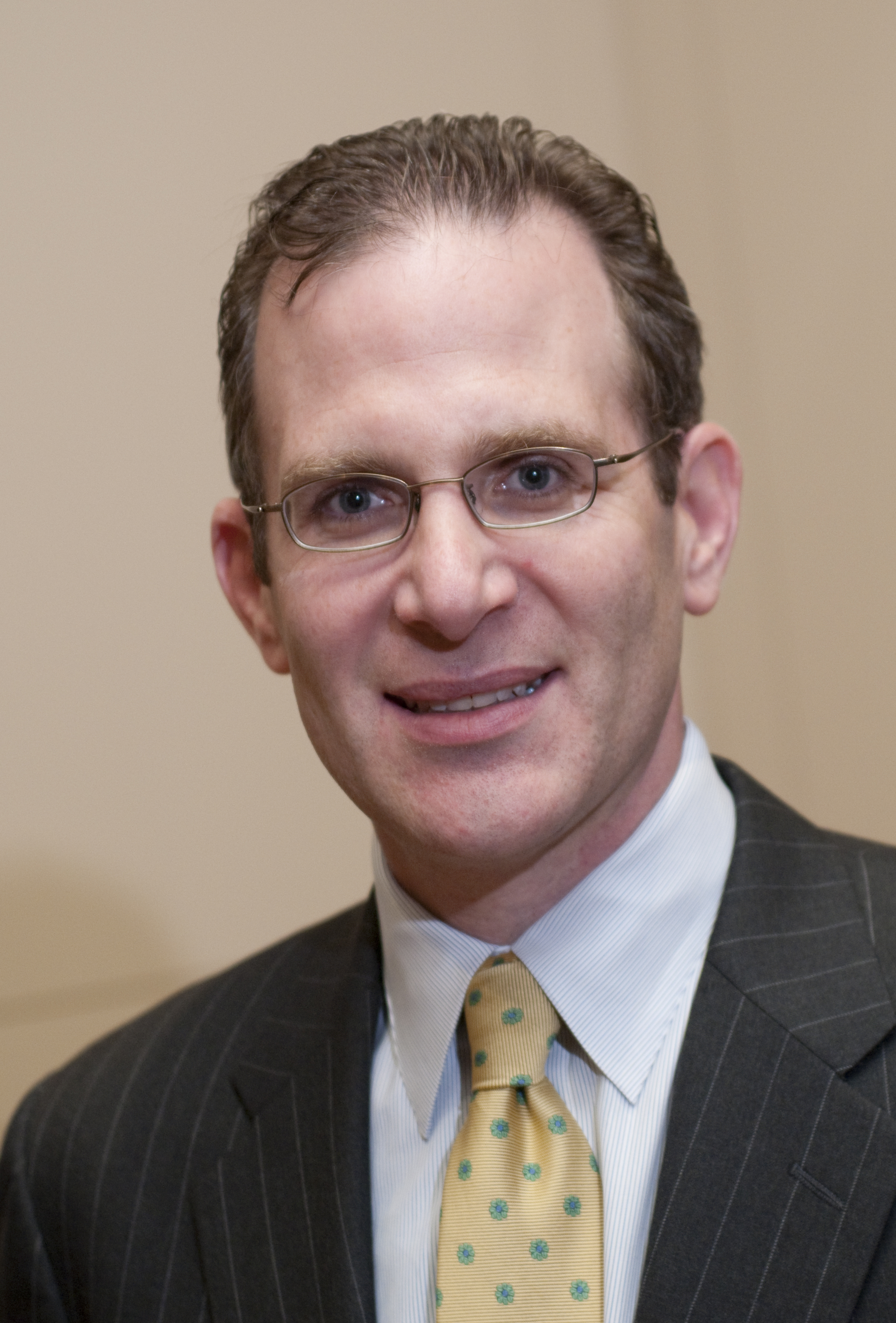
In honor of National Health IT Week Sept. 15-19, 2014, American Sentinel University offers tips to health IT professionals for gaining a competitive edge in the healthcare marketplace.
A recent study by HIMSS shows demand for qualified health IT professionals are at an all-time high and a candidate’s skill set is the differentiating factor when filling a position. The skill most desired is that of an IT professional that has clinical workflow and terminology experience. American Sentinel offers specialization in healthcare, giving students a competitive advantage in the clinical IT environment.
“Technology and healthcare are two ever-changing industries. When the two collide it creates dynamic and exciting challenges for health IT professionals,” says Blair Smith, Ph.D., dean of Informatics-Management-Technology programs at American Sentinel University. “Electronic Medical Record (EMR) implementation has become the focal point and while it offers tremendous capabilities, it also creates a multitude of challenges for today’s IT professionals. Those with in-demand skills will find themselves far more marketable.”
At the top of the list of challenges includes data management, application management, BYOD, patient privacy, HIPAA compliance, business intelligence and analytics and risk management.
The HIMSS study found that a higher percentage of respondents said that their organizations were interested in either training current employees or hiring recent graduates to fill needed positions, but 85 percent of respondents said their organizations faced barriers meeting their health IT needs. The majority cited a lack of qualified talent and 40 percent of those surveyed said they have open positions for which they cannot find qualified talent.
Guest post by Rhonda Collins, MSN, RN, chief nursing officer of Vocera.
Studies show that cell phones can carry more bacteria than a toilet seat. This is a disturbing topic for anyone, but should be duly noted by those of us in healthcare. With hospital cell phone policies changing, it’s crucial that we focus on infection control as a priority for any mobile communication device in the hospital. A Spyglass Consulting Group survey revealed that regardless of a hospital’s device policy, staff nurses are using personal smartphones to support clinical communications and workflow. In addition, a whopping 51 percent of hospitals plan to invest in or evaluate their smartphone solutions over the next 18 months.
This movement toward a more mobile healthcare workforce is an exciting change that will allow clinicians to become more connected to both patients and colleagues. While this change will make a sizeable impact on the way that hospitals operate, devices that are surrounded by the sickest patients are of greater concern as they can transfer bacteria both to and from the patient. This poses potential harm to everyone in the environment.
The Centers for Disease Control and Prevention (CDC) found that one out of every 25 hospital patients contracts a healthcare-associated infection (HAI). This means that about 722,000 patients face hospital acquired infections annually. The most common HAI that hospitals are seeing today include pneumonia (22 percent), surgical site infections (22 percent), gastrointestinal infections (17 percent), urinary tract infections (13 percent) and bloodstream infections (10 percent), all urgent and uncomfortable situations that pose a major threat to patient safety.
In a letter to HHS Secretary Sylvia M. Burwell, the College of Healthcare Information Management Executives (CHIME), the Association of Medical Directors of Information Systems (AMDIS) and 15 other healthcare organizations issued an immediate call to action to adjust the 2015 EHR reporting period to help hundreds of thousands of providers meet Meaningful Use Stage 2 requirements in an effective and safe manner.
Responding to the Centers for Medicaid and Medicare Services’ (CMS) final rule on meaningful use flexibility, the letter states the agency’s decision to require a full-year of reporting using 2014 Edition certified EHR technology (CEHRT) in 2015 puts many eligible hospitals and physicians at risk of not meeting Meaningful Use next year and hinders the forward trajectory of the program.
“We implore you to take immediate action by shortening the 2015 EHR reporting period to 90 days and by adding flexibility in how providers meet the Stage 2 requirements,” the letter states. “The additional time and flexibility afforded by these modifications will help hundreds of thousands of providers meet Stage 2 requirements in an effective and safe manner. This will reinforce investments made to date and it will ensure continued momentum towards the goals of Stage 3, including enhanced care coordination and interoperability.”
For the ninth year, national health IT week is in full swing, from Sept. 15 – 19, 2014. Those in healthcare, policy makers and stakeholders have come together to “collaborative forum for public and private healthcare constituents to discuss the value of health information technology (IT) for the U.S. healthcare system.”
HIMSS is again hosting a lineup of events and activities centered in the DC. According to the organization, the event is designed as health IT continues its advancement to “improve the quality of healthcare delivery, increase patient safety, decrease medical errors, and strengthen the interaction between patients and healthcare providers.”
For those of us in health IT, NHIT Week is a forum, a conversation starter and an awareness builder that assembles healthcare constituents dedicated to working together to elevate the necessity of advancing health through the best use of information technology. As a brand awareness campaign, the effort is paying off and bringing about deeper conversations with health IT game changers, leaders and those who wish to learn more about the ramifications of the technology on the overall landscape.
That said, and because of the importance of the event, I asked a few folks for their reaction to NHIT Week. Their responses follow:
Arvind Subramanian, president and CEO, Wolters Kluwer Health, Clinical Solutions
Arvind Subramanian
Vision, innovation, hard work and perseverance are foundational to any significant change for the better. These are fundamental components of the health IT movement—an ever-evolving landscape that has experienced tremendous successes, along with its share of challenges.
National Health IT Week offers a platform for celebrating progress and expanding awareness of the tremendous potential of health IT to advance healthcare’s broader goals of improved outcomes and lower costs. It’s an opportunity for those deeply involved in the movement and those watching it unfold from a distance to come together and remember what forms the core of its agenda: improving the human experience and saving lives.
Here at Wolters Kluwer Health, we have the advantage of seeing the outcomes associated with advances in clinical content integration, clinical knowledge management and data analytics every day. Whether it’s a highly effective response to a public health crisis or the ability to mitigate adverse outcomes through real-time patient surveillance, our clients are experiencing a transformation to more highly-effective care delivery.
QueueDr is a web app that practices can use in any browser to build and utilize a waitlist to fill appointments. First, they upload their existing waitlist and then after that they can add individual patients who call-in. Once an appointment opens, with a press of a button, texts are sent out to patients in the waiting list and the first one that texts back gets the appointment. Physicians see a pop-up on their screen and an email notifying them which patient is showing up.
The average appointment is filled in less than one minute because patients compete to fill the appointment. Once a patient fills an appointment, they are removed from the waitlist. They can also unsubscribe (and re-subscribe) at any time if they want. If a patient doesn’t show up, practices can press QueueDr’s “no-show” button in the “appointments” section then the next appointment is free to schedule.
QueueDr works on every browser. All patient data is encrypted when transferred and when stored. Only one person in the company has access to the data, and QueueDr does not sell or utilize the data.
Elevator pitch
We bring smiles to doctors’ offices with simple products that save time and make money. Our first product helps doctors fill missed appointments in than one minute which saves them two hours every time they use it, while shortening patient wait.
Guest post by Cliff Bleustein, M.D., M.B.A., chief medical officer, Dell Services.
For decades, reimbursement for the time spent coordinating care and keeping people healthy has been mostly non-existent. But the tide is turning, as government and private payers see that coordinated care and the time spent keeping people healthy can lower the amount of money they spend treating illness.
Primary care physicians are even seeing higher reimbursements in some areas. For example, beginning in 2011, CareFirst BlueCross BlueShield, the largest insurer in the Washington, D.C., area, substantially raised reimbursement rates for general internists and family practitioners who adopted the medical home model, which emphasizes care coordination. They also rewarded them with significant bonuses if they met quality standards and reduced costs. They also provided the physicians with round-the-clock nursing assistance to help with their sickest and riskiest patients.
CareFirst CEO Chet Burrell said in news reports that the program is saving “hundreds of millions of dollars in accumulated, avoided costs.”
Government payers are also reaping benefits from coordinated care, including Medicaid, Medicare and the Veteran’s Administration.
That’s good news for everyone. Coordinated care requires an upfront-investment in people and technology that is often beyond the resources of a primary care practice, but it is far less expensive than the business-as-usual, uncoordinated care that has seen costs rise at double the rate of inflation for most of the past two decades. If public and private health plans make that upfront investment, paying for the time and the needed resources, they can reap the financial benefits while patients reap the benefit of better health.
Guest post by Randy Hickel,manager of worldwide healthcare business development, Printing and Personal Systems Group of HP.
Mobility and BYOD trends in healthcare are a hot topic. With more healthcare businesses transitioning work processes to mobile platforms for increased collaboration and productivity, data security can be a major concern.
It’s clear that advanced mobile technologies allow healthcare employees – who are constantly on the move – to connect from anywhere, anytime; however, mobility can pose several challenges. By engaging with a health IT mobility expert, healthcare organizations can plan and build the appropriate infrastructure to manage various mobile devices, secure data and promote fluidity between paper and digital documents.
Prepare your IT infrastructure for BYOD
Personal devices in the workplace are quickly becoming the norm, rather than a trend, even in the healthcare industry. Administrative and medical staffs more frequently use personal devices, such as smartphones or tablets, to connect to work networks or enterprise systems. According to the Pew Research Center, in January 2014, 58 percent of American adults had smartphones and 42 percent had tablets. And for the first time ever, Americans used smartphone and tablet apps more than PCs to access the Internet.
Mobility focused IT experts can help healthcare organizations develop a mobile printing strategy that manages the growing number and diversity of mobile devices in the workplace, ensuring that staff can print securely using their mobile devices.
Through grants, sponsorships and employee volunteerism, Aetna and the Aetna Foundation are working to help improve the health of children and adults and to make the healthcare system more equitable and effective. Garth Graham, M.D., M.P.H., is the current president of the Aetna Foundation and former deputy assistant secretary at the U.S. Department of Health and Human Services (HHS) during both the Bush and Obama administrations. Here he discusses some of the most pressing issues he’s seeing, as well as the Aetna Foundation.
People are using wearable technology and smartphone apps for just about everything these days. How do you see the Aetna Foundation’s commitment to technology playing a role in reshaping health?
Digital health technology provides a powerful tool to reach people with real-time health solutions that fit easily into their daily lives. In early 2014, the Aetna Foundation significantly expanded its commitment to digital health technology and mobile health solutions. Our $4 million, three-year commitment will help to implement and evaluate technology innovations that can help reach underserved communities with health solutions.
But does this technology really impact underserved groups?
People from all walks of life are increasingly relying on technology and we are increasingly seeing technology being utilized more among underserved communities, which offers an opportunity for direct education to individuals that have been hard to reach in the past. In fact, adults living in poverty account for 56% of cell phone-only households (CDC), making mobile technology a powerful equalizer for low-income communities. One example of our work is the Institute for eHealth Equity’s Text4Wellness program that focuses on reaching African American women ages 19 to 55 in Cleveland, Ohio. Women are a key audience because they not only make decisions about their own health, but are also more likely to be the decision-makers in their homes regarding food choices, meal preparation and wellness activities. Through programs like Text4Wellness, we are helping underserved communities access the tools that they already use daily to impact their health.