Chronic conditions can significantly impact an individual’s quality of life, requiring ongoing attention and management. As such, the approach to addressing these conditions should extend beyond mere symptom management to encompass a holistic view of the individual’s health and well-being. In recent years, there has been a growing recognition of the importance of holistic approaches to chronic care management, which prioritize the integration of physical, emotional, and social factors into the treatment and support process.
Understanding Holistic Care
Holistic care recognizes that an individual’s health is influenced by various interconnected factors, including physical, mental, emotional, and social aspects of well-being. Rather than focusing solely on treating specific symptoms or diseases, holistic approaches aim to address the underlying causes of health issues and promote overall wellness. This comprehensive approach acknowledges the interplay between different aspects of health and seeks to empower individuals to take an active role in their own care.
The Role of Chronic Care Management
Effective chronic care management plays a crucial role in implementing holistic approaches to healthcare. By providing personalized support and guidance, chronic care management services can help individuals better understand and manage their conditions, improve medication adherence, and adopt healthier lifestyle habits. Moreover, these services facilitate communication and collaboration between patients, caregivers, and healthcare providers, ensuring that everyone is working together towards shared health goals.
Embracing Patient-Centered Care
Central to holistic approaches to chronic care management is the concept of patient-centered care. This approach prioritizes the individual’s unique needs, preferences, and goals, ensuring that care plans are tailored to meet their specific circumstances. By actively involving patients in decision-making processes and treatment planning, patient-centered care promotes a sense of ownership and empowerment, leading to better health outcomes and higher levels of satisfaction.
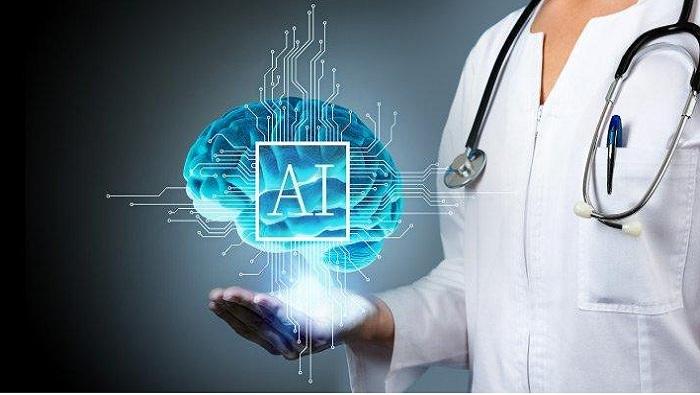
Over the last few years, artificial intelligence has become hugely prominent in society, and when it comes to healthcare that’s no different.
All parts of healthcare are now using it, and there are plenty of positives for it, whether it be personalised addiction treatment plans, spotting trends quicker and more efficiently, or improving diagnostics, there’s so much it’s improving.
However, are there concerns about AI taking such a prominent role in healthcare too?
Well, yes, there are. Mainly because there are some dangers that run alongside the positives too.
Erosion of patient privacy
That primarily lands with the lack of patient privacy. AI systems use huge amounts of sensitive data, which essentially means that the danger of misuse and unauthorised access is higher. While there are major security measures in place, patient records do become more vulnerable to hackers, which can lead to all manner of exploitation of such details.
Bias in algorithms
AI is always learning, but that also means that just like humans, there’s the opportunity of getting it wrong. For example, if the data used reflects existing societal biases then AI systems may inadvertantly discriminate against other groups, potentially leading to further inequality within the system.
Therefore, AI needs to be fed addressing such biases to ensure that how it operates reflects the entirety of society and not just one area.
Who’s accountable?
If AI becomes an increasingly bigger part in decision making, where does that leave accountability? Traditionally, whether it be addiction, cancer treatment, physio or anything else, there’s a clear chain of responsibility, with professionals accountable for their decisions.
While a human will likely still interpret the data given to them from AI, it still blurs the lines much more on accountability for diagnosis or course of treatment.
Misintepretation of data
AI is designed to enhance efficiency and accuracy, but there could be unforeseen circumstances where it doesn’t. Again, that falls into the accountability argument, but also could lead to incorrect diagnoses and courses of treatment that could prove dangerous.
Essentially, AI will benefit all parts of healthcare, but at the same time it needs to be monitored carefully by humans to get the best out of it. Artificial intelligence can’t replace medical professionals, but it can complement the practice of them, creating a much more streamlined process and ensuring patients are treated more efficiently and effectively.
By Venkatgiri Vandali, president of healthcare and lifesciences, Firstsource.
Solving the challenge of containing costs while improving revenue cycle operations despite labor shortages has a direct impact on a health system’s financial health and ability to serve patients. The good news is that automation solutions exist to streamline revenue operations, enabling revenue professionals to work at the top of their skill sets and giving patients better financial experiences.
Here’s a quick look at where and why automation can strengthen cash flow and revenue streams while patients and revenue professionals experience greater satisfaction.
Why should providers be concerned about the financial experience they deliver to patients?
Patients are now responsible for more of their health costs than ever. That means providers collect a higher percentage of revenue from patients. Other service providers—think credit cards, mortgage lenders, online retailers—have trained consumers (aka patients) to expect easy, seamless, digital payment processes. Healthcare payment processes are not easy or streamlined. That makes it difficult for providers to collect from patients, slowing revenues. Patients increasingly will choose healthcare organizations that make it easy for them to understand and pay their bills.
How can healthcare providers improve financial experiences with continuing staffing and cost containment pressure?
Many hospital revenue professionals spend most of their time on tasks that don’t require much skill, such as looking up data in a payer portal or calling payers to check on prior authorizations. Automation can take over those tasks, freeing time for revenue professionals to work directly with patients, offering financial counseling, helping them understand their insurance coverage and calculating their financial responsibility. Automation can also assist professionals in high value activities, such as by checking claims for accuracy before submission and flagging potential errors for review.
What’s the difference between robotic process automation and AI and machine learning?
Robotic process automation (RPA) is proven, cost-effective technology that automates time-sucking repetitive tasks. Using software bots, RPA mimics the keystrokes of human operators—including those needed to switch between applications and systems–and makes simple if/then rule-based decisions. A software bot can usually be trained and deployed in a matter of weeks.
AI and machine learning based automation is more sophisticated and often built on top of the processes and data accuracy improved by RPA. AI/ML solutions manage complex tasks that involve following business rules and making decisions based on the models’ data analysis. Such solutions often are more expensive and take longer to implement than RPA. They are best suited for providers that already have standardized processes and cleaner data from existing automation.
Private equity ownership of rural hospitals is growing, but so are concerns about the effects private equity firms can have on quality of care in small, community hospitals.
A new study reveals that care is riskier for patients at hospitals that are owned by private equity firms. Patients are more likely to fall, get new infections, or experience other forms of harm during their stay at a hospital acquired by a private equity firm. Researchers in the aforementioned study found the findings were alarming because they indicated an inference that financial incentives were deemed more important than patient care. There are at least 130 rural hospitals under the ownership of private equity.
Financial factors
Private equity ownership prioritizes short-term financial returns over long-term community needs. This can threaten services like obstetrics that lose money but are important to access.
When private equity-owned imaging centers and ambulatory surgery centers open near rural hospitals, it creates financial challenges. Private equity may restrict the number of Medicaid patients they accept, taking those patients with commercial insurance away from rural hospitals that accept all patients regardless of insurance status or ability to pay. This is problematic for rural hospitals, as Medicaid patients make up around 30% of their patient population. Examples include outpatient imaging centers and ambulatory surgery centers.
Studies have also found that patients experience worse clinical outcomes at hospitals owned by private equity. This could be due to reduced staffing levels that occur under private equity ownership. Private equity firms are known to cut costs through measures like decreasing nurse-to-patient ratios. For rural hospitals, which already operate on thin margins, competition for talented staff can be challenging.
The value of local relationships
Healthcare, like politics, is local. While many hospitals offer similar services, these offerings are tailored to the local population they serve based on various factors, including religion, culture, key employers and, yes, even weather. And the smaller the hospital and its service area (imagine a map of a rural hospital’s primary service area), the more tailored services are for the population they serve.
The rural hospital where I work, Katherine Shaw Bethea Hospital in Dixon, Ill., prioritizes keeping physicians and providers local. Having doctors and nurses who live in the community allows for personalized care tailored to each patient’s individual needs. This level of personal attention may be lost at larger hospitals with absentee ownership.
With healthcare workforce shortages growing more critical, policymakers are considering avenues to significantly expand clinical education programs, and academic institutions with health education programs must prepare for more medical, nursing, and allied health students to meet growing hiring demands — some proposals before Congress call for doubling and tripling health training programs.
The imperative for higher education institutions to integrate on-the-job learning extends beyond healthcare studies. Students and parents are demanding a more defined trajectory from education to employment regardless of the learners’ chosen major.
Exemplified by the healthcare education model of clinical rotations, experiential work-integrated learning — defined workplace experiences included in coursework — is becoming increasingly vital for academic institutions to incorporate into their programs.
But — as any health education administrator can attest — managing students’ workplace learning can be cumbersome, particularly when using traditional, manual processes. Software that automates the many moving parts of students’ workplace assignments can be crucial to an institution’s success for several reasons, while simultaneously better meeting the workforce demands of employers. Here’s how.
Smart technology that manages workplace learning assignments like clinical rotations gives institutions many advantages; for example, InPlace Software handles every step of managing students’ clinical learning, from workplace matching and assigning students, to tracking and grading their performance, and collecting feedback from clinical supervisors. That’s a significant time saver.
Cerebral palsy care is crucial in ensuring individuals have the support they require. This care does come with challenges and difficulties, however, seeking cerebral palsy compensation is vital, as this will help people to explore the different advancements that come with using assistive technology.
In this article, we are going to look at assistive technology and the role it plays in delivering this care.
Empowering Technological Solutions in Cerebral Palsy Care
Cerebral palsy care is transforming and that is down to assistive technology, and that makes this technology pivotal. These innovative solutions offer individuals avenues to enrich their daily lives, fostering independence and confidence.
Specialised devices, applications, and adaptive tools continually evolve to meet the distinct needs of those with cerebral palsy, providing tailored solutions that significantly contribute to their well-being and autonomy.
The outlook for cerebral palsy care is changing, but this technology is empowering individuals. With these tools seamlessly integrated into their daily routines, it creates a positive impact on their overall quality of life.
Enhancing Mobility
Assistive technology plays a pivotal role in enhancing mobility for individuals facing challenges in this domain. Cutting-edge wheelchairs equipped with intuitive control systems, alongside exoskeletons designed to aid ambulation, empower individuals to transcend physical limitations.
These technological solutions not only facilitate greater freedom in navigating their surroundings but also contribute to an improved quality of life. The integration of innovative mobility devices aligns with the commitment to providing tailored support, allowing individuals to overcome obstacles and engage more actively in their daily activities, fostering a sense of autonomy and well-being.
Facilitating Communication
Communication can come with challenges, especially when we consider cerebral palsy. However, assistive technology is driving change and bringing hope to those who live with the condition.
Augmentative and alternative communication (AAC) devices, along with eye-tracking communication systems and speech-generating devices, play a pivotal role in empowering individuals to express themselves. These innovative solutions contribute to fostering meaningful connections and actively work towards reducing communication barriers.
By providing tailored communication support, assistive technology is massively transformative, enabling individuals to engage more freely with their surroundings and connect with others on a deeper level.
Supporting Education
The integration of assistive technology extends its impact to the educational sphere for individuals with cerebral palsy. Custom software applications and adaptive learning tools create a more inclusive and accessible learning environment, ensuring equal opportunities for exploration and growth.
Empowering Independence
Assistive technology goes beyond being a set of aids; it elevates the potential for independence and autonomy. Recent advancements in this field aim to empower individuals with cerebral palsy to unleash their capabilities, fostering a profound sense of self-reliance beyond the traditional boundaries imposed by physical constraints.
By offering tailored solutions that cater to unique needs, assistive technology becomes a catalyst for individuals to navigate their daily lives more independently, ultimately contributing to a more inclusive and empowering environment.
Customisation and Personalisation
A defining feature of modern assistive technology is its ability to be customised to individual needs. From personalised communication interfaces to tailored mobility solutions, technology adapts to the unique requirements of each person with cerebral palsy, ensuring seamless integration into their daily lives.
This focus on customisation not only enhances the efficacy of assistive devices but also fosters a sense of personalisation, empowering individuals to deal with the challenges they face with tools specifically designed to address their distinct needs.
This shift towards personalised solutions contributes to a more inclusive and supportive environment, where assistive technology becomes an integral part of each individual’s journey towards increased independence and improved quality of life.
Cerebral Palsy Compensation and Assistive Technology
If we look at this from a legal angle, cerebral palsy compensation does have a link with the integration of assistive technology. Compensation addresses the challenges and needs arising from cerebral palsy, providing resources to access advanced and tailored technological solutions that significantly enhance daily life.
Looking ahead at the role of assistive technology
It is becoming clear that assistive technology and cerebral palsy care can go hand in hand, and they are. The outlook is changing rapidly and that is a massive positive for those with the condition.
What makes it so useful is that it helps to deal with challenges, however, it can assist in creating a better future. All of this means that individuals with cerebral palsy can do more and hope for more as technology advances further.
That said, the synergy between cerebral palsy compensation and assistive technology symbolises a commitment to improving the lives of those with cerebral palsy. It is a fusion that goes beyond conventional boundaries, offering not just tools but empowerment.
As we explore this field of innovation and possibility, the promise of a more inclusive and enriched future for individuals with cerebral palsy becomes increasingly tangible.
Responses from Matthew Hawley, EVP, payment integrity, Cotiviti.
Matthew Hawley leads operations and content development for Cotiviti’s prospective payment integrity and fraud, waste, and abuse solutions. He brings more than 30 years of healthcare experience to his role as executive vice president of payment integrity operations for Cotiviti and has been with the organization since 2004.
With the U.S. healthcare system constantly shifting and facing new challenges, it is critical for healthcare leaders to adapt to these changes and leverage proven, technological solutions to solve problems. Here, Hawley shares his insights on how taking a data-driven approach is vital to preventing fraud, waste, and abuse in the healthcare industry and how healthcare organizations can operate more efficiently to optimize patient care.
What are a few significant changes you expect to see in the year ahead, and how can data-driven approaches help healthcare organizations navigate these shifts?
The U.S. healthcare system has been experiencing a rapid evolution marked by new therapies, changing care sites, and fast-paced technological innovation. As healthcare leaders adapt and prepare for more shifts in 2024, forward-thinking, data-driven approaches will be key for supporting payment integrity while capitalizing on emergent new ways to optimize patient care. For example, analytics can identify areas at highest risk for fraudulent, wasteful, or abusive spending—such as billing for non-traditional care sites—and also uncover trends in utilization that could indicate unmet needs among certain populations.
Data-driven approaches will also become increasingly important to prevent inappropriate payments as more complex specialty drugs and gene therapies emerge with million-dollar price tags. Looking forward to 2024 and beyond, payers and providers must collaborate to ensure future innovations in medical technology and treatment are billed and delivered appropriately to improve patient health while protecting members’ plan benefits.
By Tim Bristol, PhD, RN, CNE, ANEF, FAAN, director of strategic planning, NurseThink, Wolters Kluwer Health.
The ever-worsening nursing shortage is taking the United States by storm, with nearly 800,000 nurses planning to leave their roles or retire by 2027. Unfortunately, nursing education is not immune to this crisis.
The American Association of Colleges of Nursing (AACN) reports that 8.8% of faculty positions are vacant at U.S. nursing schools and additional positions would need to be created to meet student demand. Without enough faculty, this has a serious impact on the capacity and effectiveness of nursing education programs as nursing schools are already being forced to turn away qualified applicants. Fortunately, while faculty shortages won’t be solved overnight, advancements in instructional technology can help fill the gap.
One key challenge facing nursing education is that the curriculum is not set up to teach students in a way that mirrors real-world practice. While new nurses today will often face greater challenges – and often higher caseloads – than ever before, nursing students are not being adequately trained to face this reality. In many ways, today’s nursing classrooms look no different than the classrooms students may have encountered in 1993.
But a lecture hall looks very different than the chaotic hospital setting new nurses will actually experience. To help ensure students build skills and engage in clinical judgement, even if faculty numbers are limited, incorporating electronic health records and virtual simulation into their daily education can make a major difference.
Electronic health records are not optional
While electronic health record (EHR) systems are a highly discussed technology across the healthcare landscape, they have been shown to reduce errors and lower medical costs. Needless to say, EHRs are here to stay across healthcare and something that care teams need to use, every day. However, they can only positively impact healthcare as a whole if nurses are trained to use them effectively and efficiently before they encounter them in clinical practice.
It’s important for faculty to understand how easy it is to implement EHRs into the daily classroom experience. Students could simply login to a basic, blank EHR and enter data based on a case study or challenge given by their instructor. For example, students could be tasked with entering a blood pressure reading that would indicate that they should hold (not give) a patient medication to lower their blood pressure. When faculty allow students to experience this type of activity, they are learning in the same way in which they will be using EHRs in practice. This is something that could easily be incorporated into nursing classrooms, even in a lecture hall of more than 100 students.


 By David L. Schreiner, Ph.D., FACHE