For healthcare providers, IT professionals, and hospital executives, the discharge process is a critical juncture in a patient’s care journey. When executed effectively, it ensures continuity of care, reinforces patient understanding, and promotes recovery. When done poorly, it can trigger any number of adverse outcomes—from medication mismanagement and missed follow-ups to costly, avoidable readmissions.
As value-based care models continue to shift incentives toward improved outcomes and lower costs, hospital discharge processes need to improve. Fortunately, reducing readmissions is an achievable goal—and technology can play a pivotal role in making it happen. By modernizing communication, increasing care team collaboration, and giving patients direct access to support after leaving the hospital, healthcare organizations can create a safer, more connected discharge experience.
The Consequences of Inefficient Discharge
Every discharge is a high-stakes handoff. Patients move from a tightly managed hospital environment to home or another care setting where oversight is minimal and resources may be limited. Without clear instructions, seamless coordination, and easy access to care providers, many patients fall through the cracks.
This breakdown in care continuity has measurable consequences. Nearly one in five Medicare patients is readmitted within 30 days because of issues that could have been prevented with better discharge planning or faster follow-up. These readmissions not only impact patient outcomes but also result in financial penalties under CMS’s Hospital Readmissions Reduction Program (HRRP).
For administrators, this isn’t just a clinical problem—it’s a bottom-line issue. Beyond reimbursement losses, readmissions can damage hospital ratings, increase workload for clinical staff, and lower patient satisfaction scores. Addressing the root causes of readmissions is no longer optional; it’s a strategic priority.
In 2018, the head of the Centers for Medicare and Medicaid Services issued a challenge to health IT developers and providers alike to “help make every doctor’s office in America a fax-free zone by 2020.”
The challenge was issued out of frustration with a vital workflow that remains reliant on outdated fax technology. Each year, healthcare providers exchange over 9 billion fax pages, driving an estimated $125 billion in costs across the healthcare system.
The continued reliance on fax technology is a persistent challenge for healthcare, undermining data integrity and operational efficiency. Studies by DirectTrust reveal alarming statistics: 30% of tests must be re-ordered due to lost faxes, and 25% fail to arrive on time for patient visits. Additionally, integrating faxes into health systems often demands manual indexing—an expensive and time-intensive task many organizations can ill afford.
Fortunately, automation offers a solution. Machine Learning and Generative AI are particularly adept at handling repetitive tasks such as fax indexing. While achieving perfect accuracy from the outset is unlikely, pairing AI-driven Digital Workers with human oversight ensures exceptions are managed effectively. Over time, as AI systems learn and adapt, they can assume more complex responsibilities.
To succeed, this model requires a carefully designed workflow that balances human expertise with AI capabilities to meet quality, timeliness, and accuracy standards.
Building the Digital Workforce
A successful hybrid fax indexing strategy relies on a carefully designed digital workflow model that effectively coordinates efforts between human staff and Digital Workers. The process begins with identifying the necessary technologies, which is best accomplished by observing human indexers to gain a comprehensive understanding of their workflows and unique requirements. This insight informs both implementation planning and feasibility testing.
FriskaAi, a groundbreaking healthcare platform that leverages advanced AI and mobile technology to empower individuals to take control of their health journey in partnership with their physician, has launched a slimmed-down version of its Friska NutriAi platform revolutionizing nutrition and wellness through the power of AI.
Available at no cost to consumers, this special version of Friska’s nutrition management tool provides personalized dietary guidance to enhance well-being, manage chronic diseases, and optimize health outcomes.
“Good nutrition enhances productivity, learning, and emotional well-being, making it the cornerstone of a healthy lifestyle,” says FriskaAi CEO Shaji Nair. “Friska NutriAi is a convenient and effective way to plan healthy meals and optimize daily nutrition to achieve various health goals, all backed by the latest research and dietary expertise.”
Built on the latest advancements in nutritional science, AI, and health analytics, Friska NutriAi represents the collaborative efforts of leading dietitians, physicians, and data scientists to ensure that every recommendation is backed by credible research. The free version can be accessed at https://friskanutriai.com/. Users create an account and answer several questions about their medical history, lifestyle, and dietary preferences and habits. Powerful AI algorithms analyze the information and generate customized nutrition plans tailored to their specific goals.
“Healthy eating doesn’t have to be complicated. Friska NutriAi makes it easy for anyone who wants to take their nutrition to the next level, regardless of where they are on their health journey,” says Fjorino Musaku, M.Ed, CDCES, professor at Henry Ford College and nutrition expert with FriskaAi. “Customized meal plans consider any dietary restrictions, allergies, and medical conditions to recommend foods that support individual health and wellness goals.”
AI-Powered Nutrition Support
The comprehensive version of Friska NutriAi leverages advanced AI algorithms to provide individuals with evidence-based, actionable nutrition recommendations based on real-time data and health analytics. Backed by nutritionists and healthcare professionals, Friska NutriAi supports individuals with chronic conditions requiring dietary adjustments, such as diabetes, hypertension, and high cholesterol. It is also ideal for anyone seeking weight management support, optimal nutrition guidance, or age-appropriate dietary recommendations for longevity and wellness.
“Designed to meet comprehensive nutrition needs, Friska NutriAi helps physicians and other clinicians provide patients with personalized nutrition support. For consumers, it helps athletes and fitness enthusiasts optimize performance through nutrition and is an easy, convenient, and healthy meal planning solution,” says Nair.
The platform, which syncs with wearable devices and EHR systems for a comprehensive health overview, provides:
?????Meal planning and recipes that accommodate dietary preferences.
?????Nutritional coaching with certified nutritionists.
?????Smart grocery lists based on NutriAi-generated meal plans.
?????AI-driven food recommendations based on taste preferences and health goals.
?????Micronutrient tracking ensures balanced nutrition by monitoring essential vitamin and mineral intake.
?????Allergy and intolerance customization to accommodate dietary restrictions and allergies.
?????Family meal planning that simplifies meal prep with tailored plans catering to the household’s needs and preferences.
Physician-Directed Mobile Wellness
Friska NutriAi is part of FriskaAi, a powerful AI-enabled EHR-agnostic platform that can address up to 80% of chronic diseases, including diabetes and obesity, by helping providers take an evidence-based approach to preventive care. It leverages advanced AI and mobile technology to generate personalized health insights and recommendations, thereby empowering patients to take control of their health journey in partnership with their clinical team.
Enrollment in FriskaAi is initiated through the physician’s office, ensuring seamless integration into the healthcare experience. Once enrolled, patients use the FriskaAi mobile app to track health data, communicate with the practice, and receive personalized health insights and wellness plans. The powerful, HIPAA-compliant FriskaAi duo securely collects and analyzes vast amounts of clinical data and studies supplemented by information from the patient’s smart devices and health apps.
When FriskaAi is integrated with the practice’s EHR or practice management system, the data is stored directly in the patient’s EMR to help inform care decisions. Data is continuously monitored and analyzed by sophisticated AI-powered algorithms that alert the patient when action is recommended and generate actionable reports for use by the clinician at the point of care. Aggregated health data is also analyzed to help physicians identify patient population health trends and risks, enabling preventive care strategies and interventions.
“FriskaAi helps physicians who are interested in adding aspects of preventive or lifestyle medicine into their care plans provide patients with mobile access to robust and holistic health tools that bring together wellness plans that address chronic conditions and achieve desired health outcomes,” says Nair.
MDaudit, an award-winning cloud-based continuous risk monitoring platform for RCM that enables the nation’s premier healthcare organizations to minimize billing risks and maximize revenues, today announced the latest AI-powered enhancement to its award-winning revenue integrity platform.
AI Assist leverages artificial intelligence (AI), machine learning (ML), and natural language processing (NLP) to instantly transform an overwhelming volume of billing, audit, and payment data into clear, intelligent, and actionable insights.
Intuitive and easy to use, revenue integrity professionals simply type in their questions in natural language into AI Assist, which automatically computes complex formulas and instantly returns clear, concise, and actionable responses, regardless of the query’s complexity. AI Assist is also intuitive, ensuring that follow-up questions are addressed as precisely as the original query and as quickly as they would be if they were posed during a discussion with RCM peers.
“Effective revenue cycle management hinges on strategic decision-making informed by actionable insights that drive financial outcomes. More data behind those insights should translate into better decisions, not greater risk. Yet absent the proper tools to manage it, the sheer volume and complexity of healthcare data can overwhelm even seasoned RCM professionals. AI Assist is transformative in this situation,” says Lee-Ann Ruf, Senior Vice President, Product Management, MDaudit.
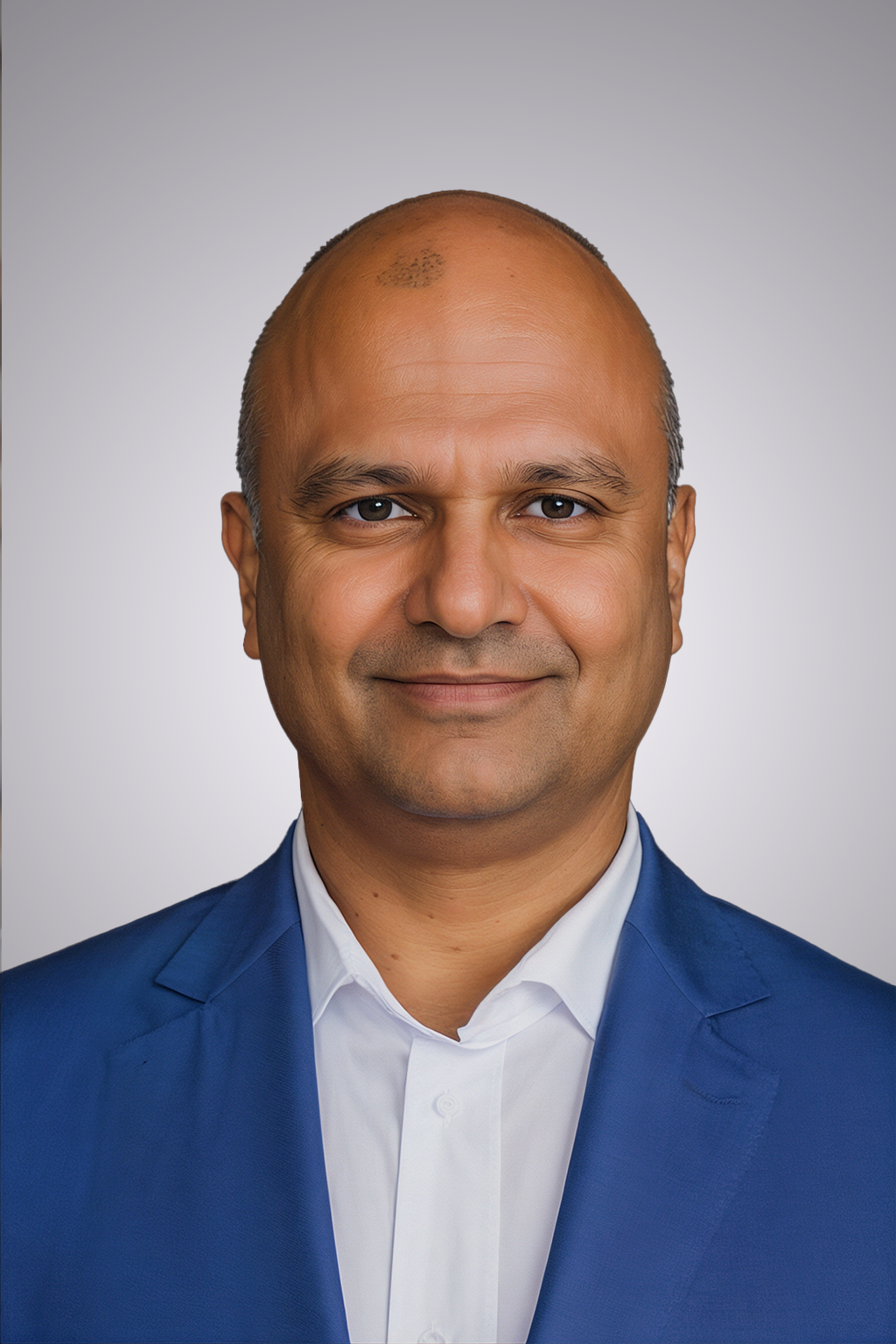
Ritesh Ramesh
“AI Assist boosts human productivity and speed-to-value by transforming how revenue integrity teams interact with data to make smarter and more strategic decisions. We are leveling the playing field by preventing these teams from getting bogged down by the need for highly technical or advanced data analytics skills,” says Ritesh Ramesh, CEO, MDaudit. “Whether identifying top denial drivers, tracking audit outcomes, or uncovering revenue opportunities, AI Assist maximizes operational efficiency to understand revenue risks and opportunities. It is simple to use and does not require AI expertise or experience.”
Electronic health record (EHR) vendors are accelerating their adoption of artificial intelligence, aiming to enhance clinician workflows, improve patient care, and remain competitive in an evolving healthcare landscape.
Leaders including Epic and Oracle are integrating AI-driven capabilities into their platforms to help alleviate administrative burdens and boost productivity in an industry grappling with rising costs and clinician burnout.
The move signals a pivotal shift in the role of EHR systems, which have long been criticized by healthcare professionals for their complexity and time-consuming documentation requirements. By leveraging AI, vendors seek to modernize digital health records and make them more intuitive, efficient, and beneficial for both providers and patients.
Addressing Clinician Pain Points
Healthcare professionals often cite EHRs as a source of frustration due to their intricate interfaces and excessive data entry demands. While these systems were originally implemented to digitize and streamline medical documentation, they have frequently been viewed as more of a bureaucratic necessity than a tool designed to support clinical decision-making.
Leigh Burchell, chair of the Electronic Health Records Association, told Healthcare Dive of the need for AI to alleviate administrative strain rather than replace physicians. “Doctors are not looking for AI to act as a doctor or step into their place. They want help with administrative burdens—tasks that take time after a visit to document—so they can focus on patient care,” Burchell explains.
Venture capital firm Bias Capital has announced the cancellation of its $25 million Series A investment in Parker Health, citing serious concerns uncovered during its due diligence process. The firm stated that its investigation identified potential fraudulent activities, including misleading financial disclosures and operational irregularities.
In a statement, Bias Capital’s General Partner, Maximillian Naza, emphasized the importance of ethical business practices in investment decisions. “Our responsibility as investors is clear: we will not support a company that compromises transparency and ethical standards,” Naza said. He encouraged investors with concerns about Parker Health to seek legal counsel or contact Bias Capital for more information.
What Happened?
Parker Health, a health technology company founded in 2019 by Vincent Lopez, aimed to transform healthcare with its proprietary Health Management System™. The company has been involved in policy discussions on U.S. Health IT standards and was working on a SMART hospital project in West Texas. However, Bias Capital’s announcement suggests that internal financial and operational inconsistencies raised red flags, prompting the firm to withdraw its funding.
Key figures at Parker Health, including CEO Vincent Lopez, CFO Anthony Lopez, former CTO Chris Parker, and CMO Phillip McDonalds, have been named in Bias Capital’s statement.
While specific details about the alleged irregularities remain undisclosed, Bias Capital says it will work with relevant authorities to investigate further.
The withdrawal of a major investment signals potential instability at Parker Health, raising questions about the company’s financial health and long-term viability.
Amid a 125% rise in coding-related denials and a 140% increase in inpatient medical necessity denials, 2025 will see healthcare providers deploying real-time financial risk monitoring as a cornerstone of stability.
Adding to the urgency around overhauling revenue cycle management (RCM) strategies to prioritize revenue optimization and risk mitigation is a fivefold increase in total “at risk” dollars to $11.2 million and a doubling of external audit volume in 2024 over 2023—including a sizable increase in pre-payment audits and their propensity to exacerbate cash flow issues and expose providers to potentially higher denial rates.
These headwinds, coupled with slower reimbursement timeframes, tempered any gains from improved revenues and operating margins in 2024 and threatened healthcare providers’ financial stability—a backdrop of challenges that are among the key findings of the recently released 2024 MDaudit Annual Benchmark Report.
The annual report’s findings elevate the transformation of RCM into a strategic imperative for health systems in 2025. They highlight the pressing need to continuously monitor financial risk to proactively mitigate issues before they impact operations.
Impending Financial Risks
The Benchmark Report is a comprehensive examination of real-world data representing the first three quarters of 2024 collected from a network of more than 650,000 providers and over 2,200 facilities that provide data to MDaudit for auditing, charge analysis, and denial assessment. It encompasses insights from more than $8 billion in audited professional and hospital claims and more than $150 billion in denials by commercial and government payers. Over 5 billion claims and remits were used for benchmarking.
At the end of the year, it is both natural and vital to spend time reflecting on the highs and lows of the past 365 days (or, in the case of 2024, 366 days). Much like its predecessors, 2024 was full of rapid change, incredible innovation, and persistent challenges. As we brace for another transformational year ahead, it’s clear that technological and political tailwinds will drive big shifts across the industry.
From AI-driven innovations to sweeping government reforms, opportunities and risks abound – which makes it even more critical for healthcare executives and leaders to have practical insights for navigating the uncertain times ahead. This Q&A dives into some of the biggest factors expected to impact healthcare in 2025 and offers advice to ensure that businesses and policies can drive meaningful progress for the healthcare industry and the people it serves.

 y Thomas Thatapudi, CIO,
  of Friska’s nutrition management tool provides personalized dietary guidance to enhance well-being, manage chronic diseases, and optimize health outcomes.
 Electronic health record (EHR) vendors are accelerating their adoption of artificial intelligence, aiming to enhance clinician workflows, improve patient care, and remain competitive in an evolving healthcare landscape.