Tag: Harris Data Integrity Solutions

M&A and Patient Data Integrity: An interview with Rachel Podczervinski and Julie Pursley of Harris Data Integrity Solutions

Merger and acquisition (M&A) activity continues at a rapid pace, posing a risk to data integrity. As impacted hospitals and health systems seek to consolidate their operations and technologies, duplicate and crossover records surge.  While these errors present immediate challenges, the longer-term concern lies in maintaining the accuracy and integrity of patient data across newly merged systems.
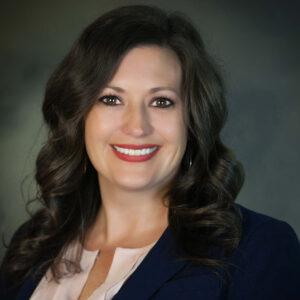
Rachel Podczervinski

We sat down with Harris Data Integrity Solutions’ executive vice president, Rachel Podczervinski, MS, RHIA, and director of industry relations, Julie A. Pursley, MSHI, RHIA, CHDA, FAHIMA, for an in-depth exploration of the obstacles confronting those tasked with maintaining the accuracy of patient data in a rapidly consolidating healthcare environment.

Electronic Health Reporter (EHR): What are the key components of and best practices for data conversion planning during M&A processes, particularly concerning the Master Patient/Person Index?

A critical component is the meticulous analysis and documentation of an MPI’s “current state” and the envisioned “future state.” This involves a thorough review of database structures for both existing and forthcoming systems, as well as the assessment of current and future medical record numbers (MRNs).

Julie A. Pursley

Additionally, engaging key stakeholders is vital for developing a comprehensive strategy that addresses the diverse needs of the organization. Selecting the right tools for duplicate and crossover remediation helps ensure accuracy and integrity throughout the MPI management process. Clear MPI data extract specifications are essential for capturing all available identifiers for each patient from the system. Finally, conducting a frequency analysis on key demographic data fields can uncover patterns and outliers, reveal the structure of MRNs across facilities, and highlight any structural adjustments needed for the new system.

For testing and validation, verify the accuracy of the extract by cross-referencing patient information and conducting targeted spot checks. Ensure that accounts marked for retirement are excluded from the extract to prevent duplicates from being created during subsequent analysis. This reduces the workload for health information teams and maintains data integrity throughout the extraction process.

Develop strategies to manage duplicate records, safeguarding data accuracy and integrity.  Establish clear protocols and guidelines for resolving duplicates and reconciling crossovers. Finally, define a threshold for acceptable error rates and allow sufficient time to rectify errors before that threshold is reached.

Several best practices can be used to ensure seamless integration:

M&A activity inherently increases the risk of disrupting the integrity of patient data as organizations merge disparate systems. Strategic planning and best practices that focus on aligning people, processes, and technology can mitigate these risks and help navigate the intricacies of pre- and post-merger MPI management with confidence and effectiveness.

EHR: Why are the Caring Algorithm and the Humans-in-the-Loop model essential aspects of a patient data integrity strategy, particularly during M&A activity?

Caring Algorithms adhere to an AI governance framework that prioritizes safeguards and promotes ethical usage while accurately identifying individuals and supporting fair and unbiased identity decisions across diverse patient populations. Importantly, Caring Algorithms incorporate a human-in-the-loop review mechanism for those matches where the algorithm is not 100% certain. Doing so acknowledges both the limitations of automated algorithms and the potential for automation to impact safety and care coordination by introducing gaps in patient identification.

Ideally, the human-in-the-loop review leverages a variety of tools beyond the matching algorithm to validate discrepancies. These include rules targeting specific matching elements, data standardization tools, and third-party resources that supply historical demographics such as names, addresses, and phone numbers from credit institutions and public utilities.

Harris Data Integrity Solutions (HDI) recently analyzed 137,080 pairs (two patient records) of potential duplicates. What we found highlights how initial decisions made by third-party data can change when a human-in-the-loop review is incorporated into the workflow.

These findings clearly indicate that the presence of both Caring Algorithms and a human-in-the-loop oversight mechanism is vital to restoring and retaining data integrity before, during, and after a merger.

EHR: What role do information technology professionals play in properly leveraging AI to resolve duplicate records during M&A activities and mitigate its impact on data integrity?

Automation can reduce the need for human intervention, but it cannot completely replace it.  Without clear boundaries, governance, and safeguards, AI’s limitations can create gaps that require human review and intervention.  While humans are responsible for many—but not all—patient identification errors, they are essential to identifying, verifying, and correcting them.

AI-enabled technologies such as EMPIs with advanced algorithms, biometrics, MLMs, and predictive analytics with augmented data are powerful but imperfect. They may overlook inconsistencies and cannot make contextual judgments and decisions based on nuanced considerations. These require judgment and decision-making, creativity, innovation, and agility, as well as emotional intelligence and empathy—decidedly human qualities that are critical to handling the complexity of patient data.

EHR: How do health information professionals contribute to navigating complexities such as person matching, error management, and collaboration with registration partners during M&A?

A critical role of health information professionals is managing the accuracy and accessibility of patient data across multiple systems, making them vital to successfully navigating the complexities of maintaining data integrity during M&A. Accurate patient identification ensures that health data seamlessly follows the patient across the continuum of care post-merger. Health information professionals are responsible for establishing standardized data capture practices and training staff to ensure that these standards are consistently maintained.

They also safeguard the ongoing integrity of the EMPI, enabling seamless information sharing across systems, a capability that is especially critical for large, multi-facility health systems. As consolidation accelerates across the healthcare industry, health information professionals will continue playing a central role in maintaining data integrity and ensuring that accurate patient information is available whenever and wherever it’s needed across the continuum of care.

EHR: Where is the industry with patient matching IDs? Any movement? Any hope?

While there is no federal movement toward implementing a unique patient identifier (UPI) in the U.S., Congress has introduced bipartisan legislation with the Patient Matching and Transparency in Certified Health IT (MATCH IT) Act of 2025. This bill aims to improve patient safety and privacy by decreasing patient misidentification while promoting interoperability.

AHIMA updated and launched the Naming Policy Framework 2023: Enhancing Person Matching With Essential Demographic Data Elements to help capture standardized data and assist in identifying patients in health IT systems. A national workgroup reconvened this year to update the resource, providing a one-of-a-kind standard in the industry due to the lack of a national patient identification and matching strategy.

Other initiatives are also advancing patient identification. Patient ID Now released a framework for a national strategy for effective patient identification and matching and continues working to remove legislative barriers that hinder the exploration of a unique patient identifier. Additionally, Project US@ published a technical specification for collecting patient addresses, supported by a companion guide from AHIMA that provides operational guidance and best practices.

EHR: What are some of the things that inspire you most about where the industry is going long term, based on what you’re seeing through your work?

We are inspired every day by the opportunity to work alongside exceptional health information professionals, including those on the HDI team and within client organizations and professional associations. Their dedication to safeguarding data integrity directly influences the quality of care delivered to our patients, our loved ones, and ourselves.

Harris Data Integrity Solutions Taps Julie Pursley as Director of Industry Relations 

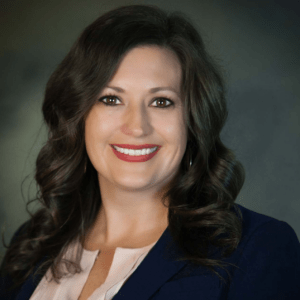
Julie Pursley

Harris Data Integrity Solutions, the leading provider of best-in-class person data integrity services and software, announced today the appointment of Julie Pursley, MSHI, RHIA, CHDA, FAHIMA, as its director of industry relations.

In this role, which oversees all facets of sales activities, Pursley will focus on building team and client success and business operational efficiencies through a strong blend of management, strategic selling principles, industry presence, and thought leadership.

“Julie’s experience, reputation as a change agent in the evolving health information landscape, and her focus on ensuring the integrity, accuracy, and completeness of health data complements Harris Data Integrity Solutions’ commitment to providing innovative person matching and MPI management solutions and services,” says Rachel Podczervinski, MS, RHIA, senior vice president, Harris Data Integrity Solutions. “We are fortunate to have her as part of our team and are excited to see the results of her focus on leading and cultivating strategic initiatives and to promote thought leadership and best practices in health information management.”

A recognized health information professional with broad expertise in health data integrity, interoperability, and industry relations, Pursley’s health information career spans more than 30 years and a variety of roles and settings. Prior to joining Harris Data Integrity Solutions, she was senior director of knowledge practice with AHIMA, where she previously served as senior director and director of health information thought leadership. Her academic career includes her current position as an adjunct professor with Charter Oak State College. She also served as a trusted advisor, patient identification and matching optimization sales executive, health information leader for an integrated healthcare delivery system, and owner of a regional medical transcription service.

Pursley is a prolific author, educator, and renowned public speaker who has shared her insights and expertise to audiences in the US and abroad. She holds a Master of Science in Health Informatics and a Bachelor of Science in Health Information Administration from the University of Cincinnati.

About Harris Data Integrity Solutions

Harris Data Integrity Solutions delivers industry-leading data integrity services and software to reduce duplicate medical records and minimize the ongoing cost of maintaining quality patient data. Created by the integration of two data integrity powerhouses, Just Associates, Inc. and QuadraMed Corporation, Harris Data Integrity Solutions offers the unparalleled depth and breadth of industry expertise and the commitment to ongoing innovation necessary to meet the changing needs of patients and healthcare organizations. Designed to address the broad spectrum of challenges associated with person matching and data integrity, its suite of advanced technology solutions and services includes CuraMatch automated duplicate resolution, SmartIX Enterprise Master Patient Index (EMPI) and MPI Clean-up Services. For more information, visit www.harrisdataintegritysolutions.com.

Harris Data Integrity Solutions Promotes Rachel Podczervinski To Senior Vice President

Rachel Podczervinski

Harris Data Integrity Solutions, the leading provider of best-in-class patient data integrity services and software, announced today the promotion of Rachel Podczervinski, MS, RHIA, to Senior Vice President. In her new role, Podczervinski oversees Harris Data Integrity Solutions’ mission to ensure accurate patient identity management through innovative services and software solutions.

Podczervinski brings nearly 25 years of healthcare experience to her new role. Previously, she was vice president of professional services for Harris Data Integrity Solutions, which was created by the integration of Just Associates, Inc. and QuadraMed Corp. Podczervinski originally joined Just Associates in 2005 as a patient identity expert, rising through the ranks with positions including quality assurance specialist, identity manager, and director.

“An unwavering focus on quality and innovation has made Harris Data Integrity Solutions the leading partner for hospitals and health systems that recognize the vital importance of protecting the integrity of their patient data,” says Podczervinski. “I am honored to be entrusted with guiding the future direction of this organization and am excited for what the future holds for our team and the healthcare organizations we support.”

A recognized thought leader in the field of health informatics, Podczervinski brings a wealth of knowledge and expertise to Harris Data Integrity Solutions and the healthcare industry. She speaks frequently at leading industry conferences, providing insights on patient identity and EMPI management, has authored numerous articles for leading industry journals and publications, and was named a Rising Star by the Colorado Health Information Management Association (CHIMA). Podczervinski, who holds a master’s degree in health information management and medinformatics, is active with AHIMA and is an avid volunteer and mentor.

Harris Data Integrity Solutions Launches Rapid MPI Cleanup Tool for Fast, Accurate Eradication of Duplicate Patient Records

Harris Data Integrity Solutions has responded to growing demand for faster and more affordable duplicate record cleanup with the launch of its latest innovation, Intelligent MPI Triage Solution.

Leveraging the efficiency of AI-driven logic paired with 20 years of data integrity expertise, Intelligent MPI Triage delivers precise and swift duplicate resolution to lower duplicate rates by easing backlogs created by higher patient volumes and fewer health information management (HIM) resources.

“A perfect storm of razor-thin operating margins, double-digit labor cost increases, and widening staffing gaps have HIM leaders scrambling to find ways to maintain the integrity of their patient data. Our clients reached out for help, and we responded with Intelligent MPI Triage Solution,” says Lora Hefton, Executive Vice President of Harris Data Integrity Solutions. “With it, Harris Data Integrity Solutions can partner with HIM teams and leverage our unique AI-powered ‘assess, treat, and refer’ process to quickly reduce potential duplicate queues, protecting patient records for a fraction of the cost.”

Intelligent MPI Triage increases HIM teams’ effectiveness and productivity by rapidly resolving confirmed duplicates through an automated three-step process that typically takes just two or three weeks and costs 50%-80% less than a full MPI clean-up.

Once Harris Data Integrity Solutions receives the client facility’s potential duplicate data file via an encrypted FTP:

  1. AI-driven algorithms meticulously assess the data set.
  2. Confirmed matches that can be processed with confidence are treated and resolved.
  3. Remaining possible matches are referred to the client’s HIM team for manual review and resolution.

Continue Reading

Eric Helbig Joins Harris Data Integrity Solutions as Vice President of Sales

Eric Helbig

Harris Data Integrity Solutions, the leading provider of best-in-class patient data integrity services and software, announced today the appointment of Eric Helbig as vice president of sales.

He brings more than two decades of executive leadership to his role overseeing sales operations and designing and implementing sales strategies to expand the firm’s footprint among the nation’s leading hospitals and health systems.

“Eric’s expertise in change management, strategic marketing and sales planning, and performance optimization make him a great addition to the Harris Data Integrity Solutions leadership team,” said Lora Hefton, executive vice president of Harris Data Integrity Solutions. “His impressive track record of designing highly effective sales strategies and optimizing team performance are an asset as we continue to focus on expanding the reach of our innovative data integrity services and solutions.”

Helbig has deep roots in advanced sales, operations, Entrepreneurial Operating System (EOS), leadership team management, and national sales. Previously, he was director of enterprise sales and strategic partners for MedPro Inc., where he launched two new product verticals, expanded the company’s business and government process outsourcing footprints, and increased overall revenues by 19% in one year.

Past positions also include executive vice president with Pharma Logistics, regional franchise management-Midwest sales for ClearPayFS, and regional director of sales for EMG-First American Payment Systems. He holds a bachelor’s degree in international business management from Saint Louis University and is Six Sigma Yellow and Green Belt certified, as well as Sandler Sales Certified Silver and Bronze.

“I am thrilled to be joining Harris Data Integrity Solutions and working to expand its footprint in the critical patient data integrity market,” said Helbig. “Not only are patient identification and patient the foundation of quality patient care and safety, but a clean MPI is integral to effective revenue cycle management and advancing interoperability, as well as optimizing the impact of advanced health IT. I’m honored to have the opportunity to continue raising the profile of Harris Data Integrity Solutions and its ground-breaking suite of advanced technology solutions and services that address the many challenges associated with patient matching and data integrity.”

University Hospitals Selects Harris Data Integrity Solutions for UH Lake Health MPI Data Conversion

Harris Data Integrity Solutions, the leading provider of best-in-class patient data integrity services and software, has been engaged by University Hospitals (UH) to undertake a comprehensive cleanup of UH Lake Health’s Master Patient Index (MPI) in preparation for the facility’s migration to Epic. In addition to eliminating duplicate and crossover patient records, Harris Data Integrity Solutions will support UH in clearing the hospital’s Roster Management Engine (RME) error queue.

Lake Health, which joined the Cleveland-based University Hospitals health system in April 2021, consists of UH Lake West Medical Center, UH Beachwood Medical Center, and UH TriPoint Medical Center. It is currently migrating to UH’s Epic electronic health record (EHR) system. However, prior to its patient information being integrated into the EHR, Lake Health’s MPI must be analyzed for and subsequently cleaned of any duplicate and potential crossover patient records that may exist across the UH system.

UH’s transition to Epic represents its single largest transformation investment. UH has embarked on a multi-year initiative to implement a new and fully integrated Epic-based EHR. This new system will improve the point of care experience for patients and caregivers, better enable patients to access their personal health information, advance its population health analytics, drive quantifiable clinical and revenue cycle benefits, and enable research and academic excellence.

Harris Data Integrity Solutions, an authorized Epic data remediation consultant, will leverage the EHR system’s possible duplicate/crossover report to perform a cleanup of UH Lake Health’s MPI and provide batch files back to UH for processing within the system. Its team of credentialled and highly experienced patient identity experts will also manage remediation using Harris Data Integrity Solutions’ proprietary automated duplicate resolution technology and third-party data sources, as well as manually when necessary.

The Harris Data Integrity Solutions team will also assist UH with resolving patient record discrepancies that cause them to be placed in the EHR system’s RME error queue. This occurs when data such as order results, documents, etc. cannot be filed automatically into the EHR because of a mismatch or fuzzy match on demographic, medical record number (MRN), or other patient-level data points. Without manual review and remediation, the interface does not know where the information should “live” in the patient chart.

“Duplicate and overlaid patient records can broadly impact patient care, safety, and outcomes, as well as increase costs and sap the productivity of clinicians and HIM professionals by diverting their focus away from core responsibilities. We’re thrilled to be helping UH protect their patients and their EHR investment by ensuring the success of Lake Health’s migration to Epic won’t be hindered by a compromised MPI,” said Lora Hefton, executive vice president of Harris Data Integrity Solutions.

Harris Data Integrity Solutions White Paper Explores Healthcare’s $6 Billion Patient Matching Problem

Harris Data Integrity Solutions, the leading provider of best-in-class patient data integrity services and software, has released a white paper that undertakes an in-depth examination of the healthcare industry’s chronic people matching problem. In addition to dissecting the challenges and impacts patient misidentification has on care safety, outcomes, and costs, People Matching in Healthcare: Challenges, Impact and Solutions explores efforts underway on multiple levels to identify a system-wide resolution to the problem.

Lora-Hefton.jpg
Lora Hefton

“The tumultuous state of patient matching exposes patients to duplicative and unnecessary testing and services and care delays, exacerbates fraud risks, impacts public health emergency response, and costs the U.S. healthcare system over $6 billion annually in denied claims,” said Lora Hefton, executive vice president of Harris Data Integrity Solutions. “But the future is not as grim as the present might indicate, as our research also found that efforts to identify the right path forward are finding a foothold as stakeholders from across the healthcare continuum come together to remove obstacles and implement effective solutions.”

In People Matching in Healthcare: Challenges, Impact and Solutions, Harris Data Integrity Solutions’ patient identity experts highlight the efforts of Patient ID Now to eliminate legislative barriers hindering exploration of a unique patient identifier, and the collaborative’s work to establish the framework of a national strategy for effective patient identification and matching. They also look at the work undertaken by the Project US@ collaboration, spearheaded by the Office for the National Coordinator (ONC), that resulted in a technical specification for collection of patient addresses, and AHIMA for its related companion guide with operational guidance and best practices.

Continue Reading